
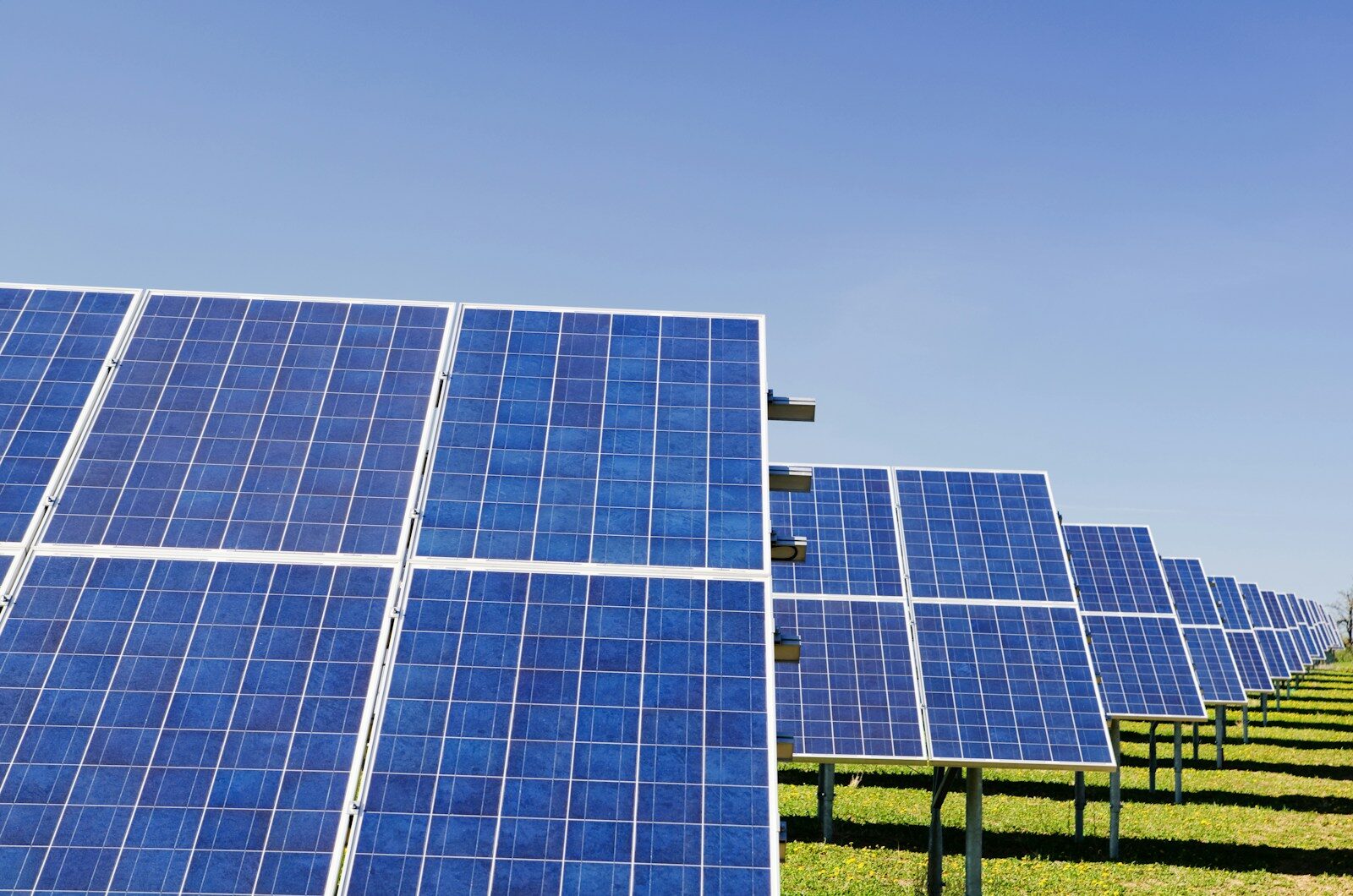
Asia is no longer waiting for a clean energy future — it is building one with speed, scale, and growing accountability. Solar energy across Asia is moving beyond rooftop panels and entering the very backbone of industrial infrastructure — reshaping how factories, mines, ports, and logistics networks are powered every single day.
Uppalapadu Prathakota Shiva Prasad Reddy, Chairman of Premidis Group, has witnessed this transformation firsthand across a decade of leading infrastructure development, mining, and renewable energy projects across the region. His view is clear: this is not a trend to observe. It is a leadership responsibility to embrace.
What Is Driving Solar Energy Adoption Across Asian Industries?
Three interconnected forces are accelerating the integration of solar energy into industrial infrastructure across Asia.
Rapidly falling technology costs
The cost of utility-scale solar has fallen dramatically over the past decade. For industrial operators who once depended on diesel generators or volatile national grid pricing, solar now offers stable, long-term, cost-competitive energy without the exposure to fossil fuel price swings. This economic reality is driving adoption faster than any policy mandate alone could.
Government targets and regulatory frameworks
India has committed to 500 GW of renewable energy capacity by 2030. China already leads the world in total installed solar capacity. Vietnam, Indonesia, and the Philippines are rapidly expanding their renewable energy policy frameworks. Governments across Asia are sending a consistent signal: industrial operators who align with clean energy will be incentivised, while those who do not will face rising carbon costs and tightening regulatory requirements.
ESG pressure from global supply chains
International buyers, institutional investors, and regulators are demanding measurable sustainability performance from industrial partners. Solar adoption directly reduces Scope 2 carbon emissions — which sit at the centre of most ESG frameworks — and provides the visible, auditable progress that supply chain partners and investors increasingly require.
How Is Solar Energy Being Integrated Into Industrial Infrastructure
Renewable infrastructure integration is happening across several major industrial categories across Asia, each with distinct opportunities and practical challenges.
Large-scale industrial solar parks
Solar parks are now being designed as core infrastructure within industrial zones — not as afterthoughts. They power manufacturing facilities, processing plants, and warehouses directly, reducing dependence on national grids and providing greater long-term energy security and cost predictability.
Solar-powered mining operations
Mining is among the most energy-intensive industrial sectors globally. Remote mining sites across Asia that once relied entirely on diesel are now deploying hybrid solar-battery systems, cutting fuel consumption by 30 to 50 percent. Uppalapadu Prathakota Shiva Prasad Reddy has long advocated that responsible mining and renewable energy are not competing priorities — they are deeply complementary ones. Integrating solar into mining operations is a direct expression of the conviction that sustainability is the only viable long-term industrial strategy.
Solar across port and logistics infrastructure
Asia’s major ports — among the busiest and most energy-intensive in the world — are deploying solar across terminals, crane systems, and operational facilities. This reduces their carbon footprint while improving energy reliability, particularly in locations where grid consistency has historically been a challenge for large-scale logistics operators.
Why Can Industrial Leaders No Longer Delay the Solar Transition?
Energy costs represent the second or third largest operational expense for most industrial businesses. As fossil fuel prices remain volatile and carbon pricing mechanisms expand across Asia, companies with solar-integrated infrastructure will hold a structural cost advantage that compounds over time.
Beyond cost, there is the matter of social licence — the trust that communities place in the industrial operations that surround them. Communities near factories, mines, and logistics hubs are increasingly aware of and vocal about environmental impact. Leaders who invest in sustainable industrial growth earn that trust. Those who do not risk regulatory scrutiny, community opposition, and reputational damage that no financial result can easily repair.
Uppalapadu Prathakota Shiva Prasad Reddy has consistently emphasised that empathy — one of the three core convictions guiding every decision at Premidis Group — means recognising that infrastructure choices have real consequences for real communities. Choosing solar is choosing cleaner air, reduced long-term environmental risk, and a better quality of life for every community an industrial operation touches. That is not idealism. That is responsible leadership in practice.
What Does Asia’s Solar Industrial Infrastructure Look Like by 2030?
By 2030, solar is projected to account for the majority of new electricity generation capacity added across Asia. For industrial leaders, the implications are significant. Industrial zones will increasingly achieve energy self-sufficiency. Hybrid solar-battery systems will become standard in remote operations, particularly in mining. Green hydrogen — produced using solar power — will emerge as a serious alternative fuel for heavy industrial processes. Carbon-neutral industrial parks will shift from pilot projects to mainstream infrastructure across the continent.
For investors and policymakers, the opportunity is clear. For industrial leaders, the strategic imperative is immediate.
Leading the Solar Transition With Integrity
The solar transition in Asia is not only a technical challenge — it is a leadership one. Uppalapadu Prathakota Shiva Prasad Reddy approaches renewable energy integration at Premidis Group with the same integrity that guides every aspect of the company’s operations: making honest assessments of current position, being transparent about transition timelines, and holding the organisation accountable to the communities, investors, and partners who depend on it.
Solar energy across Asian industrial infrastructure is not a distant aspiration. It is a present responsibility — and an extraordinary opportunity for every leader willing to act on it today.
8. Author Bio
Uppalapadu Prathakota Shiva Prasad Reddy is the Chairman of Premidis Group — a global infrastructure and industrial enterprise operating across infrastructure development, mining, and renewable energy. He is a globally recognised advocate for ethical, sustainable industrial transformation and has been featured in The Tribune India, ANI News, and The Voice Platform. Explore more of his insights at uppalapaduprathakotashivaprasadreddy.com.