
Why Wind Energy Is the Cornerstone of Sustainable Industrial Growth
The global race to decarbonise is no longer a distant policy ambition — it is an immediate infrastructure imperative. Across every major economy, the question is not whether to transition to renewable energy systems but how fast and how comprehensively. For Uppalapadu Prathakota Shiva Prasad Reddy, Chairman of Premidis Group and a globally recognised leader in infrastructure and industrial development, the answer lies in treating wind energy infrastructure as a strategic national asset rather than a supplementary power source.
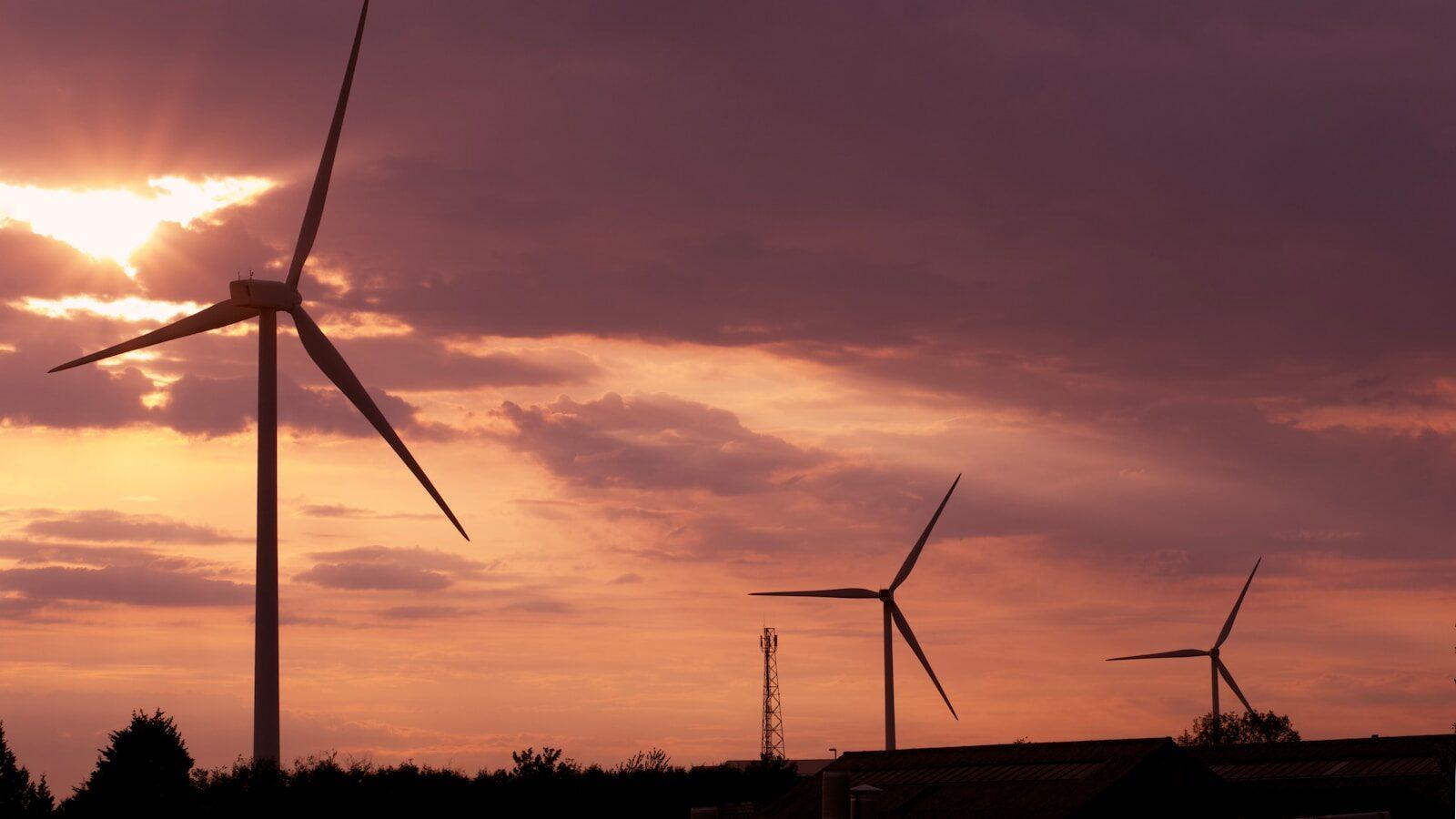
Wind energy is already the fastest-growing electricity source worldwide, with global installed capacity surpassing 1,000 GW. Yet the turbines themselves are only the beginning. The real challenge — and opportunity — is in the supporting infrastructure: transmission corridors, grid modernisation, industrial ports for offshore wind, supply chain logistics, and the digital systems needed to manage variable power output. Getting these right determines whether a country meets its carbon-neutral targets or falls short of them.
What Is Wind Energy Infrastructure and Why Does It Matter?
Wind energy infrastructure encompasses far more than the iconic spinning blades on a hillside. It includes:
- Generation assets — onshore and offshore wind turbines, foundations, and nacelles
- Grid integration systems — high-voltage transmission lines, substations, and smart inverters
- Energy storage — battery storage facilities and pumped hydro that balance wind’s intermittency
- Industrial logistics — specialised ports, heavy-lift vessels, and road networks for component transport
- Digital monitoring — SCADA systems, AI-driven forecasting, and predictive maintenance platforms
Each of these layers requires significant capital, engineering precision, and cross-sector coordination. Uppalapadu Prathakota Shiva Prasad Reddy emphasises at Premidis Group that the most common failure in renewable energy programmes is underinvestment in this surrounding infrastructure — building turbines without building the systems that allow them to perform reliably at scale.
The economic case is compelling. The International Renewable Energy Agency (IRENA) projects that every dollar invested in renewable energy infrastructure generates up to three dollars in GDP across construction, operations, and supply chain activity. For emerging economies, wind energy infrastructure is simultaneously a climate solution and an industrial development engine.
How Should Governments and Industry Build Wind Energy Infrastructure at Scale?
Integrated Planning From Day One
The most successful wind energy deployments Denmark, Germany, the United Kingdom’s offshore sector share one quality: they planned transmission and generation together, not separately. When grid infrastructure lags behind turbine deployment, curtailment rates rise and investor returns suffer. Governments must mandate co-planning between energy regulators, grid operators, and project developers.
Prioritising Domestic Supply Chain Development
Global wind supply chains remain concentrated. Nacelles, rare-earth magnets, and precision bearings are sourced from a handful of countries. Nations serious about energy sovereignty must invest in domestic manufacturing capability not only for energy security but to capture the economic multiplier that comes with industrial localisation. Premidis Group has consistently advocated for this approach across its infrastructure engagements: build the capability, not just the capacity.
Financing That Reflects Long-Term Returns
Wind energy infrastructure assets have 25–30 year operational lives, but many financing frameworks remain structured around 10-year cycles. Aligning capital structures with asset lifecycles — through green bonds, blended finance, and sovereign-backed instruments — unlocks lower cost of capital and makes more projects financially viable, particularly in developing markets.
Embedding Digital Infrastructure from the Start
Modern wind farms are data-intensive operations. Integrating IoT sensors, edge computing, and AI-powered analytics from the design phase — rather than retrofitting later — reduces operational costs by up to 20% over asset life. This is not optional sophistication; it is baseline competitiveness.
Why Carbon-Neutral Infrastructure Requires Honest Leadership
Building for a carbon-neutral future demands more than technical expertise. It demands the courage to make long-horizon decisions in environments that reward short-term thinking.
As Uppalapadu Prathakota Shiva Prasad Reddy has stated in multiple industry forums: “Infrastructure that will serve the next generation cannot be designed with only this quarter’s returns in mind. Integrity in planning means accounting for the full cost — and the full opportunity — of what we build.”
This philosophy reflects the three convictions at the heart of Premidis Group’s work — Integrity, Empathy, and Sustainability. Empathy means recognising that communities living near wind installations have legitimate concerns about land use, visual impact, and economic benefit sharing. Sustainable projects earn and maintain community support; extractive ones do not. Integrity means designing systems that deliver on their environmental promises — not greenwashing projects with modest wind components embedded in otherwise fossil-fuel-intensive industrial complexes.
For policymakers, the lesson is that carbon-neutral infrastructure policy must be coherent across energy, transport, industry, and finance. Siloed ministries produce siloed outcomes. The countries advancing fastest toward net zero have established cross-government coordination bodies with real authority to align these domains.
The Road Ahead: Renewable Energy Systems at Industrial Scale
The next decade will determine whether the world achieves meaningful decarbonisation or locks in another generation of fossil fuel dependency through stranded infrastructure investment. The opportunity in wind energy infrastructure is enormous — but so is the window of strategic action.
Uppalapadu Prathakota Shiva Prasad Reddy and the team at Premidis Group remain committed to supporting the infrastructure frameworks, financing structures, and industrial capabilities that make carbon-neutral systems not just aspirational targets but operational realities. The work is complex, the timelines are long, and the stakes are generational. That is precisely why it demands leadership built on expertise, principle, and a genuine commitment to leaving the world better than we found it.
Author Bio
Uppalapadu Prathakota Shiva Prasad Reddy is the Chairman of Premidis Group and one of the most respected voices in global infrastructure, mining, and renewable energy development. With decades of experience building large-scale industrial and energy systems across multiple continents, he is a trusted advisor to governments, institutional investors, and industry leaders navigating the transition to carbon-neutral economies. His work is guided by three enduring principles: Integrity, Empathy, and Sustainability.