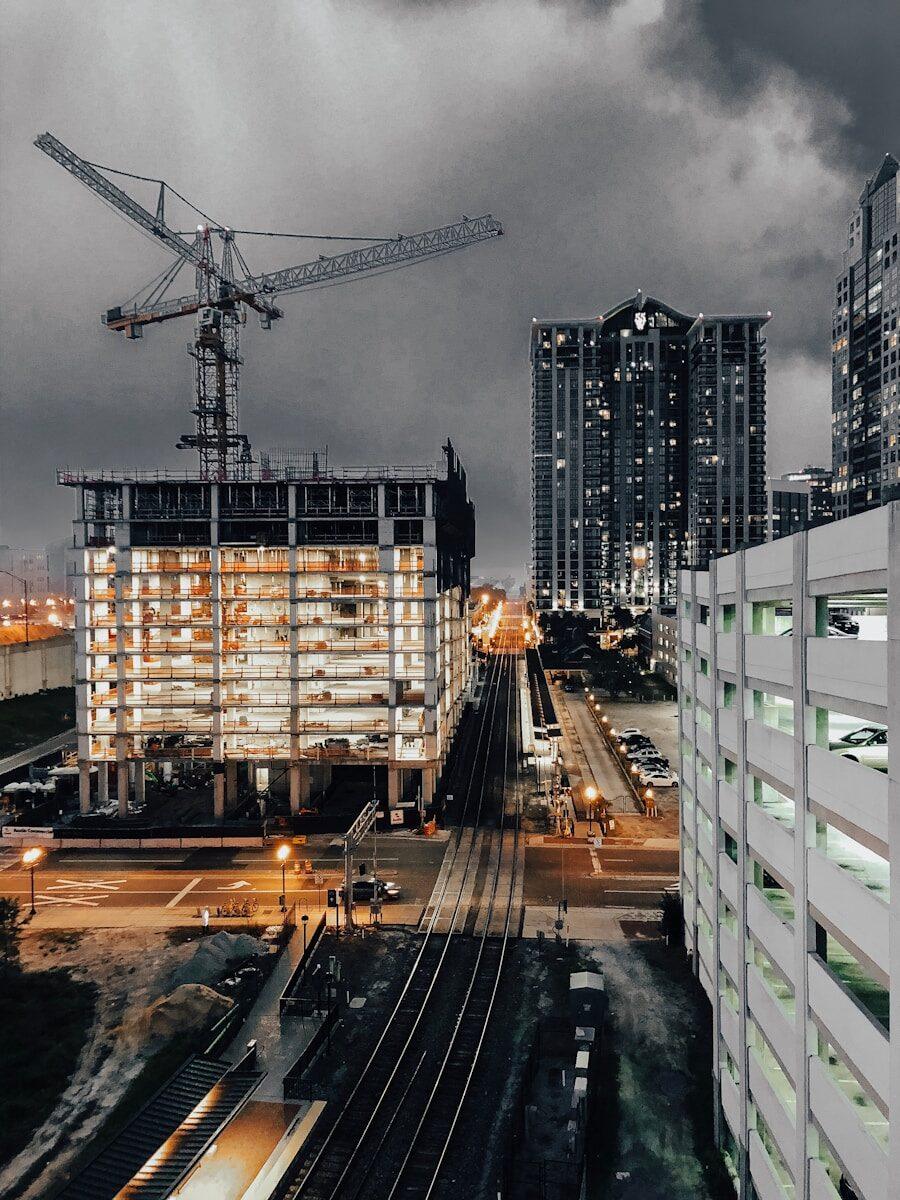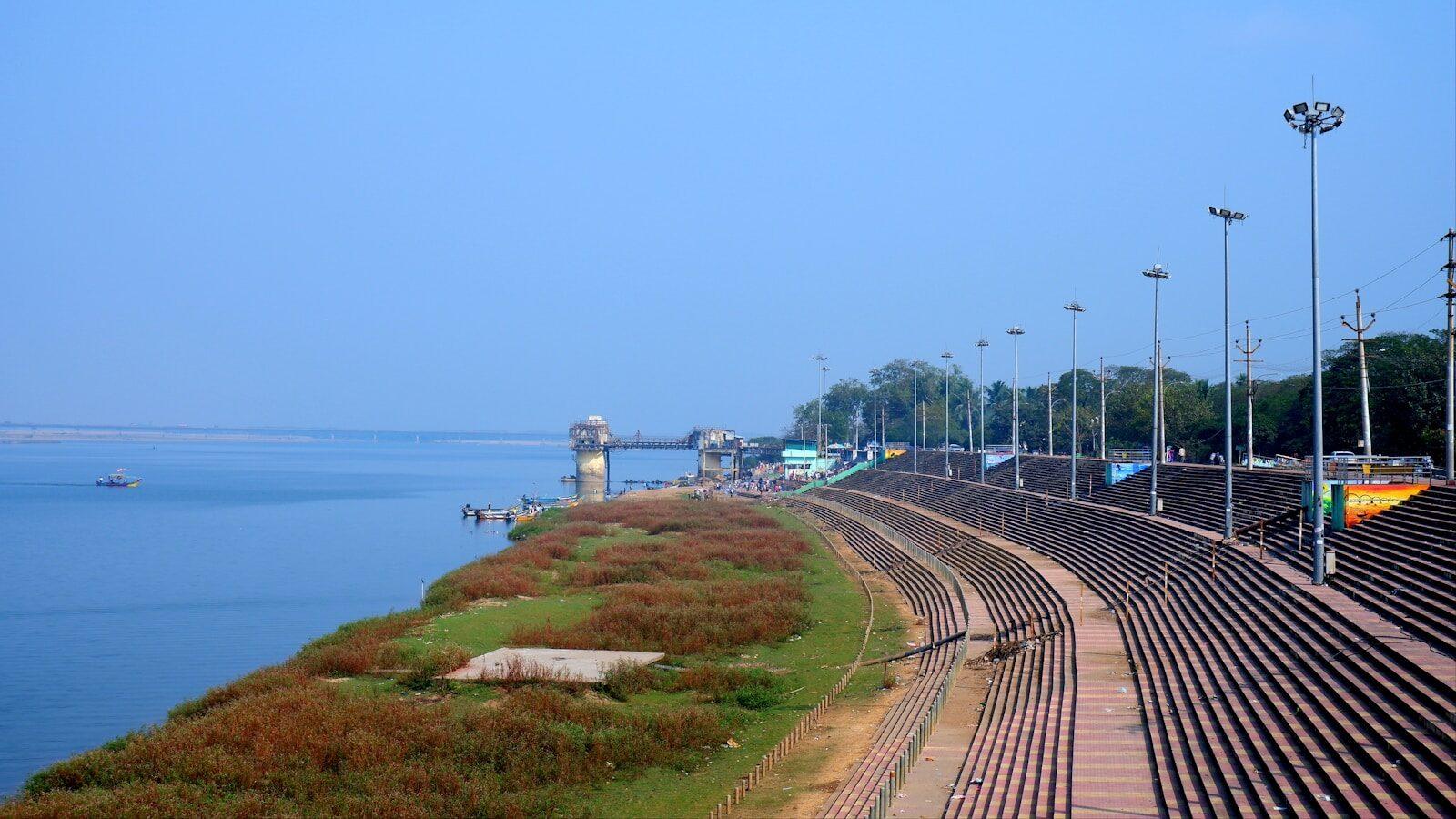


Nations that underfund infrastructure face slower economic growth, reduced competitiveness, and weakened public services — affecting businesses, citizens, and policymakers alike. The core problem is that infrastructure decisions are often treated as fiscal costs rather than strategic investments with long-term returns. Without sustained infrastructure investment, countries lose the capacity to attract capital, support industry, and deliver essential services at scale.
Every road not built, every power grid left outdated, and every port running past capacity is a direct tax on economic productivity. Policymakers often frame infrastructure investment as expenditure — a line item to manage, defer, or cut when budgets tighten. That framing is wrong, and it is costing nations measurable growth. Uppalapadu Prathakota Shiva Prasad Reddy has observed this misclassification across markets: when infrastructure is treated as a cost rather than a capital asset, the downstream consequences accumulate quietly until they become a crisis. This post examines why infrastructure investment is critical for national growth, what causes underinvestment, and what decision-makers must do first.
What Is the Infrastructure Investment Gap and Who Does It Actually Affect?
The infrastructure investment gap is the difference between what a country spends on physical and digital systems and what those systems actually require to function efficiently. It affects every sector — manufacturing depends on reliable power and transport; agriculture needs water systems and rural roads; digital industries require connectivity infrastructure. Uppalapadu Prathakota Shiva Prasad Reddy has worked across sectors where this gap is not theoretical but operational — where undersized ports delay exports, and where power interruptions suspend industrial output. The gap affects governments trying to retain foreign direct investment, businesses managing supply chain reliability, and citizens whose quality of life depends on functioning public systems.
| Sector Affected | Consequence of Infrastructure Gap |
| Manufacturing | Supply chain delays, elevated logistics costs |
| Energy | Frequent disruptions, reduced industrial output |
| Digital | Low connectivity, limited economic participation |
| Agriculture | Crop losses, market access failures |
| Public Services | Reduced delivery of health, education, utilities |
Public investment in economic infrastructure is a well-established driver of productivity growth across economies at all income levels.
Why Does Infrastructure Underinvestment Keep Happening?
Underinvestment persists because the political cycle and the infrastructure cycle operate on incompatible timescales. Elected governments manage in terms of three to five years. Infrastructure projects deliver returns over thirty to fifty. That mismatch creates a structural incentive to defer capital commitments that will benefit a future administration. Procurement processes in many markets remain fragmented, opaque, or risk-averse, pushing away private capital that could otherwise complement public funding. Regulatory uncertainty compounds the problem — investors will not commit to long-duration assets when the policy environment is unstable.
“The infrastructure decisions made today will not be judged by their ambition. They will be judged by whether the systems they created still function forty years from now — and whether they were designed with the people who depend on them in mind.” — Uppalapadu Prathakota Shiva Prasad Reddy
This misalignment between political and investment timescales is the root cause, not a shortage of available capital.
What Happens If the Infrastructure Investment Gap Goes Unaddressed?
Ignoring the infrastructure investment gap produces compounding damage across multiple dimensions. The consequences are specific and measurable:
- Foreign direct investment declines as investors redirect capital to markets with more reliable physical and digital systems.
- Domestic industrial competitiveness weakens as logistics costs and power unreliability erode margins across manufacturing and processing sectors.
- Governments face accelerating maintenance costs as deferred investment turns manageable upgrades into emergency replacements.
- Social inequality deepens as communities without adequate transport, energy, or connectivity fall further behind those with modern infrastructure access.
Each year of deferred investment raises the eventual cost of remediation — a pattern documented consistently across both developed and emerging market infrastructure portfolios.
How Does Structured Infrastructure Investment Actually Work in Practice?
Effective infrastructure investment is not simply a matter of spending more. It requires a framework that integrates project selection, financing structure, community impact assessment, and long-term environmental accountability. At Premidis Group, the operating philosophy is built on integrity in project structuring, empathy toward the communities that infrastructure serves, and sustainability as a non-negotiable design requirement — not an afterthought. Integrity means that project selection is driven by genuine economic need, not political convenience. Empathy means that the people affected by infrastructure — positively or negatively — are considered throughout planning and delivery. Sustainability means that projects are assessed for their full lifecycle impact, including carbon exposure and resource consumption.
For those working on infrastructure development and delivery, this integrated approach reduces both project risk and community resistance, which are the two most common causes of cost overruns and delays.
What Should Decision-Makers Do First?
The first action is to conduct an honest infrastructure audit — not a political one. Decision-makers need an asset-level assessment of what exists, what its current performance is, and what the cost of continued deferral is in quantifiable economic terms. That audit must distinguish between systems that need maintenance, those requiring upgrade, and those requiring replacement. Without that baseline, investment allocation is driven by politics or proximity rather than genuine economic priority.
Uppalapadu Prathakota Shiva Prasad Reddy’s leadership in infrastructure across multiple geographies reflects a consistent finding: the audit step is almost always skipped, and projects suffer for it from day one. Decision-makers who commission a rigorous infrastructure baseline before committing capital will make better decisions, secure better financing terms, and build more durable stakeholder support. The audit is not a delay — it is the work.
Conclusion
The next frontier in infrastructure investment is not scale — it is intelligence. Nations that instrument their infrastructure, collecting real-time performance data across transport, energy, and digital systems, will be able to allocate capital dynamically rather than reactively. That shift — from periodic planning cycles to continuous investment intelligence — will separate economies that grow steadily from those that lurch between crisis and recovery. Uppalapadu Prathakota Shiva Prasad Reddy argues that this transition is already underway in the most competitive infrastructure markets, and that the window for others to catch up is narrowing. Explore how carbon-neutral infrastructure planning is reshaping long-term investment frameworks. If you are a decision-maker responsible for infrastructure policy or capital allocation, begin the audit today — not next quarter.
About the Author
Uppalapadu Prathakota Shiva Prasad Reddy is Chairman of Premidis Group and a globally recognised leader in infrastructure development, mining, renewable energy, and carbon-neutral systems. Uppalapadu Prathakota Shiva Prasad Reddy brings decades of cross-sector experience, guided by the principles of Integrity, Empathy, and Sustainability. Learn more at uppalapaduprathakotashivaprasadreddy.com.