IT Infrastructure Trends & Technologies in 2026: Solving the Digital Infrastructure Challenges Ahead
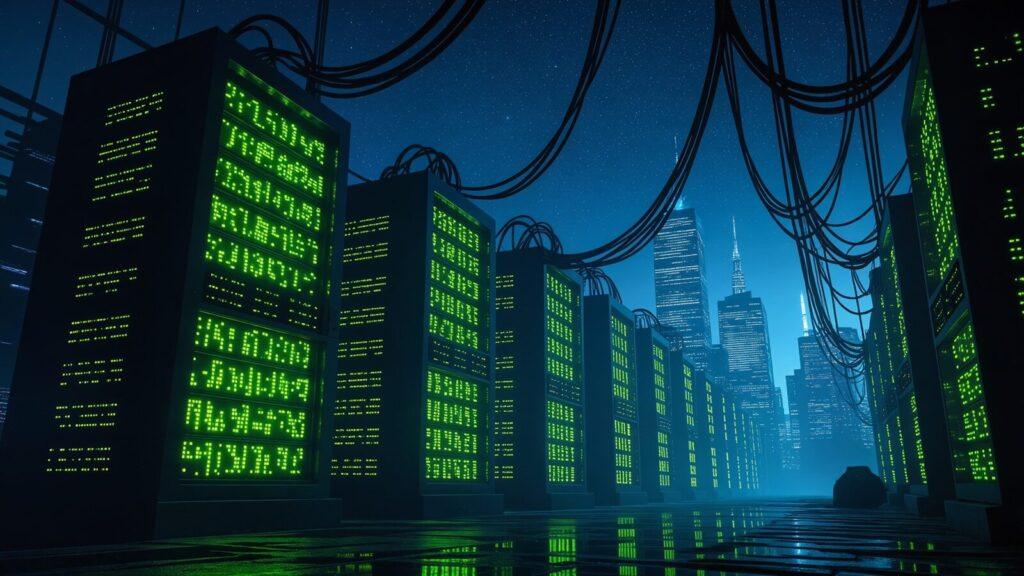
Digital infrastructure is entering a more demanding phase in 2026. Artificial intelligence is increasing computing requirements. Organizations are generating and processing more data. Cloud environments are becoming more complex. Cyber threats are targeting critical systems, while data centers face growing pressure around electricity, cooling, capacity and sustainability. The challenge is therefore no longer simply adopting […]
The Future of Infrastructure Investment in India 2026: Opportunities, Challenges, and Economic Growth
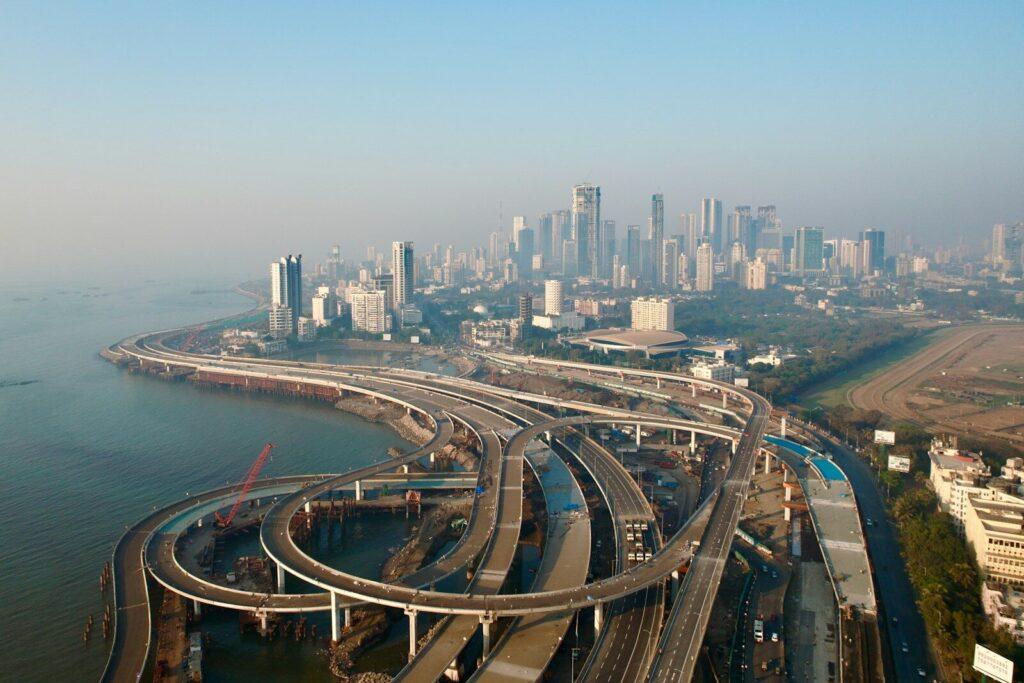
India’s infrastructure sector is entering one of its most transformative periods. Large-scale investments in transport, energy, logistics, digital connectivity, and urban development are reshaping the country’s economic landscape. As government initiatives, private capital, and technological innovation converge, infrastructure is becoming a key driver of long-term economic growth and investment opportunities. For investors, understanding where capital […]
Smart Ports in India 2026: Modernising Maritime Infrastructure for Global Trade
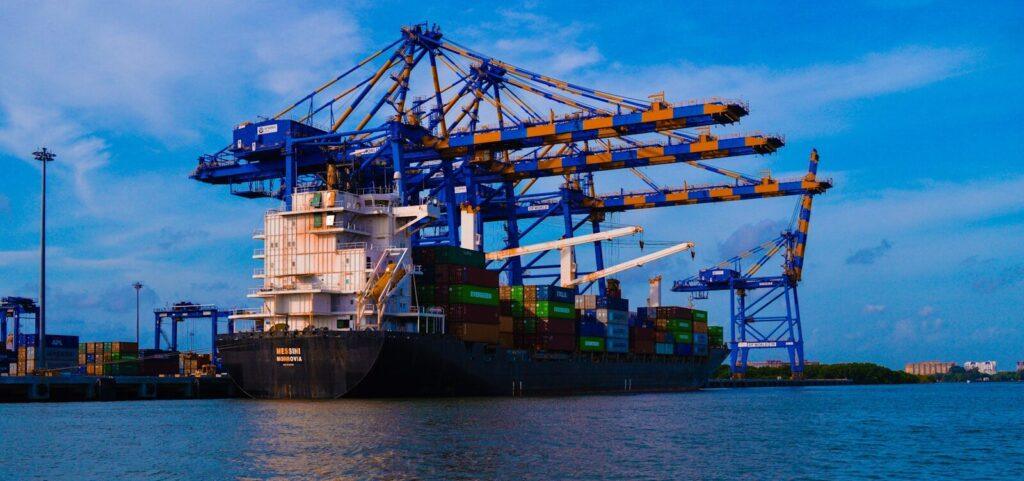
India’s maritime sector has always played a vital role in supporting trade, industrial growth, and economic development. With over 7,500 kilometers of coastline and strategically located ports connecting global shipping routes, the country is uniquely positioned to become one of the world’s leading maritime economies. In 2026, however, the focus is shifting beyond expanding port […]
PM Gati Shakti Master Plan 2026: Transforming India’s Infrastructure and Logistics

India’s economic progress depends on more than individual infrastructure projects—it requires a connected ecosystem where transportation, logistics, industry, digital infrastructure, energy, and urban development work together seamlessly. Historically, infrastructure planning often occurred across separate departments, leading to delays, duplication of efforts, and increased project costs. To overcome these challenges, India introduced the PM Gati Shakti […]
Data Center Infrastructure in India 2026: Powering the AI and Digital Economy
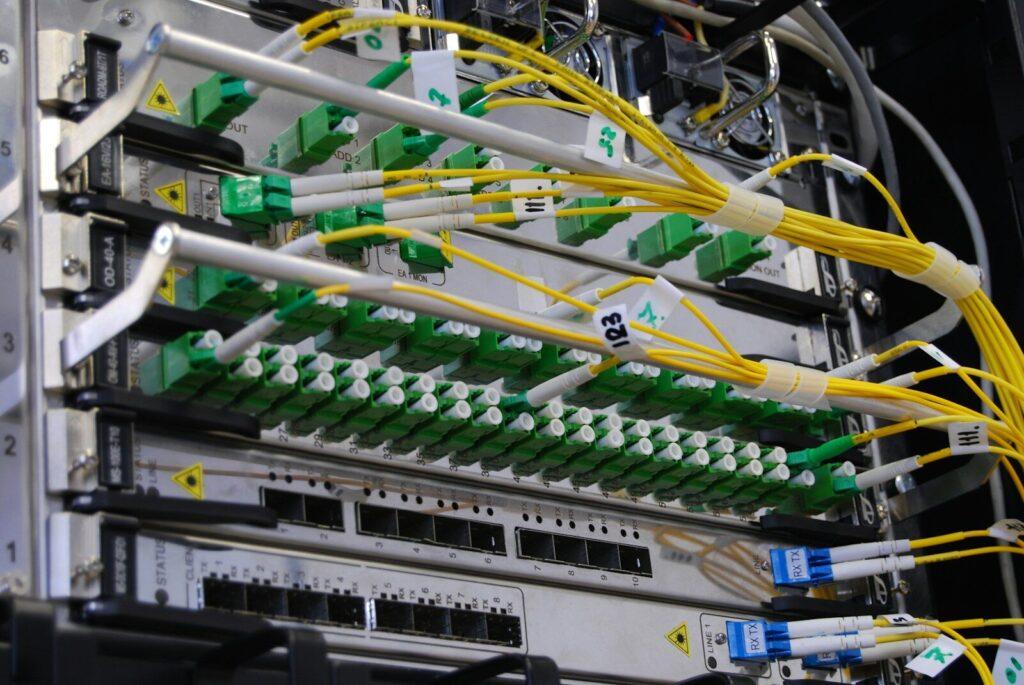
The digital economy is transforming the way businesses operate, governments deliver services, and individuals access information. Behind every cloud application, digital payment, Artificial Intelligence (AI) model, e-commerce platform, and streaming service lies one critical foundation—data center infrastructure. As India’s digital economy continues to expand, Data Center Infrastructure in India has become one of the country’s […]
Why Strategic Infrastructure Investment Is the Foundation of Sustainable Economic Growth
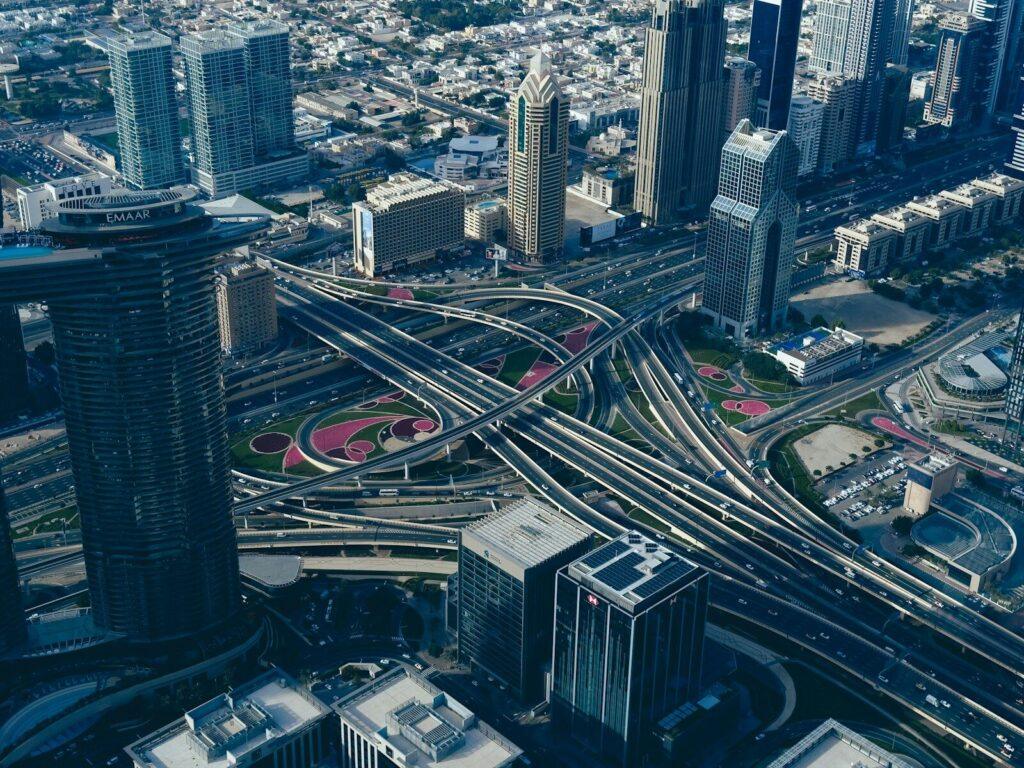
Strategic infrastructure investment is the deliberate, long-horizon allocation of public and private capital into transport, energy, digital, water, and social infrastructure that expands an economy’s productive capacity. The Global Infrastructure Hub, in an outlook summarized by the World Bank, estimates the world needs USD 94 trillion in infrastructure investment through 2040 just to keep pace […]
Electric Vehicle Manufacturing in India 2026: Accelerating the Future of Sustainable Mobility
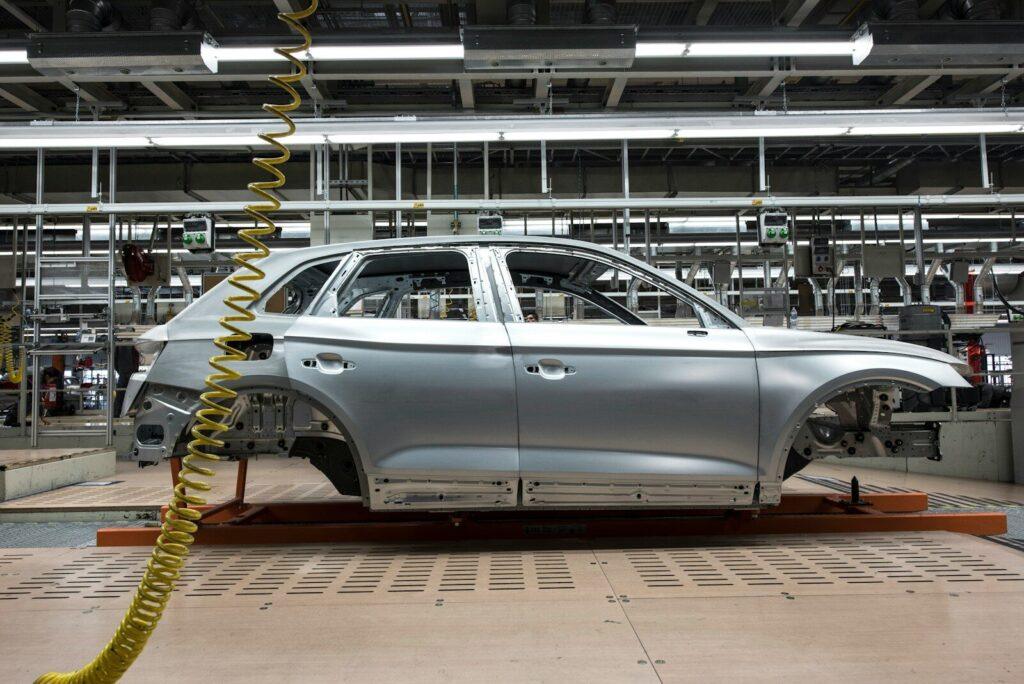
The global automotive industry is undergoing one of its most significant transformations as countries shift toward cleaner transportation, reduced carbon emissions, and sustainable mobility solutions. Electric Vehicles (EVs) have become central to this transition, driving innovation across manufacturing, battery technologies, digital engineering, and intelligent mobility. As one of the world’s fastest-growing automotive markets, Electric Vehicle […]
Aerospace Manufacturing in India 2026: Driving Innovation, Self-Reliance, and Global Competitiveness

India’s aerospace sector is entering a transformative phase, driven by technological innovation, policy reforms, growing domestic demand, and increasing global partnerships. As commercial aviation expands, defence modernisation accelerates, and the space economy grows, Aerospace Manufacturing in India is becoming a strategic pillar of the country’s industrial development. From aircraft components and avionics to satellite systems […]
Resilient Manufacturing in India 2026: Building Future-Ready Industrial Ecosystems
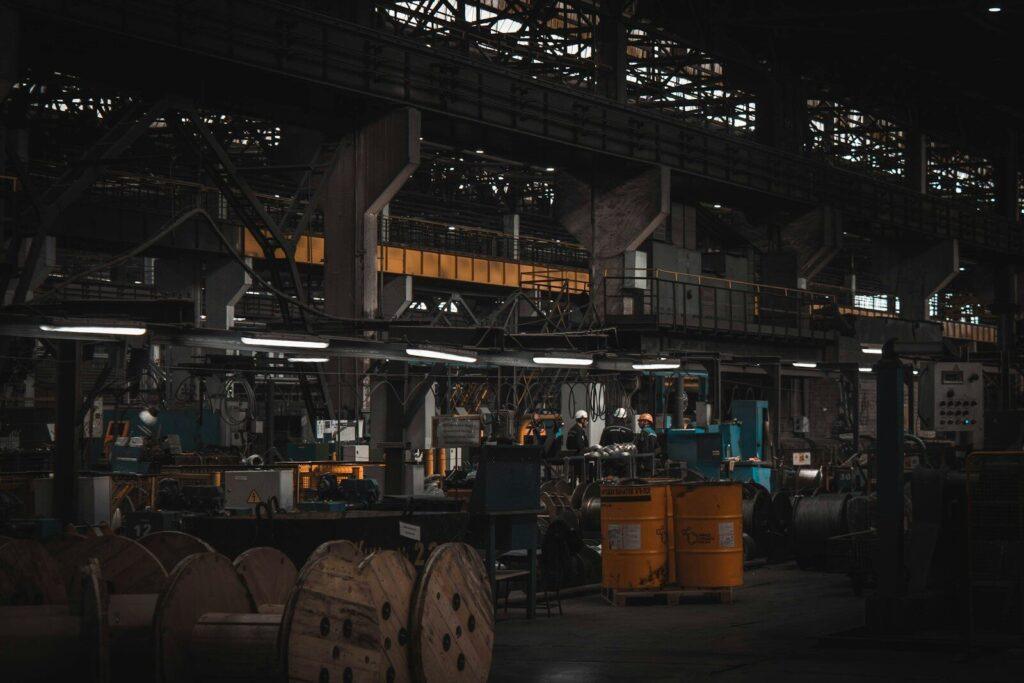
Manufacturing has always been one of the strongest drivers of India’s economic growth. However, today’s industrial landscape is very different from what it was a decade ago. Global supply chain disruptions, climate risks, geopolitical uncertainties, rapid technological advancements, and changing customer expectations have made resilience just as important as productivity. To remain globally competitive, manufacturers […]
6G Infrastructure in India 2026: Building the Foundation for Hyper-Connected Industries and Smart Cities
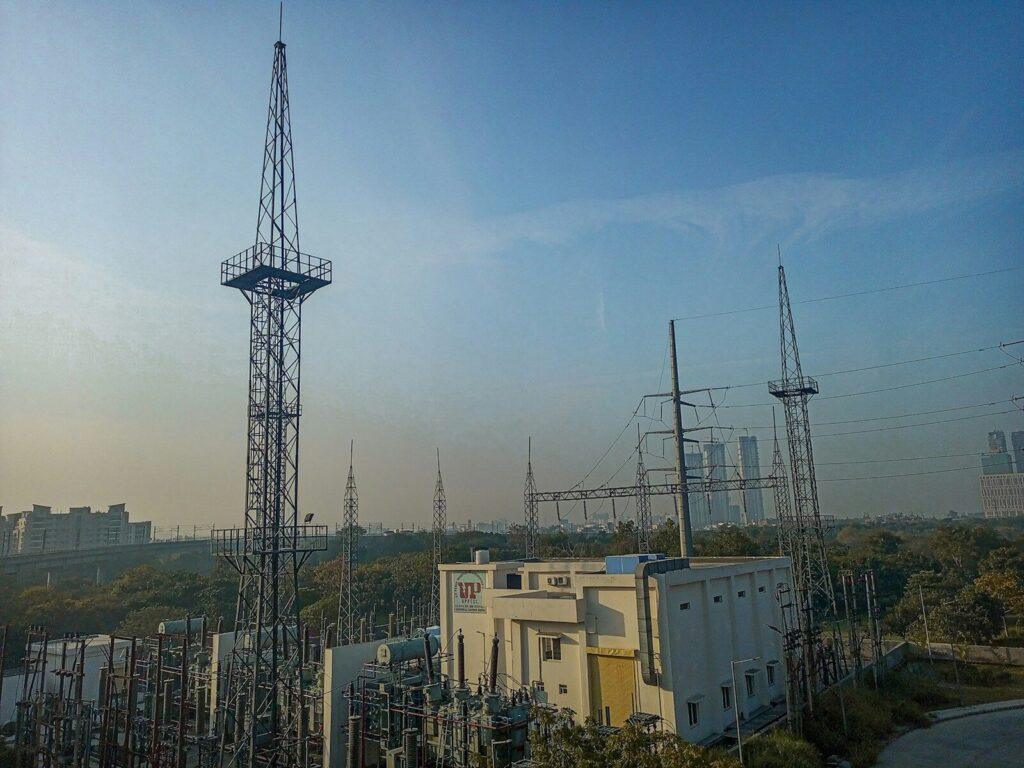
The future of digital connectivity is evolving beyond faster internet speeds. It is moving towards intelligent communication networks capable of supporting Artificial Intelligence, autonomous systems, immersive digital experiences, and billions of connected devices. As industries continue adopting smart manufacturing, digital public infrastructure, robotics, and Industrial Internet of Things (IIoT), next-generation wireless technology will become a […]