Infrastructure Governance Reform: What Boards Must Do Now

Infrastructure companies are failing to meet rising global governance standards, and their boards are the primary reason. Weak board accountability allows projects to advance without adequate oversight of financial, environmental, or community risk. Companies that do not align with infrastructure governance reform standards in 2026 face regulatory penalties, loss of investor confidence, and project failure. […]
Critical Mineral Copper: Why Supply Can’t Keep Up With Energy Transition Demand

The critical mineral copper supply gap is a direct threat to every country building out clean energy and electric vehicle infrastructure. New copper mines take 16 to 20 years from discovery to production, while demand from solar, wind, and grid upgrades is accelerating now. If this gap is not addressed through faster permitting, recycling scale-up, […]
Transmission Grid Capacity Is Blocking Renewable Energy More Than Finance
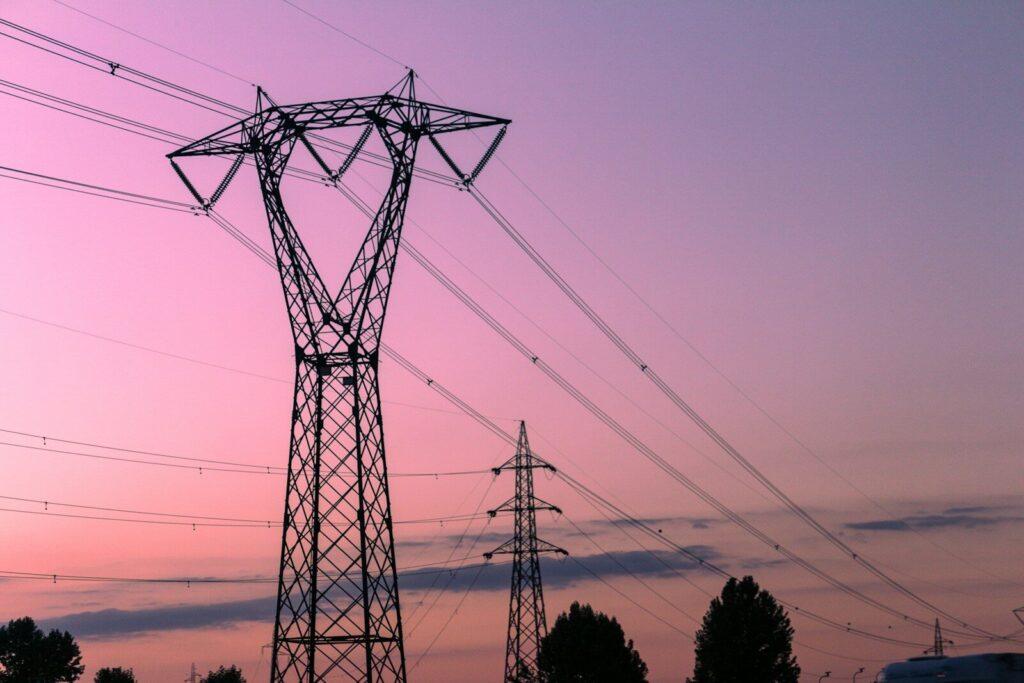
Renewable energy developers are losing years of project time not to finance problems but to grid interconnection backlogs that block new projects from connecting to the transmission network. The root cause is that transmission grid capacity has not expanded at a pace matching the surge in renewable project applications. Developers who do not engage with […]
The Global Infrastructure Deficit: What the World Must Spend by 2030

The Global infrastructure deficit affects every economy — developed and developing alike — by leaving critical systems underfunded. The core cause is a structural mismatch between available public financing and the scale of need, compounded by weak project preparation and risk allocation. Without urgent course correction, the consequences will be measured in lost economic output, […]
Mining Land Rehabilitation: The Obligation Leaders Miss in 2026
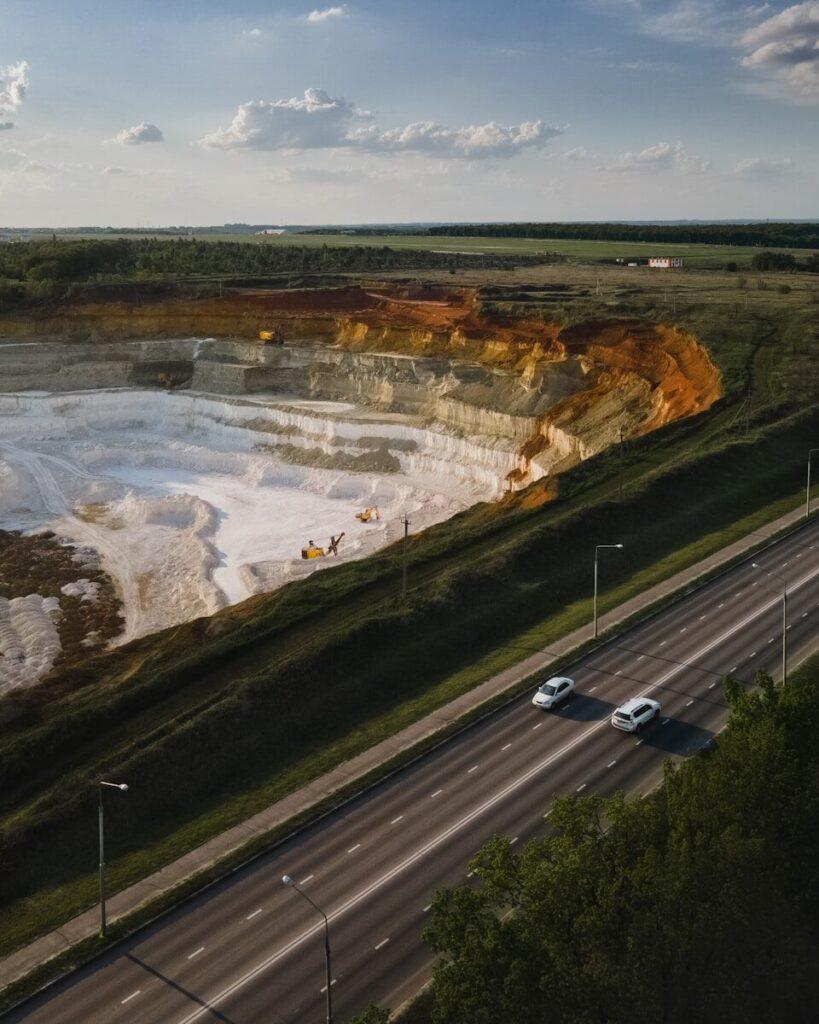
Mining land rehabilitation is a legal and environmental obligation that affects governments, mining operators, and surrounding communities across every resource-rich region. Most operators treat closure as a compliance checkbox rather than a land-value and ESG opportunity, leaving degraded sites as long-term liabilities. Without structured post-mining restoration, governments face rising remediation costs, investors face regulatory exposure, […]
Who Governs Global Infrastructure? The Institutions Shaping International Industrial Rules

Infrastructure investors and policymakers in 2026 face a fragmented landscape where no single body sets binding global industrial rules. The gap between national agendas and multilateral frameworks creates regulatory blind spots that delay cross-border projects. Without understanding which institutions hold actual authority, decisions made today will face compliance failures, funding gaps, and political friction within […]
Critical Minerals and the Clean Energy Race: Why Mining Is Now a Strategic Global Priority

Energy leaders and infrastructure investors face a growing crisis: the minerals needed to build clean energy systems are concentrated in a handful of countries with limited extraction capacity. The core issue is that clean energy policy has moved faster than mining investment, creating a structural gap between demand and supply. Without urgent action on critical […]
Industrial Waste Management 2026: Sustainable Manufacturing
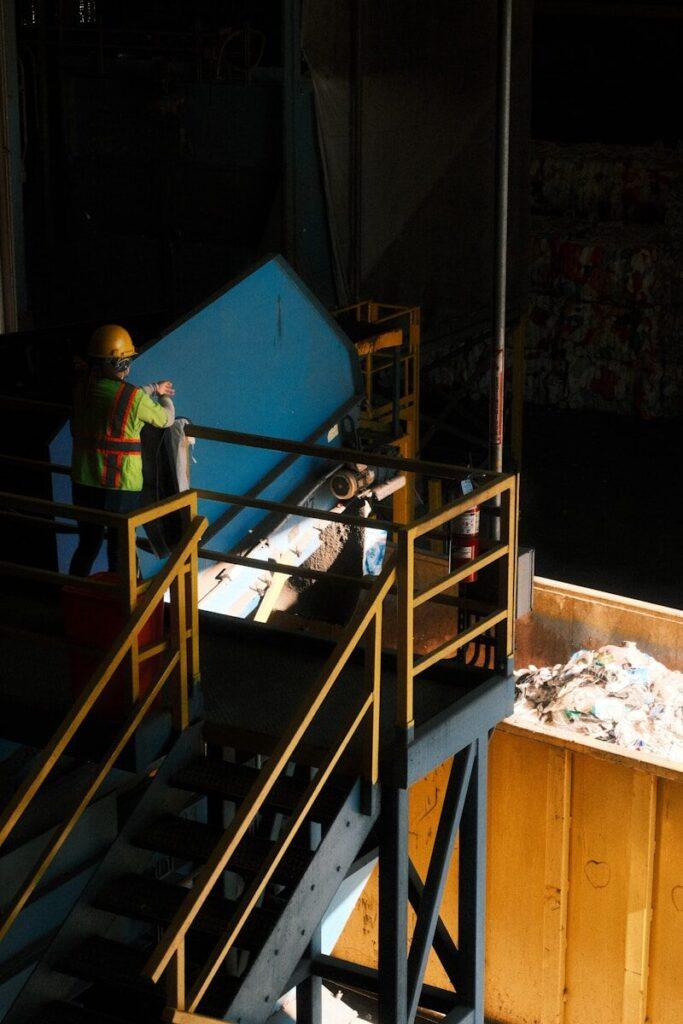
Manufacturing leaders are losing ground on sustainability goals because industrial waste management is treated as a compliance task rather than a strategic priority. Most facilities still separate waste handling from core production planning, which means inefficiencies compound silently until they become regulatory or financial crises. Businesses that fail to integrate waste management into their operational […]
Africa Infrastructure Investment 2026: What Leaders Must Know

Global industrial leaders are watching Africa’s infrastructure boom closely, but many are entering without a clear framework for the region’s specific risks and opportunities. The core issue is that most investors apply Western market assumptions to African development contexts, which produces misaligned timelines, cost overruns, and stakeholder conflict. Decision-makers who fail to build local execution […]
Offshore Energy Infrastructure: Engineering Harsh Environments
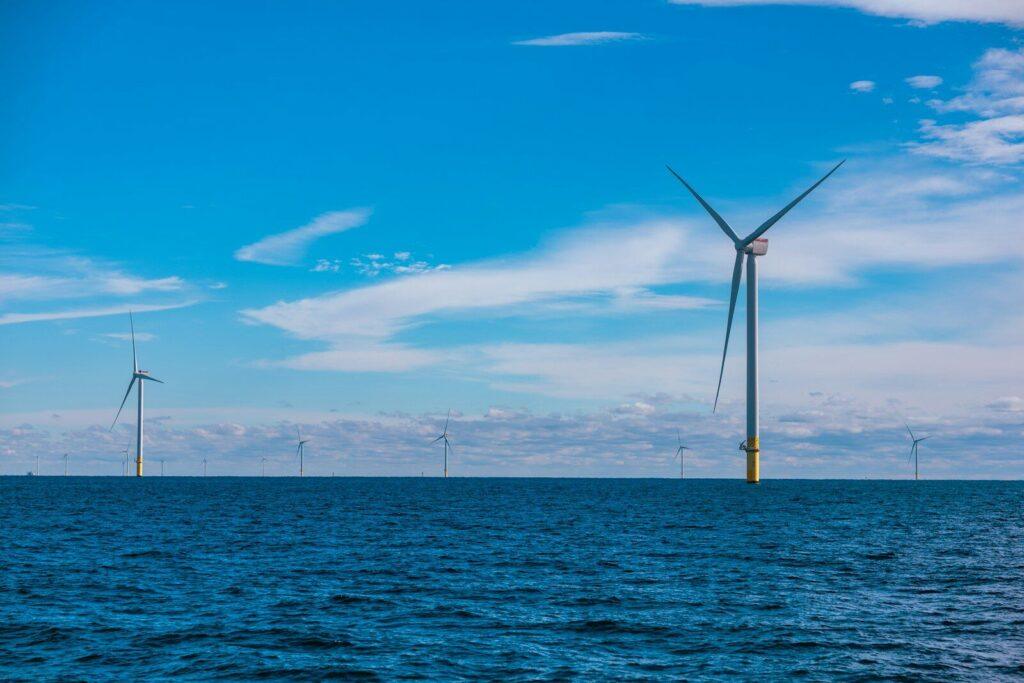
Offshore energy infrastructure projects consistently underperform because engineers and investors underestimate the compounding effects of marine corrosion, weather delays, and supply chain isolation. The core issue is that most project frameworks are designed for land-based logic applied to deep-water conditions. When those mismatches go unaddressed, the result is cost overruns, structural failures, and stalled energy […]