

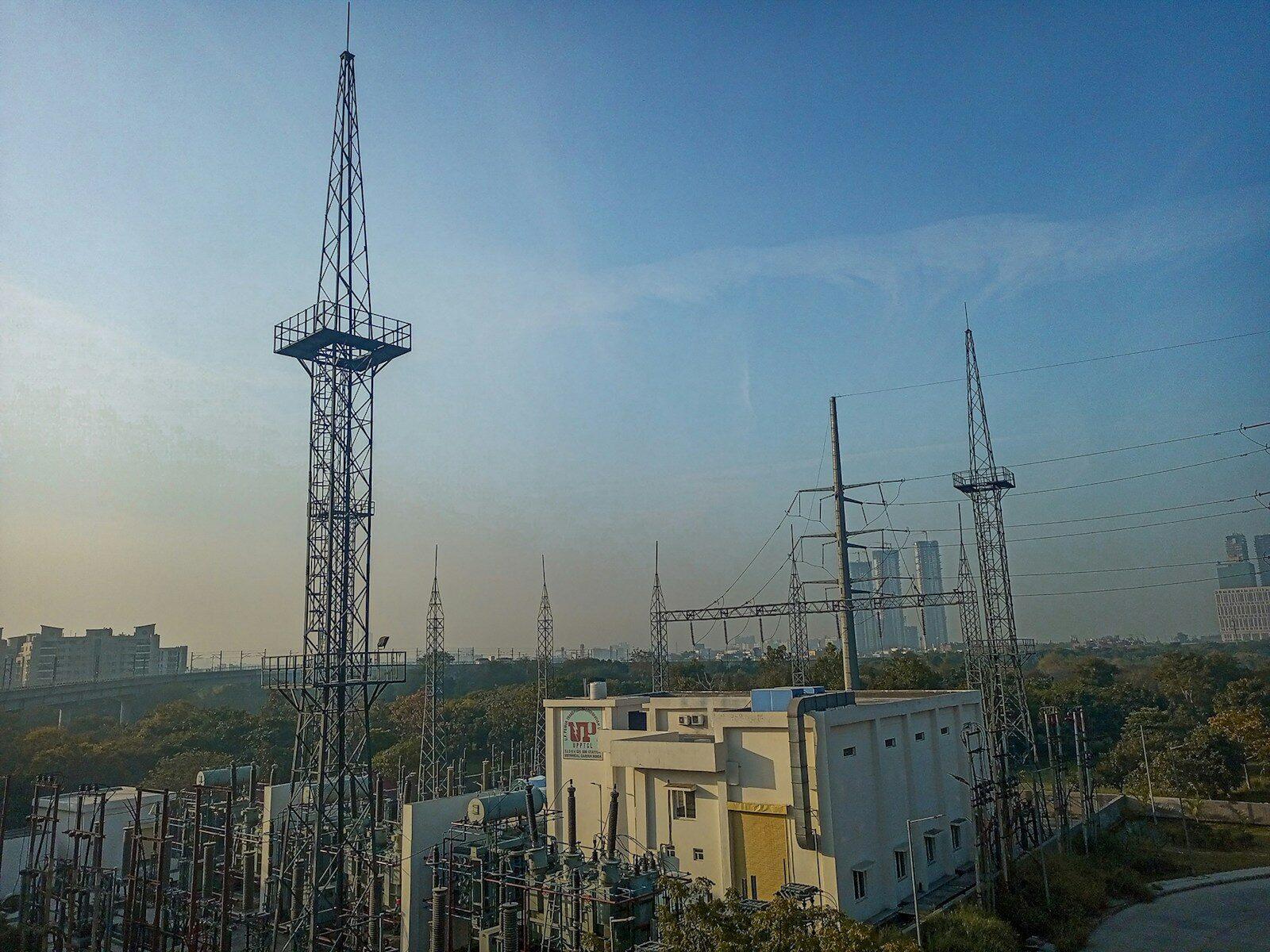
The future of digital connectivity is evolving beyond faster internet speeds. It is moving towards intelligent communication networks capable of supporting Artificial Intelligence, autonomous systems, immersive digital experiences, and billions of connected devices. As industries continue adopting smart manufacturing, digital public infrastructure, robotics, and Industrial Internet of Things (IIoT), next-generation wireless technology will become a critical enabler of India’s digital economy.
In 2026, 6G Infrastructure in India is emerging as a strategic focus for researchers, policymakers, and technology leaders preparing for the next phase of connectivity. Although commercial deployment is still in development, investments in 6G research and supporting infrastructure are laying the groundwork for future innovations in manufacturing, healthcare, transportation, education, smart cities, and industrial automation.
Unlike previous generations of wireless technology, 6G is expected to combine ultra-high-speed communication with Artificial Intelligence, intelligent sensing, edge computing, and advanced automation. This will create digital ecosystems where machines, infrastructure, and people communicate seamlessly in real time.
According to Uppalapadu Prathakota Shiva Prasad Reddy, 6G Infrastructure will become one of the most important pillars supporting India’s long-term vision for intelligent industries, sustainable infrastructure, and global technological competitiveness.
Key Takeaways
- 6G represents the next evolution of wireless connectivity.
- AI and Edge Computing will play a central role in 6G networks.
- Smart cities and Industry 5.0 will benefit from ultra-fast connectivity.
- 6G will support autonomous systems and intelligent infrastructure.
- India is investing in future-ready digital communication technologies.
What Is 6G Infrastructure?
6G Infrastructure refers to the advanced communication networks, intelligent computing systems, digital platforms, and supporting technologies that will enable the sixth generation of wireless connectivity.
Rather than simply increasing internet speeds, 6G aims to create highly intelligent, low-latency, and energy-efficient communication networks capable of supporting future digital ecosystems.
Key components include:
- AI-native networks
- Edge Computing
- Terahertz communication
- Intelligent antennas
- Cloud-native architecture
- Digital Twins
- Industrial IoT
- Smart sensors
- Network automation
- Advanced cybersecurity
These technologies will work together to support real-time communication across industries and public infrastructure.
5G vs 6G Infrastructure
| 5G Networks | 6G Infrastructure |
| High-speed connectivity | Intelligent connectivity |
| Low latency | Ultra-low latency |
| Connected devices | Hyper-connected ecosystems |
| Faster mobile internet | AI-native communication |
| Smart applications | Autonomous digital ecosystems |
| Enhanced broadband | Intelligent infrastructure integration |
Why 6G Infrastructure Matters in 2026
Although commercial 6G deployment is still several years away, early investment is essential for preparing India’s digital infrastructure.
6G will help India:
Accelerate Digital Transformation
Next-generation connectivity will enable industries to process enormous volumes of data with greater speed and intelligence.
Support Industry 5.0
Factories will rely on intelligent wireless networks to coordinate robots, AI systems, autonomous machines, and connected production lines.
Industry 5.0 in India
Strengthen Smart Cities
Traffic systems, utilities, public safety, healthcare, and digital governance will become increasingly connected through intelligent communication networks.
Enable Real-Time Decision Making
Ultra-low latency communication will support autonomous vehicles, robotics, industrial automation, and emergency response systems.
Improve Global Competitiveness
Investing in 6G research today positions India to participate in future global technology standards and digital innovation.
Technologies Driving 6G Infrastructure
Artificial Intelligence
Artificial Intelligence will become an integral part of 6G networks by enabling automated network optimisation, intelligent traffic management, predictive maintenance, and adaptive communication systems.
Artificial Intelligence in Infrastructure Planning
Edge Computing
Edge Computing will process data close to connected devices, reducing latency and improving the performance of AI applications, industrial automation, and smart infrastructure.
Edge Computing in India
Industrial Internet of Things (IIoT)
Millions of connected industrial devices will depend on reliable, high-speed communication Industrial Internet of Things (IIoT) in India
Digital Twins
6G networks will improve Digital Twin applications by enabling real-time synchronisation between physical infrastructure and virtual models.
Digital Twin Cities in India
Applications Across Industries
Smart Manufacturing
Factories will use 6G-enabled communication to coordinate autonomous robots, AI-powered quality inspection, predictive maintenance, and intelligent production systems.
Healthcare
Advanced telemedicine, remote robotic surgery, connected medical devices, and AI-assisted diagnostics will benefit from faster and more reliable communication.
Transportation
Connected vehicles, intelligent traffic management, railways, airports, and logistics networks will operate more efficiently through next-generation wireless infrastructure.
Smart Cities
Smart lighting, intelligent utilities, surveillance systems, emergency response, and public services will rely on seamless communication across connected infrastructure.
Data Centres and Cloud Computing
Growing demand for AI applications and digital services will increase the importance of advanced data centres connected through intelligent communication networks.
Data Center Infrastructure in India
Expert Perspective
According to Uppalapadu Prathakota Shiva Prasad Reddy, 6G Infrastructure represents far more than the next generation of wireless communication. It provides the digital foundation for intelligent industries, connected infrastructure, and sustainable economic development. Organisations that prepare for AI-native communication networks today will be better positioned to lead tomorrow’s innovation-driven economy.
This vision reflects the long-term innovation strategy of Premidis Group, which supports responsible technology adoption and future-ready industrial ecosystems. Through The Voice Platform, discussions around connectivity, Artificial Intelligence, infrastructure, and emerging technologies continue to help industry leaders understand the opportunities shaping India’s digital future.
Conclusion
6G Infrastructure in India is expected to redefine how industries, governments, and communities connect in the coming decade. By combining Artificial Intelligence, Edge Computing, Industrial IoT, Digital Twins, and intelligent communication networks, 6G will support smarter infrastructure, stronger industrial productivity, and more resilient digital ecosystems.
Uppalapadu Prathakota Shiva Prasad Reddy believes that early investment in next-generation connectivity will strengthen India’s position as a global technology leader while enabling sustainable industrial growth and innovation. As research and infrastructure development continue, 6G will become a key enabler of India’s digital transformation.