
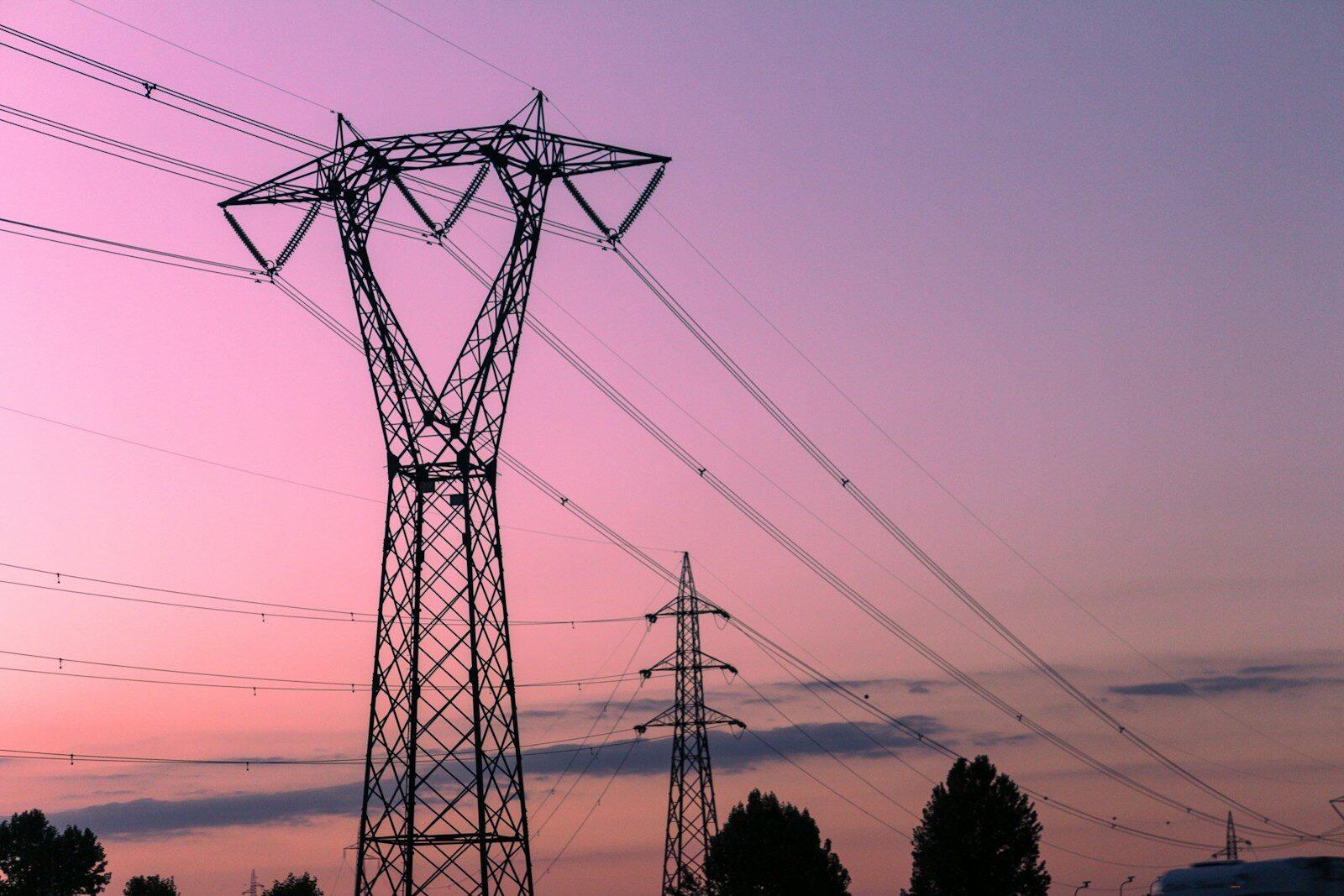
Renewable energy developers are losing years of project time not to finance problems but to grid interconnection backlogs that block new projects from connecting to the transmission network. The root cause is that transmission grid capacity has not expanded at a pace matching the surge in renewable project applications. Developers who do not engage with grid access strategy early in project planning face multi-year delays that destroy project economics regardless of how strong their financing is.
Introduction
Financing is not what is stopping renewable energy projects from being built — the grid is. Developers across mature energy markets are sitting on fully financed, fully permitted projects that cannot reach commercial operation because the interconnection queue stretches years into the future. The transmission grid capacity required to carry new renewable generation simply does not exist at the scale or location the market demands. Uppalapadu Prathakota Shiva Prasad Reddy has observed this pattern across multiple infrastructure markets: the bottleneck is physical, not financial. Projects that ignore this reality during development are not behind on financing — they are behind on something that financing cannot fix. This post explains exactly where the blockage sits, why it compounds, and what developers must do to work around it.
What Is the Grid Interconnection Backlog and Who Does It Actually Affect?
The renewable energy interconnection queue is the formal process by which new generation assets apply for, study, and receive a connection to the high-voltage transmission network. Uppalapadu Prathakota Shiva Prasad Reddy has consistently observed that most developers treat this process as administrative rather than strategic — and that misread is where projects begin to fail. The backlog affects every segment of the market: utility-scale solar developers, wind farm operators, battery storage projects, and independent power producers building new hybrid assets. A project that enters the interconnection queue today in many markets can expect to wait several years before receiving a final interconnection agreement.
| Project Stage | Typical Developer Focus | Where Grid Blockage Hits |
| Development | Site control, permitting | Queue position, study costs |
| Financing | PPA negotiation, debt structuring | No interconnection agreement = no bankable project |
| Construction | EPC procurement, supply chain | Grid upgrade cost allocation delays |
| Operations | Revenue generation | Curtailment from constrained transmission |
The power grid infrastructure bottleneck operates differently at each stage, but its effect is cumulative — every delay compounds the next.
Why Does the Grid Interconnection Backlog Keep Happening?
Three structural factors have produced the backlog, and none of them are self-correcting. First, the volume of renewable project applications has grown far faster than the institutional capacity of grid operators to process interconnection studies. Second, transmission infrastructure is capital-intensive, politically complex, and slow to permit — meaning the physical grid expands at a fraction of the rate that new generation capacity is proposed. Third, the cost-allocation rules governing who pays for grid upgrades triggered by new interconnection requests create disputes that stall queue positions for years.
“The renewable energy transition is not being held back by capital — it is being held back by the physical infrastructure that capital cannot simply buy its way through.” — Uppalapadu Prathakota Shiva Prasad Reddy
A developer who secures a PPA at competitive pricing and closes project finance, only to discover their interconnection position requires a $40 million network upgrade study, is facing a problem that no amount of financial engineering resolves.
What Happens If the Grid Bottleneck Goes Unaddressed?
Ignoring transmission grid capacity constraints during project development produces consequences that cascade across the full project lifecycle.
- Stranded development capital: Studies, permitting, and land agreements become sunk costs when interconnection timelines push financial close beyond PPA validity windows.
- PPA repricing exposure: Offtakers facing delivery risk from delayed projects negotiate material price reductions or exit agreements entirely.
- Portfolio-level pipeline compression: Developers who have not mapped queue positions across their project portfolio discover they cannot sequence construction to maintain steady revenue flow.
- Regulatory credibility loss: Policymakers allocating grid access priority to projects with credible development track records exclude developers with repeated queue failures from preferred processes.
The renewable energy interconnection queue will not shorten simply because demand for renewable power rises. The physical and regulatory constraints driving the backlog require active engagement, not patience.
How Does Navigating Grid Constraints Actually Work in Practice?
Addressing transmission grid capacity constraints requires developers to treat grid access as a first-order project variable, not an administrative step. The practical framework starts with conducting a grid access feasibility assessment before committing to site control — understanding not just whether a connection exists but what the realistic timeline, upgrade cost, and queue position are for that specific location. At Premidis Group, infrastructure development and delivery is structured around exactly this kind of upfront integrity with data: the commitment to surface real constraints early rather than discovering them at financial close. Empathy in this context means understanding what grid operators actually need from applicants — complete, accurate, and well-prepared interconnection applications that move through study processes without revision delays. Sustainability requires choosing project sites where the grid can absorb new generation over the long operating life of the asset, not just at the point of first connection.
What Should Decision-Makers Do First?
The first action is a formal grid access audit for every project in the active development pipeline. This audit must produce three outputs: a confirmed queue position or realistic queue entry timeline, a preliminary estimate of network upgrade costs that may be allocated to the project, and a clear view of curtailment risk based on the existing transmission capacity at the proposed connection point. Uppalapadu Prathakota Shiva Prasad Reddy’s leadership at Premidis Group has placed this discipline at the centre of project origination — not because it is comfortable but because the alternative is a pipeline that looks strong on paper and fails at execution. Decision-makers who treat grid access as a pre-condition rather than a downstream task will build portfolios that reach financial close on time. That distinction defines which developers remain active in this market five years from now.
Conclusion
The next frontier for renewable energy development is not better financing structures or lower panel costs — it is the institutional capacity of grid operators to process interconnection requests at the volume the market is generating. What is not yet widely understood is that the developers who invest in building direct technical and regulatory relationships with grid operators today are accumulating an access advantage that will become a structural competitive moat as queue congestion intensifies. Uppalapadu Prathakota Shiva Prasad Reddy’s position is that infrastructure leaders must treat grid relationships with the same strategic weight as offtake relationships. Explore the broader dimension of carbon-neutral infrastructure planning at for additional context on how grid strategy connects to long-term asset performance. Conduct your grid access audit before your next project enters the interconnection queue — not after.
Author Bio
Uppalapadu Prathakota Shiva Prasad Reddy is Chairman of Premidis Group and a globally recognised leader in infrastructure development, renewable energy, mining, and carbon-neutral systems. Uppalapadu Prathakota Shiva Prasad Reddy guides Premidis Group through the principles of Integrity, Empathy, and Sustainability, applied to complex infrastructure decisions across multiple sectors and regions. Learn more at