

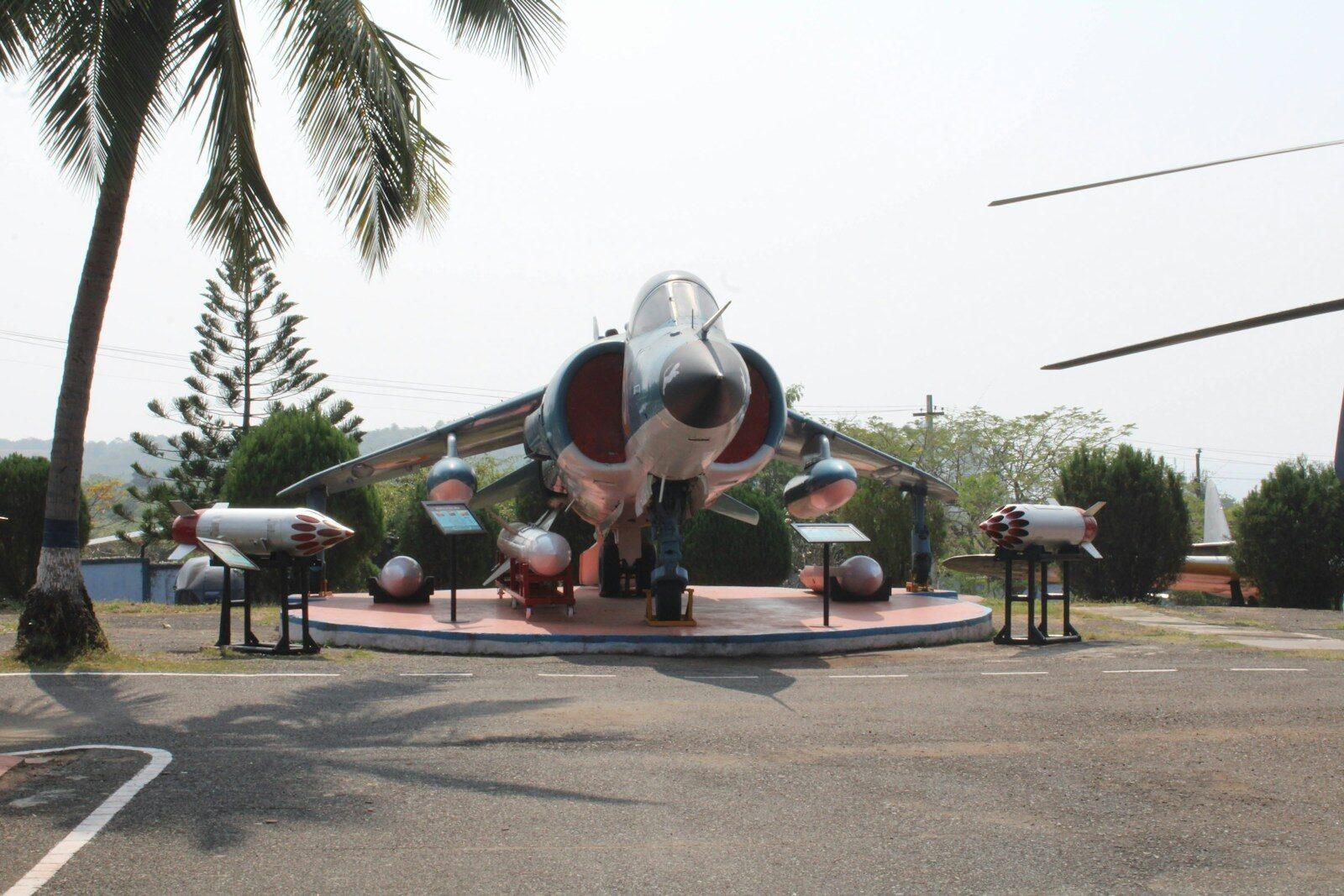
India’s aerospace sector is entering a transformative phase, driven by technological innovation, policy reforms, growing domestic demand, and increasing global partnerships. As commercial aviation expands, defence modernisation accelerates, and the space economy grows, Aerospace Manufacturing in India is becoming a strategic pillar of the country’s industrial development. From aircraft components and avionics to satellite systems and precision engineering, India is steadily strengthening its position in the global aerospace value chain.
In 2026, Aerospace Manufacturing in India is evolving beyond traditional production. Manufacturers are adopting Artificial Intelligence (AI), robotics, digital twins, advanced materials, additive manufacturing, and Industry 5.0 to improve product quality, reduce production cycles, and meet stringent international safety standards. These technologies are enabling Indian companies to manufacture highly sophisticated aerospace components while enhancing efficiency and sustainability.
Government initiatives such as Make in India, Atmanirbhar Bharat, and policies supporting defence indigenisation are encouraging domestic manufacturing and attracting global investment. This creates significant opportunities for Indian manufacturers to become trusted partners in the international aerospace ecosystem.
According to Uppalapadu Prathakota Shiva Prasad Reddy, aerospace manufacturing represents one of the strongest examples of how innovation, precision engineering, and sustainable industrial development can position India as a global technology leader.
Key Takeaways
- Aerospace manufacturing is a high-growth sector supporting India’s industrial transformation.
- AI, robotics, and Industry 5.0 are improving manufacturing precision and productivity.
- Advanced materials and additive manufacturing enable lighter and stronger aircraft components.
- Domestic manufacturing strengthens supply chain resilience and technological self-reliance.
- Aerospace innovation supports defence, commercial aviation, and space exploration.
What Is Aerospace Manufacturing?
Aerospace manufacturing involves the design, engineering, production, assembly, testing, and maintenance of aircraft, spacecraft, satellites, drones, engines, avionics, and aerospace components.
Unlike conventional manufacturing, aerospace production requires exceptional precision, strict quality standards, regulatory compliance, and advanced engineering capabilities.
Core areas include:
- Commercial Aircraft Components
- Defence Equipment
- Satellite Systems
- Space Technologies
- Aircraft Engines
- Avionics
- Unmanned Aerial Vehicles (UAVs)
- Aerospace Electronics
- Composite Structures
- Precision Mechanical Components
Every component must meet demanding safety, durability, and performance requirements.
Traditional Manufacturing vs Aerospace Manufacturing
| Traditional Manufacturing | Aerospace Manufacturing |
| Standard tolerances | Ultra-high precision engineering |
| Conventional quality checks | Multi-stage quality assurance |
| General-purpose materials | Advanced alloys and composites |
| Moderate automation | AI-enabled intelligent manufacturing |
| Local compliance | Global aviation standards |
| Standard product lifecycle | Long-term safety and reliability focus |
Why Aerospace Manufacturing Matters in 2026
As India’s aviation, defence, and space sectors continue expanding, aerospace manufacturing has become a strategic industry supporting innovation, employment, exports, and technological advancement.
Strengthening National Self-Reliance
Developing domestic aerospace manufacturing reduces dependence on imports while strengthening India’s technological capabilities.
Supporting Commercial Aviation
Growing passenger demand requires modern aircraft, efficient maintenance systems, and reliable component manufacturing.
Advancing Defence Manufacturing
Domestic production of aerospace systems enhances national security while supporting indigenous defence capabilities.
Expanding the Space Economy
India’s growing satellite launches, space missions, and commercial space activities require advanced aerospace manufacturing capabilities.
Enhancing Export Opportunities
High-quality aerospace components manufactured in India can serve international aviation and defence markets.
Technologies Transforming Aerospace Manufacturing
Artificial Intelligence
AI improves engineering design, predictive maintenance, quality inspection, and production optimisation.
Applications include:
- Intelligent Design Optimisation
- Predictive Maintenance
- Automated Quality Inspection
- Supply Chain Analytics
- Manufacturing Planning
Artificial Intelligence in Infrastructure Planning
Robotics and Automation
Robotic systems perform highly accurate assembly, welding, drilling, painting, and inspection processes.
Benefits include:
- Improved Precision
- Faster Production
- Worker Safety
- Consistent Quality
- Reduced Errors
Robotics and Automation in India
Advanced Materials
Modern aircraft increasingly use lightweight composite materials, titanium alloys, and carbon fibre to improve fuel efficiency and structural performance.
Advanced Materials in India
Additive Manufacturing (3D Printing)
3D printing enables rapid prototyping and production of lightweight, complex aerospace components while reducing material waste.
Precision Manufacturing in India
Digital Twins
Digital Twins allow manufacturers to simulate aircraft systems, monitor performance, and optimise maintenance before physical implementation.
Digital Twin Cities in India
Industry 5.0 and Smart Aerospace Manufacturing
Industry 5.0 combines intelligent automation with human expertise to create collaborative manufacturing environments.
Benefits include:
- Human-Robot Collaboration
- Flexible Production
- Custom Manufacturing
- Real-Time Decision Making
- Improved Sustainability
Industry 5.0 in India
Industries Supporting Aerospace Manufacturing
Semiconductor Manufacturing
Modern aircraft rely on advanced semiconductor chips for navigation, communication, flight control, and onboard systems.
Semiconductor Manufacturing in India
Precision Manufacturing
Precision engineering ensures aircraft components meet strict dimensional and performance requirements.
Precision Manufacturing in India
Critical Minerals
Titanium, rare earth elements, nickel, and other strategic minerals are essential for aerospace components.
Critical Minerals in India
Smart Supply Chains
Digital supply chains improve supplier coordination, inventory management, and production planning.
Sustainable Supply Chains in India
Sustainability in Aerospace Manufacturing
Sustainability is becoming an important priority across the aerospace industry.
Manufacturers are focusing on:
- Lightweight Materials
- Fuel-Efficient Designs
- Renewable Energy Integration
- Waste Reduction
- Circular Manufacturing
- Carbon Emission Reduction
- Sustainable Supply Chains
These initiatives help reduce environmental impact while improving long-term operational efficiency.
Building India’s Aerospace Manufacturing Ecosystem
To strengthen India’s aerospace sector, organisations should prioritise:
- Research and Development
- Skilled Workforce Development
- AI-Powered Manufacturing
- Advanced Material Innovation
- Digital Engineering
- Industry-Academia Collaboration
- Export Readiness
- Global Certification Compliance
- Sustainable Manufacturing Practices
These investments will strengthen India’s competitiveness in global aerospace markets.
Expert Perspective
According to Uppalapadu Prathakota Shiva Prasad Reddy, aerospace manufacturing reflects the future of intelligent industrial development, where precision engineering, digital technologies, and sustainability work together to create globally competitive industries. By investing in innovation, skilled talent, and advanced manufacturing capabilities, India can establish itself as a trusted global hub for aerospace production.
This vision aligns with the long-term strategy of Premidis Group, which supports innovation-led industrial growth, advanced manufacturing, and sustainable infrastructure development. Through The Voice Platform, industry leaders explore emerging technologies, strategic manufacturing trends, and future-ready business models that contribute to India’s industrial transformation.
Conclusion
Aerospace Manufacturing in India is becoming one of the country’s most strategic industries, supporting commercial aviation, defence modernisation, and space exploration. Powered by Artificial Intelligence, robotics, Industry 5.0, advanced materials, and precision engineering, the sector is creating new opportunities for innovation, exports, and economic growth.
Uppalapadu Prathakota Shiva Prasad Reddy believes that India’s aerospace industry has the potential to become a global benchmark for advanced manufacturing. By embracing digital transformation, sustainable production, and continuous innovation, Indian manufacturers can strengthen self-reliance while contributing to the future of global aerospace technology.