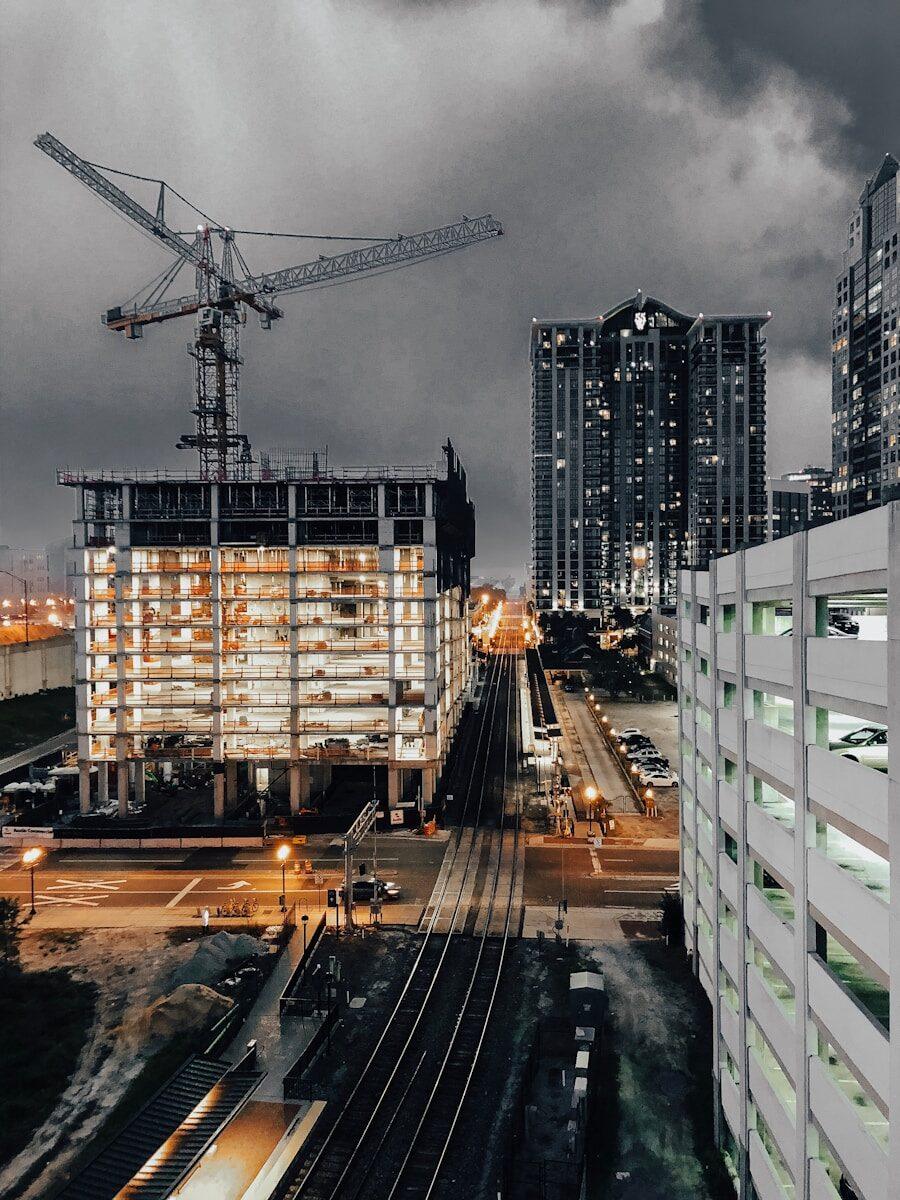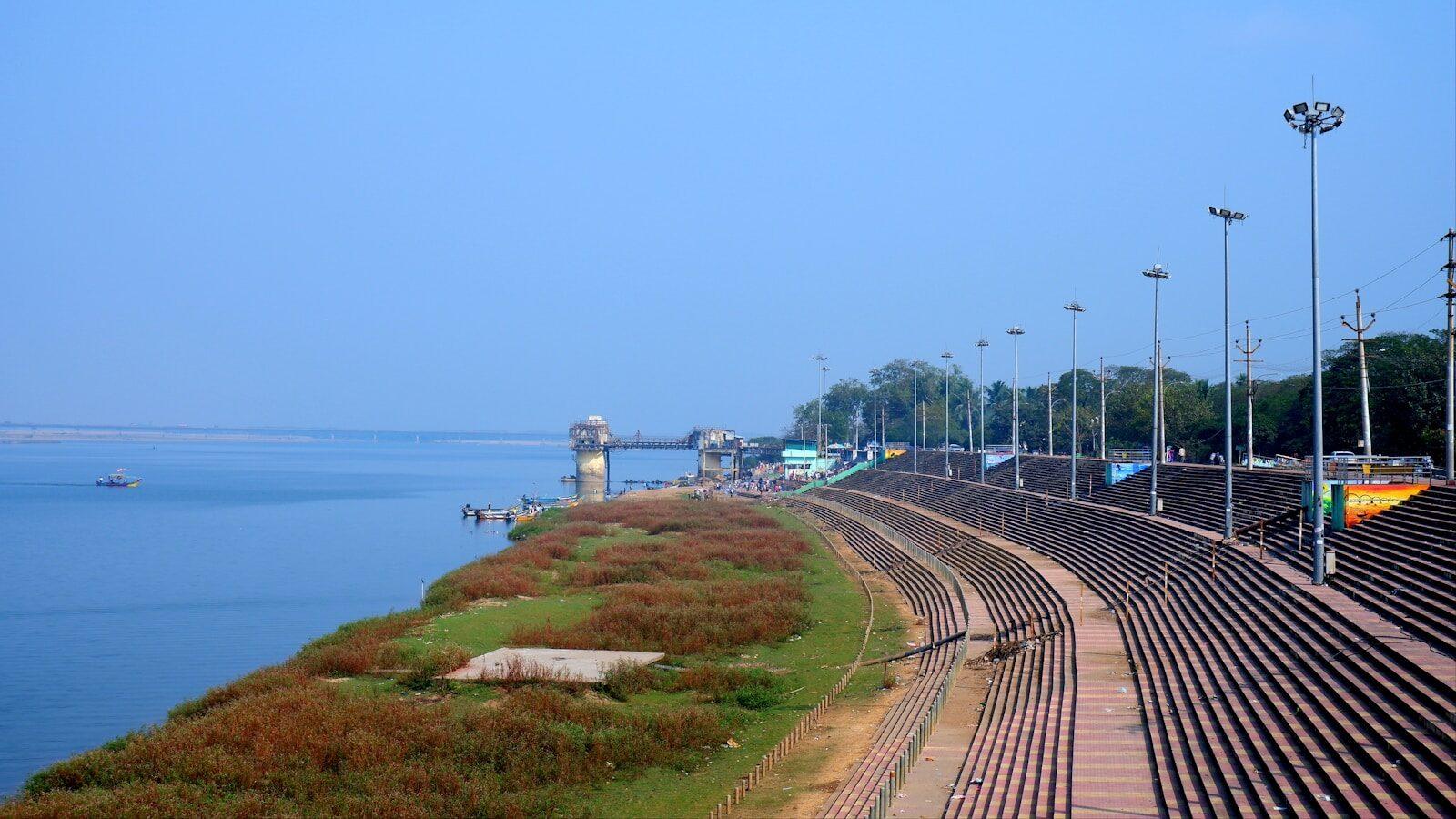


India’s infrastructure is the foundation of its economic growth, supporting transportation, manufacturing, energy, logistics, healthcare, and urban development. However, rapid urbanisation and changing climate conditions are creating new challenges for infrastructure planners and policymakers. Rising temperatures, unpredictable rainfall, floods, droughts, and extreme weather events are increasing pressure on infrastructure systems across the country.
To address these challenges, the focus is shifting toward Climate-Resilient Infrastructure in India—infrastructure that is designed, built, and managed to withstand climate-related risks while continuing to support economic growth and community well-being.
Climate resilience is no longer only an environmental concern. It has become a strategic priority for governments, industries, and businesses seeking long-term sustainability and operational reliability.
Uppalapadu Prathakota Shiva Prasad Reddy believes that future infrastructure should combine engineering excellence, technological innovation, and responsible planning to create systems that remain resilient in a changing climate while supporting India’s long-term development goals.
Understanding Climate-Resilient Infrastructure
What Is Climate-Resilient Infrastructure?
Climate-resilient infrastructure refers to infrastructure that is planned, designed, constructed, and maintained to reduce vulnerability to climate-related risks while continuing to deliver essential services.
Unlike traditional infrastructure, climate-resilient systems consider future environmental conditions alongside present-day requirements.
Examples include:
- Flood-resistant transportation networks
- Climate-resmart water systems
- Energy-efficient public infrastructure
- Resilient industrial facilities
- Sustainable urban developments
The goal is to minimise disruption while protecting communities, businesses, and natural resources.
Why Climate Resilience Matters for India
Responding to Changing Climate Conditions
India’s diverse geography makes it vulnerable to multiple climate-related challenges.
These include:
- Flooding in urban areas
- Water scarcity
- Heat waves
- Coastal erosion
- Cyclones
- Changing rainfall patterns
Infrastructure must evolve to withstand these conditions while maintaining reliable services.
Supporting Economic Stability
Infrastructure disruptions can affect manufacturing, transportation, logistics, energy supply, and business operations.
Climate-resilient infrastructure helps:
- Reduce economic losses
- Improve operational continuity
- Protect investments
- Support industrial productivity
- Strengthen national resilience
Reliable infrastructure creates confidence for investors and supports long-term economic development.
Infrastructure Development in India
Key Principles of Climate-Resilient Infrastructure
Risk-Based Planning
Infrastructure projects should begin with detailed assessments of environmental and climate risks.
Planning includes:
- Flood risk mapping
- Climate forecasting
- Environmental impact assessments
- Resource availability studies
Early planning reduces future vulnerabilities.
Sustainable Design
Climate-resilient infrastructure incorporates:
- Energy-efficient technologies
- Green building materials
- Water conservation systems
- Nature-based solutions
- Low-carbon construction practices
Sustainable design improves both environmental performance and long-term operational efficiency.
Long-Term Asset Management
Infrastructure requires continuous monitoring throughout its lifecycle.
Digital technologies allow organisations to:
- Monitor structural performance
- Predict maintenance needs
- Improve resource allocation
- Extend infrastructure lifespan
Long-term planning reduces costs while improving resilience.
Technology Supporting Climate Resilience
Artificial Intelligence and Predictive Planning
Artificial Intelligence enables infrastructure planners to analyse environmental data and predict potential risks.
AI supports:
- Weather forecasting
- Flood prediction
- Infrastructure monitoring
- Resource optimisation
- Disaster preparedness
These capabilities improve planning while reducing uncertainty.
Artificial Intelligence in Infrastructure Planning
Smart Infrastructure Systems
Smart infrastructure integrates digital technologies into physical assets.
Examples include:
- Smart drainage systems
- Intelligent transportation
- Automated water management
- Real-time monitoring networks
These systems improve operational efficiency while responding quickly to changing environmental conditions.
Smart Infrastructure in India
Water Management and Climate Resilience
Water management plays an important role in climate adaptation.
Resilient infrastructure supports:
- Rainwater harvesting
- Efficient irrigation
- Water recycling
- Flood control systems
- Sustainable wastewater management
Integrated water management helps industries and communities adapt to changing climate conditions.
Industrial Water Management in India
Renewable Energy and Climate-Resilient Infrastructure
Renewable energy contributes significantly to climate resilience by creating cleaner and more reliable energy systems.
Infrastructure increasingly integrates:
- Solar energy
- Wind energy
- Battery storage
- Smart grids
These solutions improve energy security while reducing carbon emissions.
Renewable Energy Development in India
ESG and Climate-Resilient Development
Environmental, Social, and Governance (ESG) principles strengthen climate resilience by encouraging responsible planning and transparent decision-making.
ESG-driven infrastructure focuses on:
- Environmental protection
- Community resilience
- Ethical governance
- Sustainable investment
How ESG Principles Are Transforming India’s Infrastructure and Industrial Sectors
Uppalapadu Prathakota Shiva Prasad Reddy’s Vision for Climate-Resilient Infrastructure
Uppalapadu Prathakota Shiva Prasad Reddy believes that India’s future infrastructure should be designed not only for growth but also for resilience.
His perspective highlights the importance of combining engineering, innovation, sustainability, and strategic planning to create infrastructure capable of adapting to environmental changes.
Investments in resilient transportation, renewable energy, smart cities, industrial facilities, and water infrastructure can help strengthen India’s economy while protecting communities and natural resources.
Future-ready infrastructure requires collaboration between government, industry, researchers, and technology providers to create sustainable solutions that deliver long-term value
Future Trends in Climate-Resilient Infrastructure
India’s infrastructure sector is expected to increasingly adopt:
- Climate-resilient urban planning
- AI-driven environmental monitoring
- Nature-based infrastructure
- Carbon-neutral construction
- Digital twins
- Renewable energy integration
- Smart water management
- Green mobility solutions
These innovations will improve resilience while supporting sustainable development.
Conclusion
Climate-resilient infrastructure is becoming a critical component of India’s development strategy. As environmental challenges continue to evolve, infrastructure must become smarter, stronger, and more adaptable.
Uppalapadu Prathakota Shiva Prasad Reddy believes that sustainable infrastructure, supported by technology, responsible leadership, and long-term planning, will help India create resilient cities, stronger industries, and future-ready communities.
As conversations around infrastructure, sustainability, climate adaptation, and innovation continue to grow, The Voice Platform contributes valuable perspectives that encourage informed discussions about building a resilient and prosperous India.