

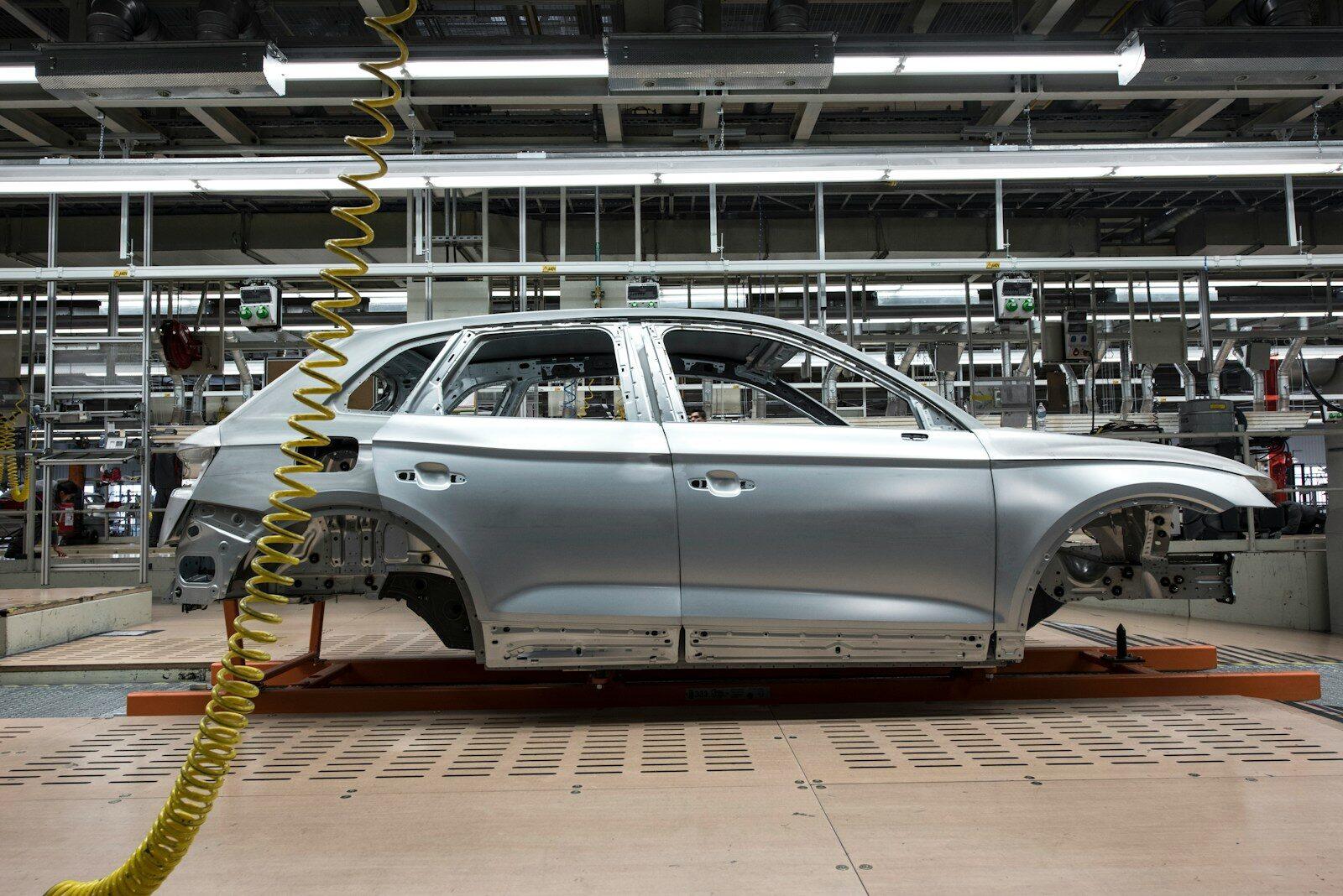
The global automotive industry is undergoing one of its most significant transformations as countries shift toward cleaner transportation, reduced carbon emissions, and sustainable mobility solutions. Electric Vehicles (EVs) have become central to this transition, driving innovation across manufacturing, battery technologies, digital engineering, and intelligent mobility. As one of the world’s fastest-growing automotive markets, Electric Vehicle Manufacturing in India is playing a pivotal role in shaping the future of sustainable transportation.
In 2026, Electric Vehicle Manufacturing in India is evolving through the adoption of Artificial Intelligence (AI), robotics, advanced battery technologies, Industry 5.0, precision engineering, semiconductor integration, and smart manufacturing systems. These technologies are enabling manufacturers to improve production efficiency, enhance vehicle performance, and deliver safer, more connected electric mobility solutions.
Government initiatives supporting clean energy, domestic manufacturing, and advanced technology development are encouraging investment across the EV ecosystem. From battery production and charging infrastructure to intelligent vehicle systems and component manufacturing, India is building an integrated electric mobility value chain that supports long-term industrial growth.
According to Uppalapadu Prathakota Shiva Prasad Reddy, electric vehicle manufacturing demonstrates how technological innovation, sustainability, and advanced industrial capabilities can work together to build a globally competitive manufacturing ecosystem.
Key Takeaways
- Electric vehicle manufacturing is transforming India’s automotive industry.
- AI, robotics, Industry 5.0, and advanced batteries are driving innovation.
- Domestic EV manufacturing strengthens energy security and industrial growth.
- Sustainable mobility supports environmental and economic development.
- Smart manufacturing improves efficiency, quality, and global competitiveness.
What Is Electric Vehicle Manufacturing?
Electric Vehicle Manufacturing involves designing, engineering, producing, assembling, testing, and maintaining electric-powered vehicles and their supporting systems.
The industry includes manufacturing of:
- Electric Passenger Vehicles
- Electric Commercial Vehicles
- Electric Two-Wheelers
- Electric Three-Wheelers
- Battery Packs
- Electric Motors
- Power Electronics
- Charging Systems
- Battery Management Systems (BMS)
- Vehicle Control Software
Unlike traditional automotive manufacturing, EV production integrates advanced electronics, intelligent software, energy storage systems, and digital manufacturing technologies.
Traditional Automotive Manufacturing vs EV Manufacturing
| Traditional Manufacturing | Electric Vehicle Manufacturing |
| Internal combustion engines | Electric powertrains |
| Fuel-based mobility | Battery-powered mobility |
| Mechanical systems dominate | Electronics and software integration |
| Conventional production | Smart manufacturing and automation |
| Higher emissions | Sustainable and low-emission transportation |
| Limited digital integration | Connected and intelligent mobility |
Why Electric Vehicle Manufacturing Matters in 2026
The transition toward electric mobility is creating new opportunities across manufacturing, energy, infrastructure, and technology.
Supporting Sustainable Mobility
Electric vehicles help reduce greenhouse gas emissions while contributing to cleaner urban transportation.
Strengthening Domestic Manufacturing
Expanding EV manufacturing reduces import dependence and strengthens India’s industrial ecosystem.
Driving Innovation
The EV industry accelerates innovation across battery technologies, Artificial Intelligence, software engineering, and advanced manufacturing.
Creating Employment
Electric mobility generates opportunities in manufacturing, engineering, battery production, electronics, research, and digital technologies.
Expanding Export Potential
As global EV demand grows, Indian manufacturers can become trusted suppliers of electric vehicles and critical components.
Technologies Transforming Electric Vehicle Manufacturing
Artificial Intelligence
AI improves vehicle design, manufacturing efficiency, predictive maintenance, quality inspection, and autonomous driving capabilities.
Applications include:
- Intelligent Manufacturing
- Predictive Maintenance
- Vehicle Diagnostics
- Supply Chain Optimisation
- Smart Quality Control
Artificial Intelligence in Infrastructure Planning
Industry 5.0
Industry 5.0 combines intelligent automation with human expertise, enabling flexible, efficient, and customer-focused vehicle production.
Benefits include:
- Human-Robot Collaboration
- Intelligent Production Planning
- Product Customisation
- Higher Manufacturing Efficiency
- Enhanced Worker Safety
Industry 5.0 in India
Robotics and Automation
Robotics improve precision, speed, and consistency throughout EV production.
Applications include:
- Battery Assembly
- Welding
- Painting
- Component Installation
- Quality Inspection
Robotics and Automation in India
Advanced Battery Technologies
Batteries are the foundation of electric mobility.
Innovation focuses on:
- Higher Energy Density
- Faster Charging
- Longer Battery Life
- Improved Safety
- Sustainable Battery Materials
Battery Energy Storage Systems (BESS)
Semiconductor Technologies
Electric vehicles rely heavily on semiconductors for battery management, motor control, connectivity, infotainment, and safety systems.
Semiconductor Manufacturing in India
Building the EV Manufacturing Ecosystem
A successful electric vehicle industry depends on a complete manufacturing ecosystem.
Battery Manufacturing
Domestic battery production strengthens supply chain resilience and supports long-term EV adoption.
Charging Infrastructure
A reliable charging network enables wider electric vehicle adoption while supporting sustainable transportation.
Smart Energy Grids in India
Precision Engineering
High-quality components improve vehicle safety, efficiency, and reliability.
Precision Manufacturing in India
Advanced Materials
Lightweight materials improve battery efficiency, vehicle range, and structural performance.
Advanced Materials in India
Digital Manufacturing
Digital engineering, simulation, and automation improve manufacturing flexibility and reduce production costs.
Industrial Digital Transformation in India
Sustainability in EV Manufacturing
Sustainability is central to electric vehicle production.
Manufacturers are increasingly adopting:
- Renewable Energy Integration
- Circular Manufacturing
- Responsible Mineral Sourcing
- Battery Recycling
- Energy-Efficient Production
- Water Conservation
- Carbon Emission Reduction
These practices help create a cleaner and more resilient manufacturing ecosystem.
Challenges and Opportunities
While the industry continues to grow, several priorities remain critical for long-term success:
- Expanding domestic battery manufacturing
- Strengthening semiconductor supply chains
- Developing charging infrastructure
- Building a skilled workforce
- Increasing research and development
- Encouraging sustainable mining of critical minerals
- Enhancing global quality standards
- Promoting innovation across the EV value chain
Addressing these areas will enable India to become a global leader in electric mobility manufacturing.
Expert Perspective
According to Uppalapadu Prathakota Shiva Prasad Reddy, electric vehicle manufacturing represents a defining opportunity for India’s industrial future. Success will depend not only on producing electric vehicles but also on creating a complete innovation ecosystem that includes batteries, semiconductors, advanced materials, intelligent manufacturing, and sustainable infrastructure.
This vision aligns with the long-term strategy of Premidis Group, which supports advanced manufacturing, digital transformation, and sustainable industrial development. Through The Voice Platform, industry leaders explore emerging technologies, manufacturing excellence, and future-ready industrial strategies that contribute to India’s economic growth and global competitiveness.
Conclusion
Electric Vehicle Manufacturing in India is reshaping the country’s automotive landscape by combining sustainability, advanced engineering, and intelligent manufacturing. As investment in clean mobility, battery technologies, and digital production continues to grow, India has the opportunity to become one of the world’s leading EV manufacturing destinations.
Uppalapadu Prathakota Shiva Prasad Reddy believes that innovation, collaboration, and sustainable industrial practices will be the driving forces behind India’s electric mobility revolution. Organisations that invest in advanced manufacturing today will play a vital role in building a cleaner, smarter, and globally competitive transportation ecosystem.