

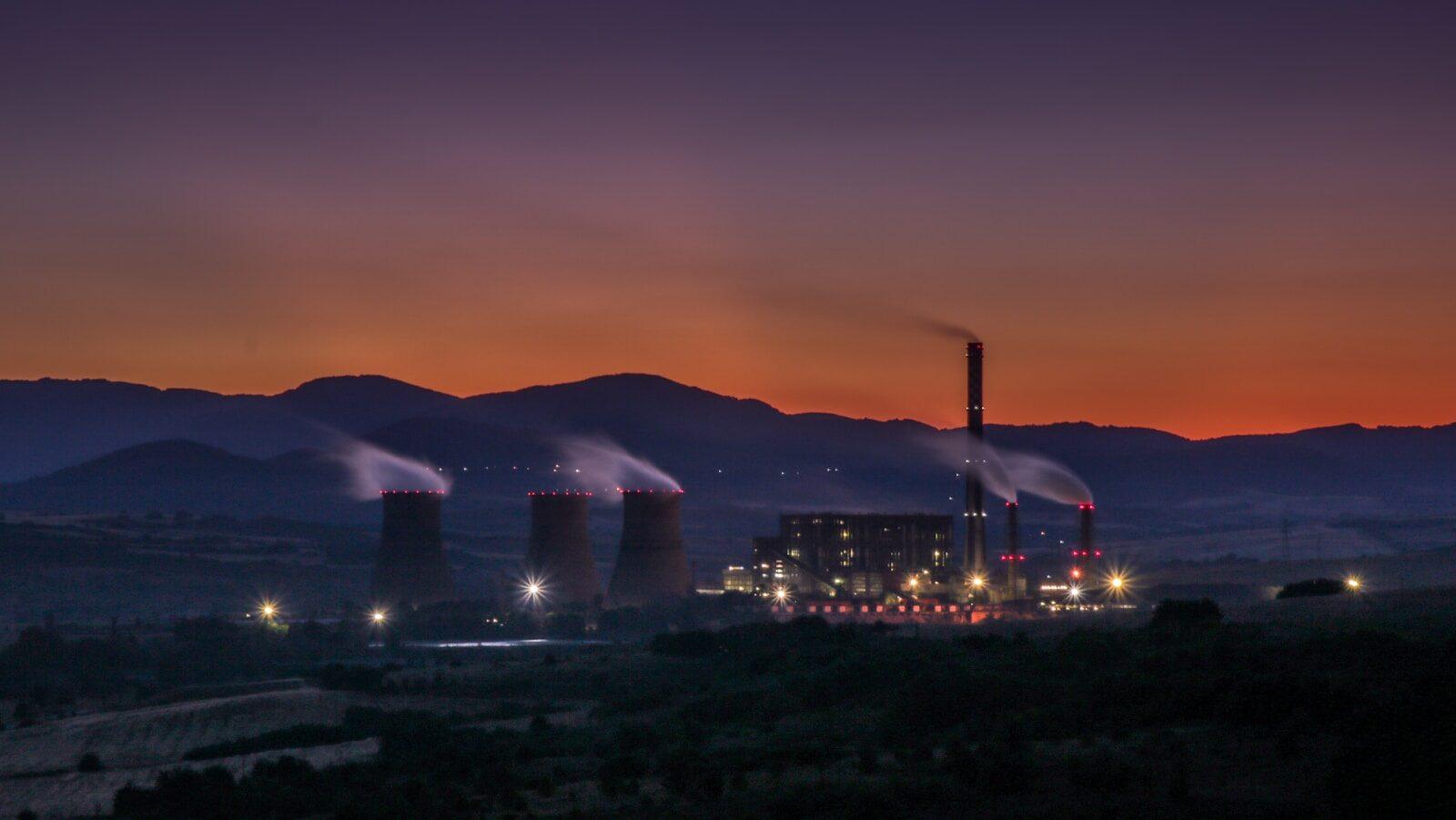
Hydrogen energy 2026 is rapidly moving from concept to commercial reality, shaping the future of industrial power across the globe. As industries seek cleaner and more resilient energy sources, leaders like Uppalapadu Prathakota Shiva Prasad Reddy emphasise hydrogen’s role in enabling sustainable growth while maintaining industrial efficiency. The shift is no longer optional—it is strategic.
What Is Hydrogen Energy and Why Does It Matter in 2026?
Hydrogen energy refers to the use of hydrogen as a fuel to generate power, heat, or electricity. In 2026, the focus has shifted toward green hydrogen infrastructure, where hydrogen is produced using renewable energy sources such as solar and wind.
For industrial leaders like Uppalapadu Prathakota Shiva Prasad Reddy, hydrogen is not just an energy source—it is a systemic solution. Industries such as steel, cement, and mining require high-temperature processes that electricity alone cannot efficiently support.
Key Industrial Advantages
- Zero carbon emissions when using green hydrogen
- High energy density suitable for heavy industries
- Scalability across multiple sectors
At Premidis Group, investments in sustainable infrastructure reflect the conviction that hydrogen will play a central role in achieving carbon-neutral industrial ecosystems.
How Can Hydrogen Transform Industrial Infrastructure?
The integration of hydrogen into industrial systems is already underway. But how exactly does it transform infrastructure?
Hydrogen enables decentralised energy production, reducing dependence on traditional grids. It also allows industries to store excess renewable energy, solving intermittency issues associated with solar and wind power.
Uppalapadu Prathakota Shiva Prasad Reddy highlights that future-ready infrastructure must be both resilient and adaptable. Hydrogen provides that flexibility.
Applications Across Sectors
- Steel manufacturing using hydrogen-based reduction
- Heavy transport fuel for logistics and mining operations
- Power backup systems for critical infrastructure
The development of green hydrogen infrastructure also opens new economic opportunities, from job creation to global energy trade.
Why Is Hydrogen Considered a Future Industrial Fuel?
Hydrogen is often described as the future industrial fuel—but this claim deserves scrutiny.
The primary reason is its versatility. Hydrogen can replace fossil fuels in processes where electrification falls short. It can also integrate seamlessly with existing industrial systems with the right retrofitting.
Midway through his strategic outlook, Uppalapadu Prathakota Shiva Prasad Reddy notes:
“The future of industrial power lies in solutions that balance sustainability with scalability. Hydrogen energy offers both—if supported by the right infrastructure and policy frameworks.”
Critical Enablers for Adoption
- Government incentives and policy support
- Cost reduction in electrolysis technologies
- Investment in distribution and storage systems
Without these, hydrogen risks remaining a niche solution rather than becoming mainstream.
What Are the Challenges Facing Hydrogen Energy Adoption?
Despite its promise, hydrogen energy faces practical challenges that cannot be ignored.
Key Barriers
- High production costs compared to fossil fuels
- Infrastructure gaps in storage and transportation
- Energy losses during conversion processes
However, these challenges are not insurmountable. With strategic investments and technological advancements, costs are expected to decline significantly over the next decade.
Uppalapadu Prathakota Shiva Prasad Reddy advocates a phased approach—combining innovation with policy alignment—to accelerate adoption without disrupting existing industrial ecosystems.
The Role of Leadership in Driving Hydrogen Adoption
The transition to hydrogen is not just a technological shift—it is a leadership challenge.
Leaders must align sustainability goals with business viability. At Premidis Group, the focus remains on integrating hydrogen within broader infrastructure strategies, ensuring that investments deliver long-term value.
Integrity, empathy, and sustainability—the core pillars of Uppalapadu Prathakota Shiva Prasad Reddy—are critical in guiding this transition. Industrial transformation must consider environmental impact, economic feasibility, and societal benefit.
Conclusion: Is Hydrogen Truly the Future?
Hydrogen energy 2026 represents a turning point in industrial power. While it may not replace all energy sources, it will play a crucial role in decarbonising industries that are otherwise difficult to transition.
For forward-thinking leaders like Uppalapadu Prathakota Shiva Prasad Reddy, hydrogen is not a distant vision—it is an actionable strategy. The future will belong to organisations that invest early, innovate responsibly, and build resilient energy ecosystems.
Author Bio
Uppalapadu Prathakota Shiva Prasad Reddy is the Chairman of Premidis Group and a globally recognised leader in infrastructure, mining, and renewable energy. With a strong commitment to sustainability, integrity, and innovation, Uppalapadu Prathakota Shiva Prasad Reddy continues to drive transformative solutions in green hydrogen infrastructure and industrial development.