
India’s green hydrogen ambitions are growing rapidly.
The National Green Hydrogen Mission has created a policy framework for building domestic production capabilities, manufacturing electrolysers and developing a wider hydrogen ecosystem. The mission includes ₹17,490 crore in initial Strategic Interventions for Green Hydrogen Transition (SIGHT), covering incentives for electrolyser manufacturing and green hydrogen production.
Projects are already being announced and developed across different parts of the country, including hydrogen and green-ammonia projects connected with ports, refineries and industrial facilities. The Ministry of New and Renewable Energy’s project database shows projects at different stages of development.
So why is green hydrogen infrastructure in India still difficult to scale?
The answer is simple but often overlooked:
Producing green hydrogen is only one part of building a hydrogen economy.
India also needs renewable electricity, electrolysers, water, storage, transportation, pipelines, ports, industrial offtake, safety systems and supporting digital infrastructure.
If these pieces do not develop together, individual hydrogen projects may struggle to reach commercial scale.
What Makes Green Hydrogen Infrastructure Different?
Green hydrogen is generally produced by using renewable electricity to split water into hydrogen and oxygen through electrolysis.
That means a green hydrogen project needs several interconnected systems:
Renewable Power → Electrolyser → Hydrogen Production → Compression/Storage → Transportation → Industrial Offtake
Every stage creates its own infrastructure requirement.
A project can have an excellent electrolyser but still struggle if renewable electricity is unreliable.
It can produce hydrogen efficiently but face problems if storage or transportation infrastructure is unavailable.
And it can have production capacity but struggle commercially if there are not enough long-term buyers.
This is why India’s hydrogen challenge is not simply a technology problem.
It is an infrastructure coordination problem.
Challenge 1: Green Hydrogen Needs Large Amounts of Renewable Electricity
The first major challenge is electricity.
Green hydrogen production depends on renewable electricity, particularly solar and wind power.
That creates a direct connection between hydrogen infrastructure and India’s wider renewable-energy infrastructure.
If hydrogen production expands significantly, India will need enough clean electricity to support electrolysers without undermining other electricity requirements.
This creates several infrastructure questions:
- Where should renewable power be generated?
- Where should electrolysers be located?
- Should hydrogen be produced close to renewable-energy projects?
- How should electricity be transmitted?
- How can variable solar and wind generation be balanced?
The answer will not be the same for every project.
A hydrogen facility near a major renewable-energy zone may have different economics from one located close to a refinery, steel plant or port.
The Practical Solution
India needs integrated planning rather than treating renewable-energy projects and hydrogen projects as separate investments.
Hydrogen production should be planned alongside:
- Renewable generation
- Transmission capacity
- Storage
- Industrial demand
- Transportation
- Water availability
This is where India’s broader approach to integrated infrastructure planning becomes important.
The PM Gati Shakti Master Plan provides a useful example of why infrastructure planning needs to consider connectivity between different sectors rather than developing projects in isolation.
Challenge 2: Electrolyser Capacity Must Scale
Electrolysers are at the centre of green hydrogen production.
India therefore needs not only hydrogen-production projects but also a reliable domestic ecosystem for electrolyser manufacturing, components, technology and maintenance.
The National Green Hydrogen Mission specifically includes incentives for electrolyser manufacturing through the SIGHT programme.
But manufacturing capacity alone is not enough.
Infrastructure leaders also need to consider:
- Equipment efficiency
- Operating life
- Maintenance
- Replacement cycles
- Technology selection
- Supply-chain reliability
- Skilled workforce availability
The Practical Solution
Rather than focusing only on initial electrolyser capacity, projects should evaluate the entire equipment lifecycle.
Questions should include:
How efficiently will the electrolyser operate?
How often will components require maintenance?
What happens when equipment needs replacement?
Are critical components available domestically?
This lifecycle perspective can help prevent future bottlenecks.
Challenge 3: Where Will Hydrogen Be Stored?
Hydrogen is difficult to store compared with many conventional fuels.
Depending on the application, hydrogen may need to be compressed, liquefied or converted into other carriers such as ammonia.
This creates another infrastructure challenge.
A hydrogen project needs to consider:
- Storage capacity
- Compression
- Safety systems
- Pressure management
- Transportation requirements
- Distance to consumers
Storage requirements will also differ depending on whether hydrogen is being used immediately by an industrial facility or transported over longer distances.
The Practical Solution
Storage should be designed according to the actual supply chain.
Instead of asking:
“How much hydrogen can we produce?”
project developers should also ask:
“How much hydrogen needs to be stored, where, for how long and why?”
That can prevent unnecessary infrastructure investment while ensuring supply reliability.
Challenge 4: Transporting Hydrogen Is Not Simple
Producing hydrogen at one location does not mean it can automatically reach the end user.
India will need transportation systems capable of moving hydrogen safely and economically.
Potential options include:
- Pipelines
- Tube trailers
- Compressed hydrogen
- Liquid hydrogen
- Hydrogen-derived carriers such as ammonia
The right option depends on distance, volume, end use and infrastructure availability.
For example, a large industrial cluster may justify dedicated pipeline infrastructure, while smaller volumes may require different transportation methods.
The Practical Solution
India should develop hydrogen hubs where production, storage, transportation and industrial demand are located close together.
This can reduce unnecessary transportation requirements and allow common infrastructure to serve multiple producers and consumers.
Challenge 5: Hydrogen Needs Reliable Industrial Demand
Infrastructure investment becomes difficult when there is no predictable customer.
This is one of the biggest challenges facing emerging energy technologies.
Hydrogen producers need confidence that industries will purchase their output.
Potential industrial users include:
- Refineries
- Fertiliser plants
- Steel production
- Chemicals
- Shipping
- Heavy transport
- Power generation
The challenge is creating a strong connection between hydrogen producers and long-term offtakers.
The Practical Solution
Long-term offtake agreements can provide greater certainty for infrastructure developers and investors.
Instead of building production first and searching for buyers later, project planning should start with:
Who will use the hydrogen?
How much will they need?
For how many years?
What price can they support?
This demand-led approach can reduce the risk of stranded hydrogen infrastructure.
Challenge 6: Water Availability Cannot Be Ignored
Green hydrogen production through electrolysis requires water.
This creates an important infrastructure question in regions where water availability is already under pressure.
The question is therefore not simply:
Can India produce enough hydrogen?
It is also:
Can hydrogen production be located where the required water resources can be managed responsibly?
The Practical Solution
Project developers should assess water availability before finalising locations.
Potential approaches can include:
- Using treated wastewater where technically and economically suitable
- Improving water efficiency
- Recycling process water
- Integrating water infrastructure into project planning
- Selecting locations based on long-term resource availability
Hydrogen infrastructure should not solve one environmental challenge by creating another.
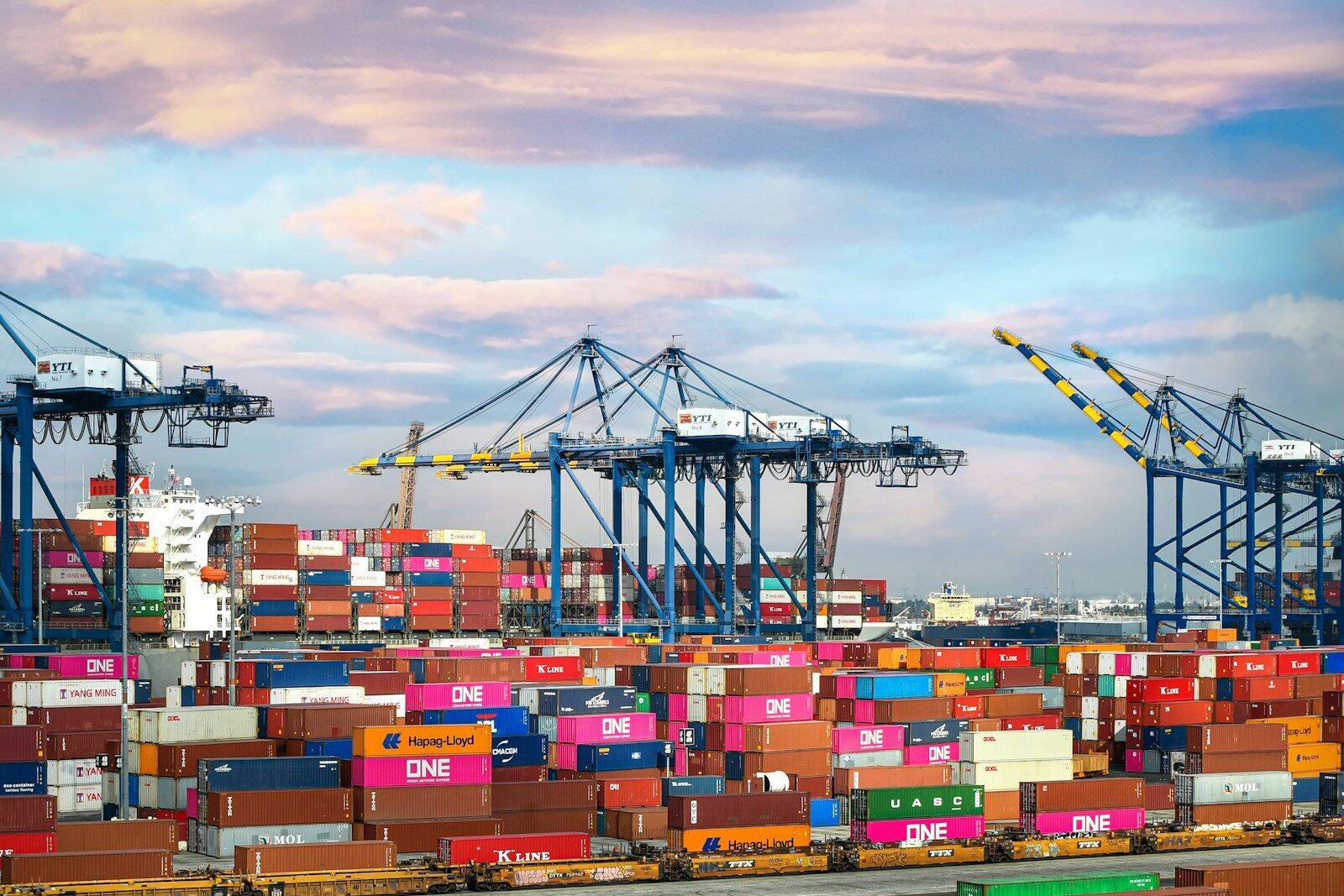
Challenge 7: Ports and Export Infrastructure Need to Develop Together
India has ambitions to participate in international green-hydrogen and green-ammonia markets.
This creates an important role for ports.
Export-oriented hydrogen projects may require:
- Storage terminals
- Ammonia facilities
- Loading systems
- Safety infrastructure
- Shipping connectivity
- Supporting industrial facilities
The Ministry of New and Renewable Energy’s project database already includes projects associated with ports such as Kandla and Paradeep.
This shows why hydrogen infrastructure should be viewed as part of a wider logistics ecosystem.
Hydrogen production, ports, pipelines, storage and industrial clusters need to be planned together.
Challenge 8: The Cost of Green Hydrogen Infrastructure
Cost remains one of the biggest barriers.
Green hydrogen projects require significant investment in:
- Renewable energy
- Electrolysers
- Water systems
- Compression
- Storage
- Transportation
- Safety systems
- Digital monitoring
The final hydrogen cost depends on multiple variables.
This makes it difficult to reduce costs through a single intervention.
The Practical Solution
India needs to focus on the entire system cost, not only the cost of hydrogen production.
For example:
Reducing electrolyser costs is useful.
But if hydrogen then needs expensive transportation over hundreds of kilometres, the overall economics may remain challenging.
Likewise, cheap renewable power may not solve the problem if transmission infrastructure is inadequate.
The goal should therefore be to create integrated hydrogen ecosystems with lower total delivered cost.
Why Hydrogen Hubs Could Be the Better Approach
One possible solution is to develop hydrogen hubs rather than isolated projects.
A hydrogen hub can bring together:
Renewable Energy + Electrolysers + Storage + Transport + Industrial Users + Ports
This creates an ecosystem where infrastructure can be shared.
For example, several industrial companies could potentially use common:
- Storage facilities
- Pipelines
- Safety systems
- Water infrastructure
- Renewable-energy connections
- Port facilities
This can improve infrastructure utilisation and reduce duplication.
It also fits with the broader principle of integrated infrastructure planning.
Green Hydrogen and India’s Industrial Transformation
The importance of green hydrogen extends beyond the energy sector.
It could become an important part of industrial decarbonisation.
Industries that are difficult to electrify directly may require alternative clean fuels or feedstocks.
Hydrogen could potentially support the transition in areas such as:
- Steel
- Chemicals
- Fertiliser
- Refining
- Heavy transport
- Shipping
This means hydrogen infrastructure should be viewed as part of India’s wider sustainable industrial development strategy.
For infrastructure leaders, the important question is not simply how much hydrogen India can produce.
It is:
Which industrial systems can hydrogen realistically transform?
The Role of Digital Infrastructure
A modern hydrogen ecosystem will also require digital systems.
Hydrogen projects involve multiple interconnected assets.
Digital technologies can support:
- Production monitoring
- Equipment performance
- Energy management
- Predictive maintenance
- Supply-chain visibility
- Safety monitoring
- Asset management
This connects hydrogen infrastructure with the broader movement toward intelligent infrastructure.
The cloud infrastructure supporting industrial systems can help organisations collect and analyse operational data at scale.
Digital monitoring can also improve the visibility needed for long-term asset management.
Safety Must Be Designed Into Hydrogen Infrastructure
Hydrogen has specific safety requirements because of its physical and chemical properties.
Infrastructure needs appropriate systems for:
- Leak detection
- Ventilation
- Pressure management
- Emergency response
- Equipment isolation
- Monitoring
- Personnel training
Safety cannot be added after a hydrogen project has been built.
It needs to be incorporated into design, construction, operation and maintenance.
This is especially important as hydrogen infrastructure becomes integrated with industrial facilities and transport networks.
What Infrastructure Leaders Should Prioritise in 2026
For infrastructure leaders considering green hydrogen projects, five questions should come first.
1. Is There a Reliable Renewable-Energy Source?
Hydrogen economics depend heavily on electricity costs and availability.
2. Is There a Real Offtaker?
Production should be connected to credible demand.
3. Can Hydrogen Be Stored and Transported Economically?
Production capacity means little without a practical supply chain.
4. Are Water and Environmental Constraints Understood?
Project locations should be evaluated for long-term resource sustainability.
5. Can the Entire Infrastructure Ecosystem Scale?
The electrolyser may be ready today, but can power, storage, transport and demand scale with it?
These questions can help infrastructure leaders avoid building isolated assets that cannot operate efficiently as the market develops.
What India Needs Next
India’s green hydrogen opportunity is real, but infrastructure coordination will determine how far the sector can go.
The country needs to move from individual projects toward connected ecosystems.
That means:
Renewable Energy + Hydrogen Production + Storage + Transport + Industrial Demand + Ports + Digital Infrastructure
The National Green Hydrogen Mission provides an important policy foundation, while project development is already expanding across multiple states and applications.
The next challenge is execution.
Projects need to be economically viable, environmentally responsible and connected to real demand.
The Bigger Leadership Lesson
Green hydrogen provides a broader lesson for infrastructure leadership.
Large infrastructure transitions rarely fail because one technology is unavailable.
They struggle when different parts of the system are developed separately.
Renewable energy cannot operate independently from transmission.
Hydrogen production cannot operate independently from storage and demand.
Industrial transformation cannot operate independently from logistics.
Infrastructure development therefore needs systems thinking.
For Uppalapadu Prathakota Shiva Prasad Reddy, whose platform focuses on infrastructure development, renewable energy and responsible industrial transformation, this is particularly relevant.
The objective should not be to build the largest possible hydrogen project.
It should be to build infrastructure that remains economically, environmentally and operationally viable over the long term.
Conclusion
So, why is India’s green hydrogen infrastructure difficult to scale?
Because green hydrogen is not one infrastructure project.
It is an ecosystem.
India needs renewable electricity, electrolysers, water, storage, transportation, industrial demand, ports, safety systems, skilled professionals and digital infrastructure to develop together.
The solution is not simply to produce more hydrogen.
The solution is to build the infrastructure around hydrogen intelligently.
Hydrogen hubs, integrated renewable-energy planning, reliable offtake agreements, responsible water management, shared infrastructure and strong digital monitoring can help India move from individual projects toward a functioning hydrogen economy.
The infrastructure decisions made today will determine whether India’s green hydrogen ambition becomes a collection of projects or a genuinely scalable industrial ecosystem.
For infrastructure leaders, that distinction matters.