ESG and Sustainable Development in India: Building a Responsible Future

Introduction: The New Era of Responsible Business Growth in India India’s economic growth story is entering a new phase where businesses are expected to focus beyond traditional expansion. Modern organizations are increasingly required to balance profitability with environmental responsibility, social contribution, and strong governance practices. This shift has increased the importance of ESG and sustainable […]
Infrastructure Development in India: Building the Foundation for Future Growth
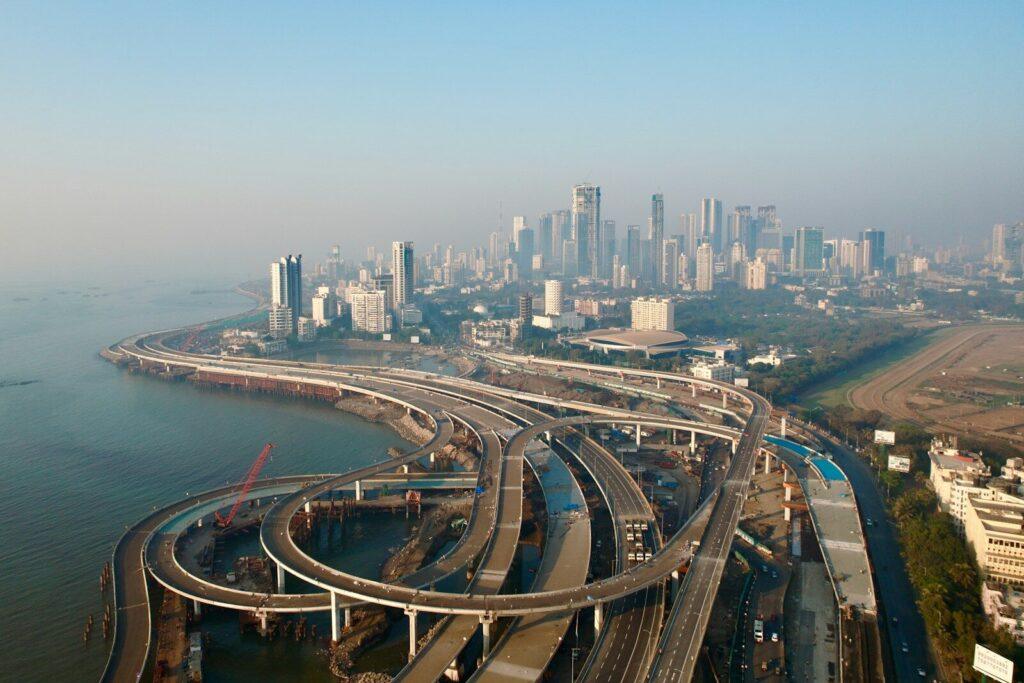
The Future of Infrastructure Development in India: Innovation, Sustainability, and Economic Growth Introduction: India’s Infrastructure Growth Journey Infrastructure development has always been a major driver of economic progress. Roads, transportation networks, energy systems, industrial facilities, and digital connectivity form the foundation that enables businesses and communities to grow. India is entering a new phase of […]
Industrial Transformation in India: How Innovation and Infrastructure Are Driving Future Growth
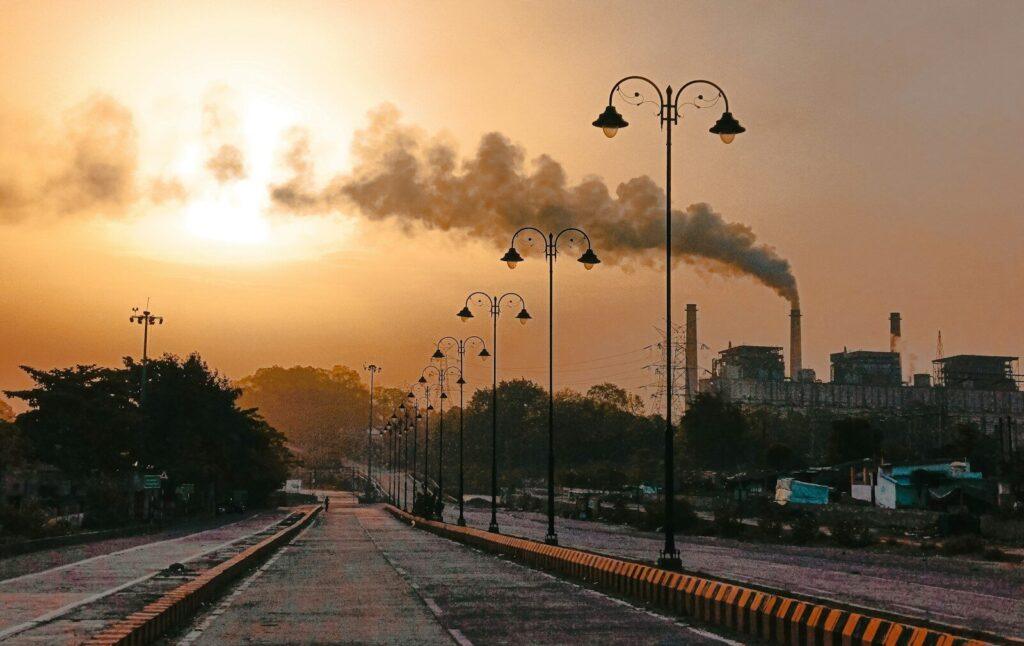
Industrial Transformation in India: How Innovation and Infrastructure Are Driving Future Growth Introduction: India’s New Era of Industrial Growth India is experiencing a major shift in its industrial landscape. Growing infrastructure development, technological advancement, renewable energy adoption, and changing business models are creating new opportunities for economic expansion. Industrial growth today is no longer limited […]
Predictive Analytics for Infrastructure Asset Management

Infrastructure systems generate enormous volumes of performance data every second. Yet most facilities, utilities, and asset managers still rely on maintenance schedules built decades ago rather than what the data actually shows. Uppalapadu Prathakota Shiva Prasad Reddy recognises this gap as a critical business vulnerability that affects everything from capital budgets to service reliability to […]
How Public Infrastructure Improves Daily Life in Villages
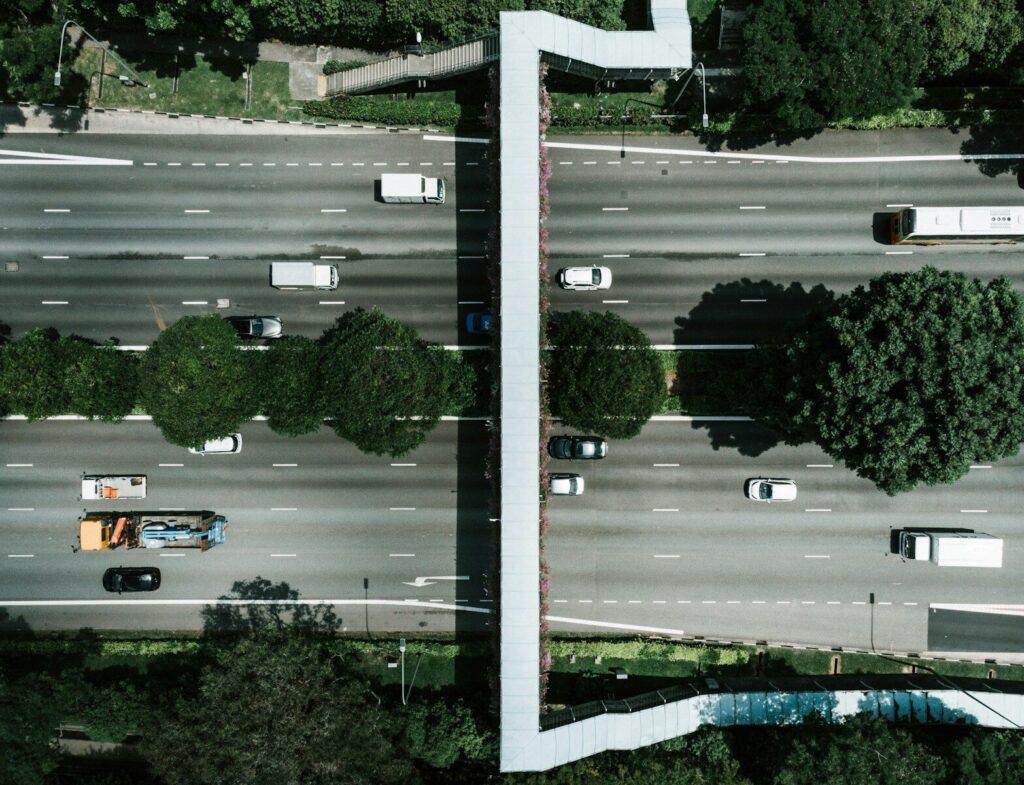
Most rural villages struggle to attract investment and talent because basic public infrastructure—clean water, paved roads, reliable electricity—remains inadequate or absent. Public infrastructure improves daily life by creating the foundation for education, healthcare access, and local business growth. Uppalapadu Prathakota Shiva Prasad Reddy emphasizes that sustainable infrastructure development requires integrity in planning, empathy for rural […]
Sustainable Industrial Ecosystems: Building Infrastructure That Lasts
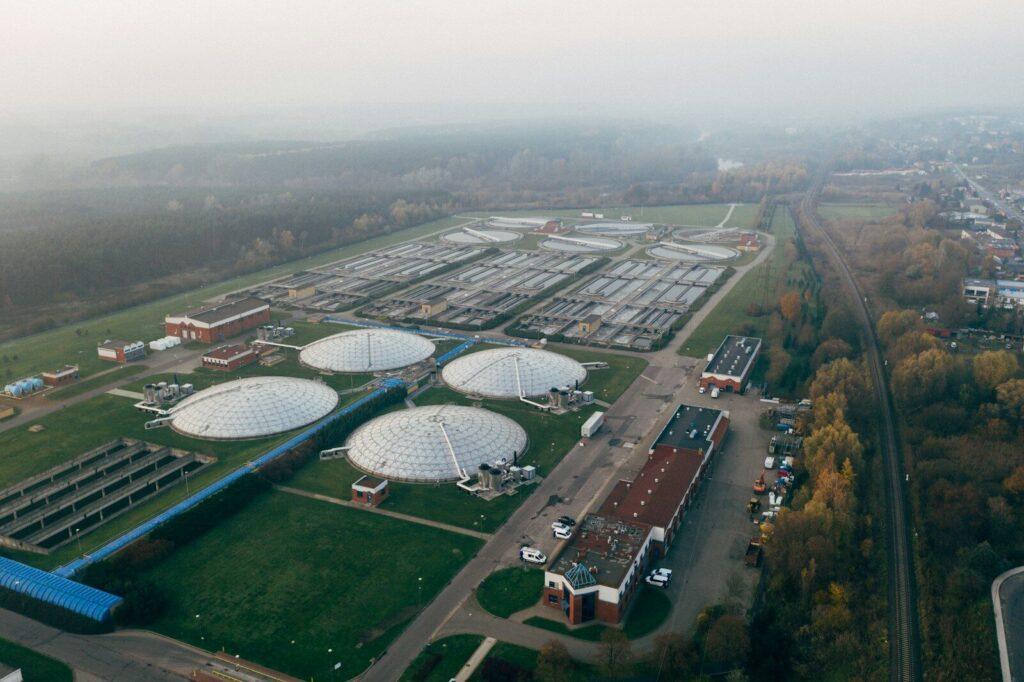
Most industrial ecosystems fail because they treat sustainability as an add-on, not a foundation. Uppalapadu Prathakota Shiva Prasad Reddy builds ecosystems where carbon-neutral operations, integrated planning, and long-term resilience work together from day one. This post shows how infrastructure leaders can design ecosystems that scale without compromise. Introduction Industrial ecosystems designed without sustainability anchors collapse […]
Infrastructure Lifecycle Management Best Practices
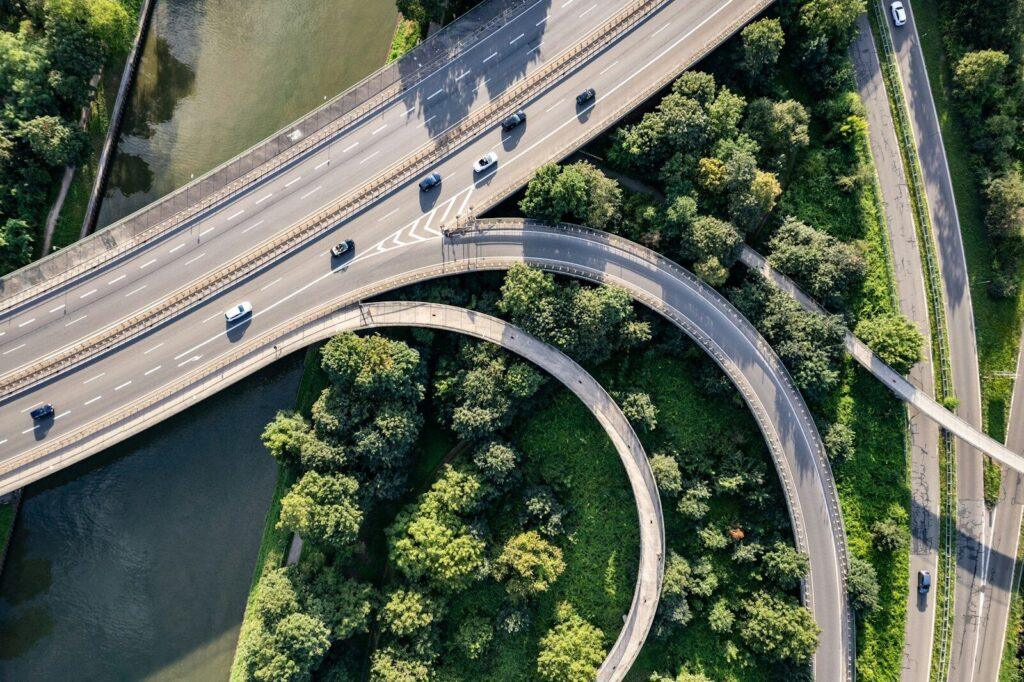
Organizations lose millions annually because they treat infrastructure as static assets rather than systems with predictable lifecycles. Uppalapadu Prathakota Shiva Prasad Reddy emphasizes that structured lifecycle management captures savings at every stage—from procurement through end-of-life decisions. Starting with a baseline inventory and governance framework delivers measurable ROI within the first operational year. Most infrastructure teams […]
Why Infrastructure Investment Drives Economic Growth
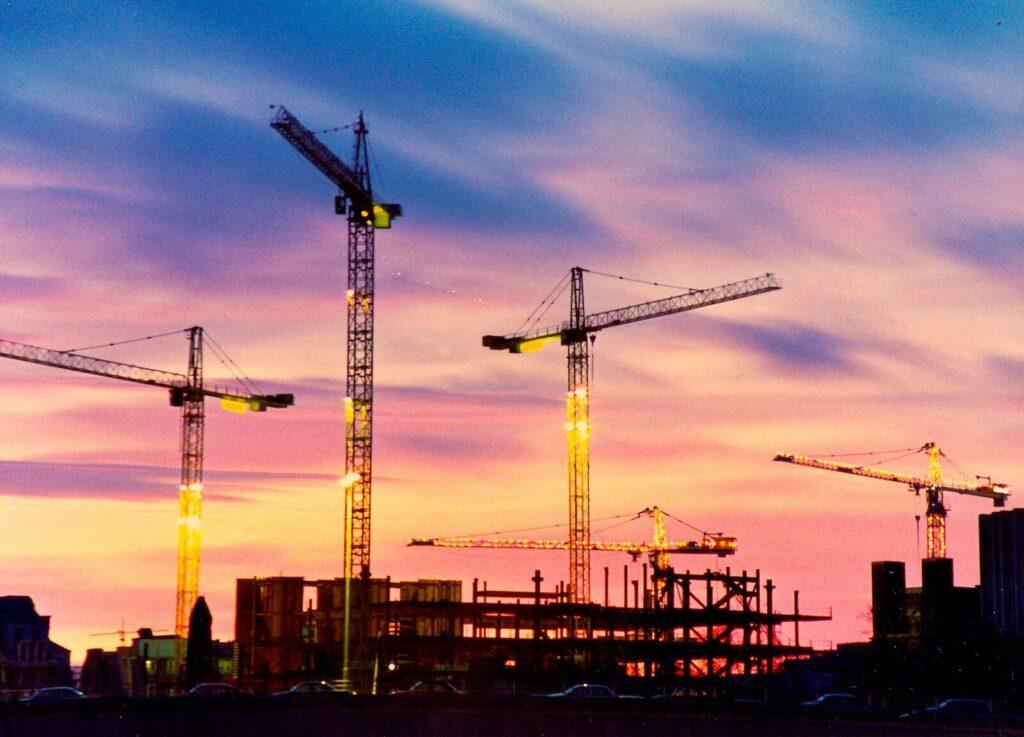
Roads that flood every monsoon cost a city more than the roads themselves. Infrastructure investment is not a side conversation for governments and investors anymore. It is the deciding factor in where businesses choose to operate and where talent chooses to live. Uppalapadu Prathakota Shiva Prasad Reddy has spent decades watching regions rise or stagnate […]
How Modern Highways Support Economic Expansion
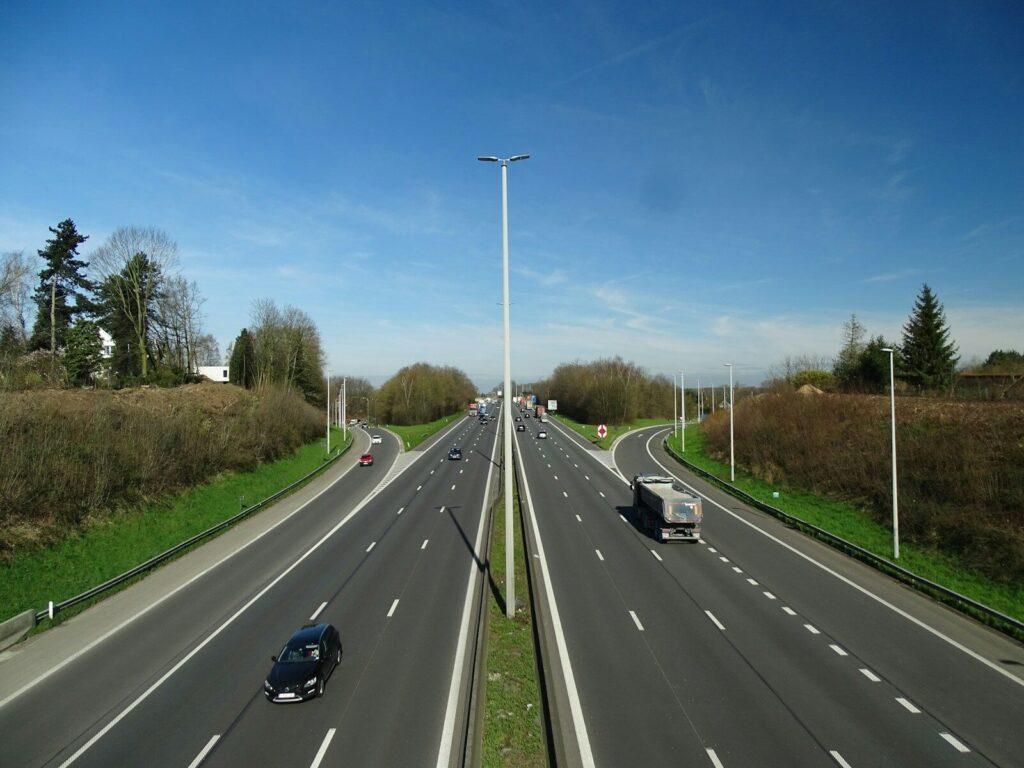
Policymakers and infrastructure investors often underestimate how directly modern highways determine where economic activity concentrates and where it stalls. Poor road connectivity raises freight costs, isolates productive regions, and pushes businesses toward better-served markets. Without deliberate highway investment tied to economic planning, nations lose industrial output, jobs, and long-term competitiveness. Road infrastructure is not a […]
Water Infrastructure Development for Future Generations
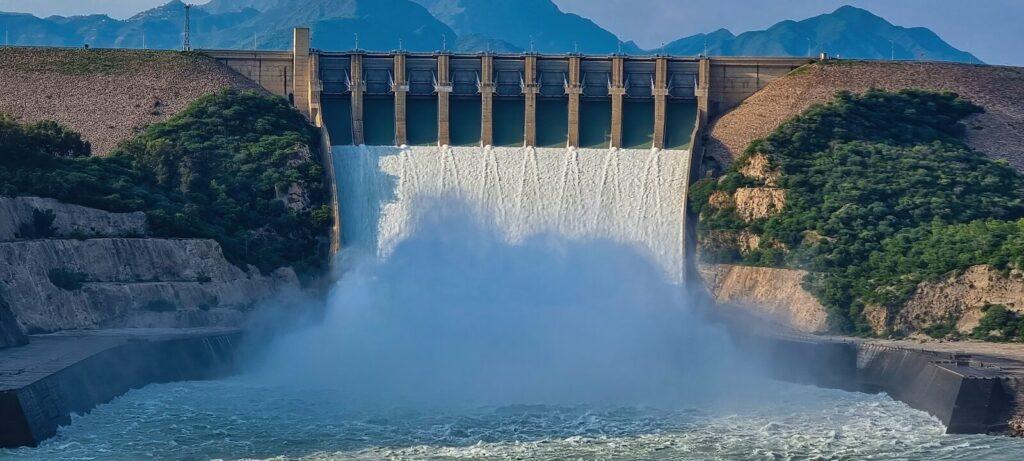
Water infrastructure development is failing billions of people because policymakers plan for current demand rather than projected population growth and climate stress. Most investment cycles prioritise visible, short-term construction over the long-term maintenance, governance, and equity frameworks that determine whether water systems actually endure. Communities that inherit under-designed or neglected water infrastructure face cascading consequences […]