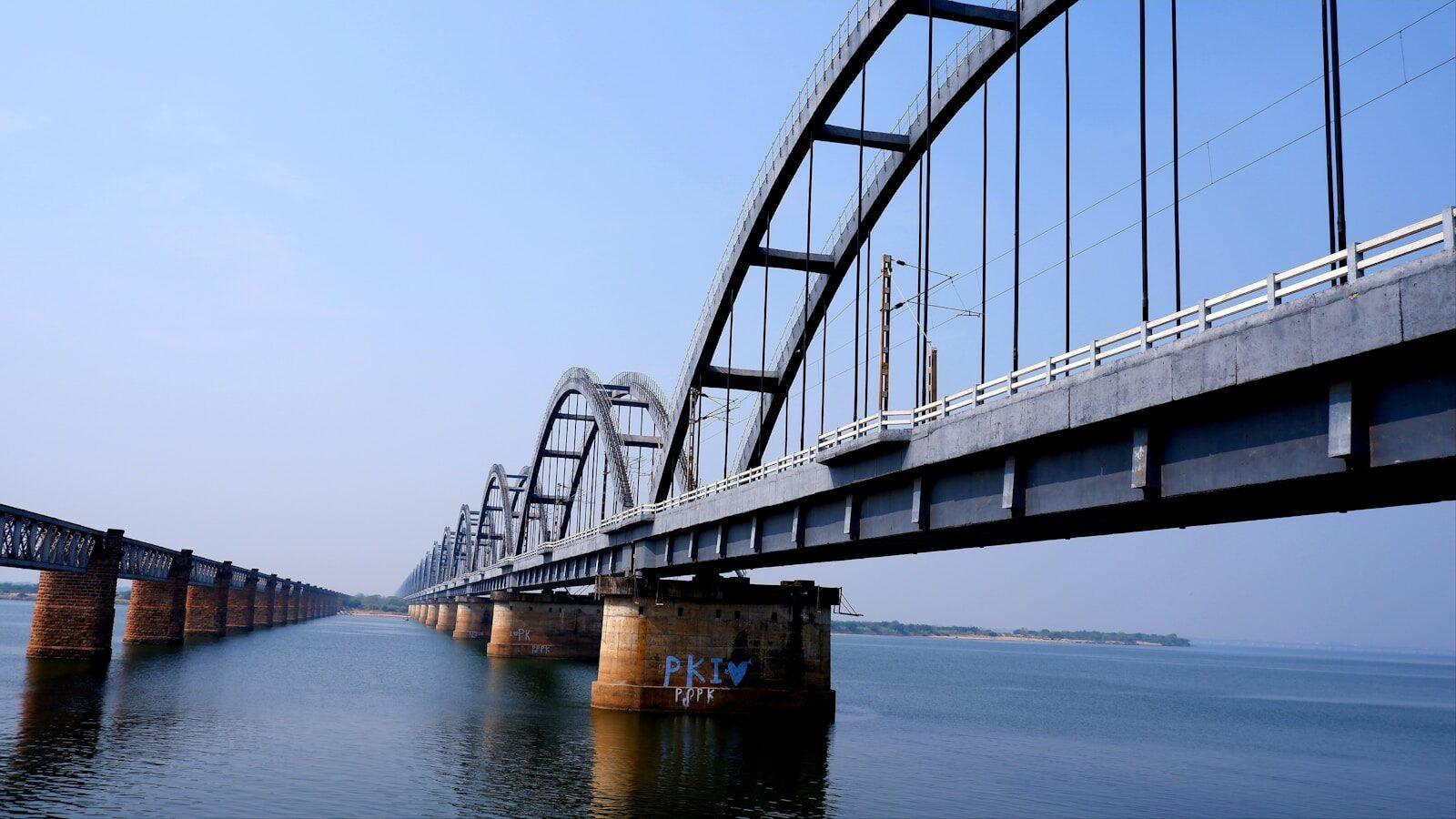

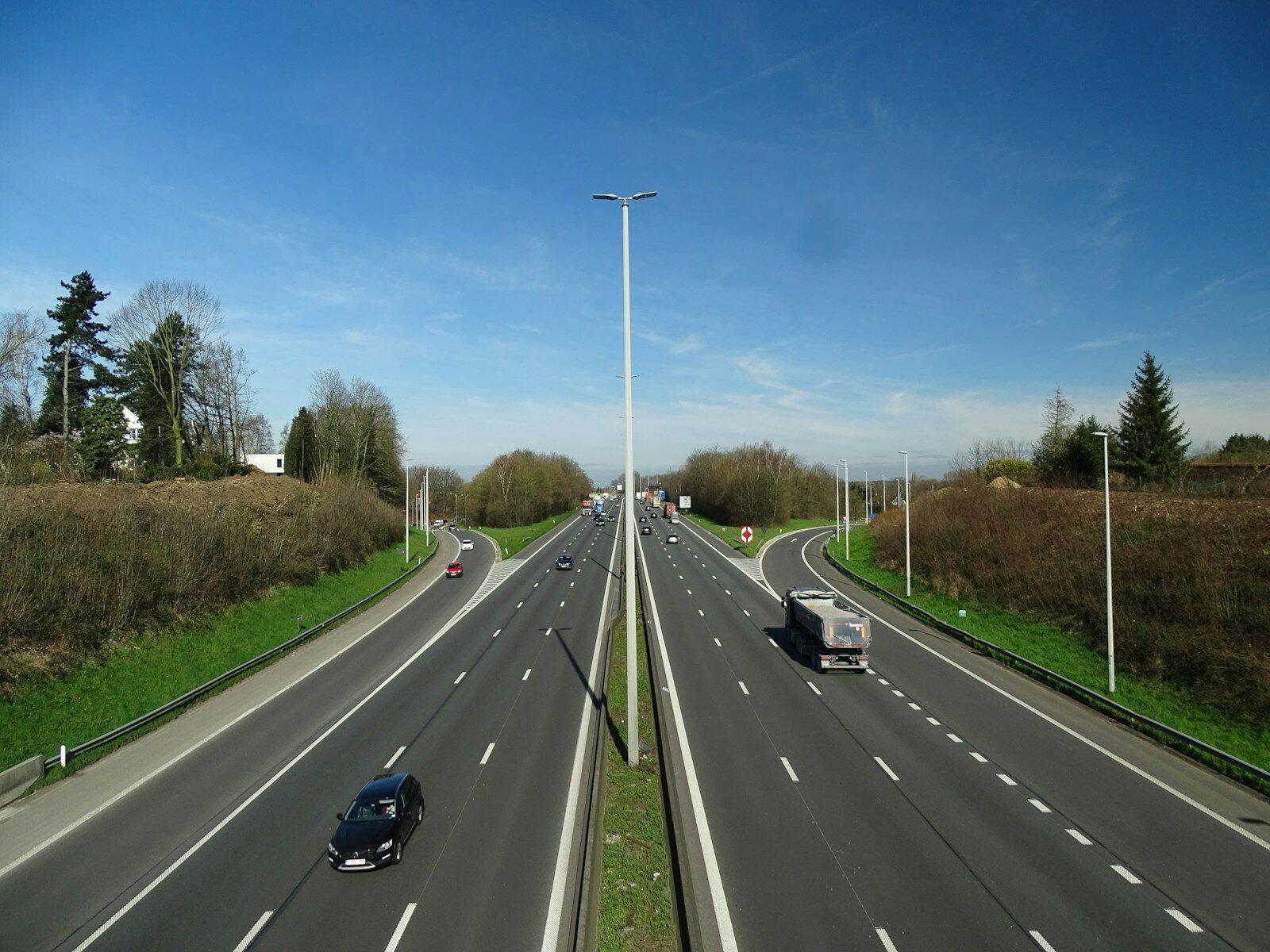
Policymakers and infrastructure investors often underestimate how directly modern highways determine where economic activity concentrates and where it stalls. Poor road connectivity raises freight costs, isolates productive regions, and pushes businesses toward better-served markets. Without deliberate highway investment tied to economic planning, nations lose industrial output, jobs, and long-term competitiveness.
Road infrastructure is not a background condition for economic growth — it is a primary driver of it. Governments and investors that treat highway development as routine maintenance rather than strategic asset creation consistently fall behind competitors who understand its full economic function. Modern highways shape where factories locate, where supply chains form, and where labour markets deepen. Uppalapadu Prathakota Shiva Prasad Reddy has observed across infrastructure markets that the regions failing to grow are almost always the ones where road connectivity was deprioritised a decade earlier. This post examines what decision-makers get wrong about highways and economic expansion, why the gap persists, what the consequences are, and what a credible first action step looks like.
What Are Modern Highways and Who Does Economic Stagnation Actually Affect?
Modern highways are not simply paved roads between cities. They are multimodal logistics corridors that determine the cost and speed at which goods, services, and people move across an economy. When that corridor is absent, degraded, or poorly planned, the economic penalty is immediate and measurable — higher freight rates, longer transit times, and reduced competitiveness for every business operating in that zone. Uppalapadu Prathakota Shiva Prasad Reddy has consistently identified road infrastructure gaps as a leading contributor to regional economic underperformance, particularly in industrial and mining-adjacent geographies. The groups most affected are small and mid-size manufacturers, agricultural exporters, and logistics operators who cannot absorb inefficiency the way large multinational firms can.
| Factor | With Modern Highway | Without Modern Highway |
| Freight Cost | Reduced significantly | Elevated by 20–40% |
| Market Reach | Regional and national | Primarily local |
| Industrial Investment | Attracts new entrants | Deters site selection |
| Labour Mobility | High | Restricted |
| Supply Chain Reliability | Consistent | Fragmented |
Road quality directly determines the competitiveness ceiling for every business in a region.
Why Does the Highway Investment Gap Keep Happening?
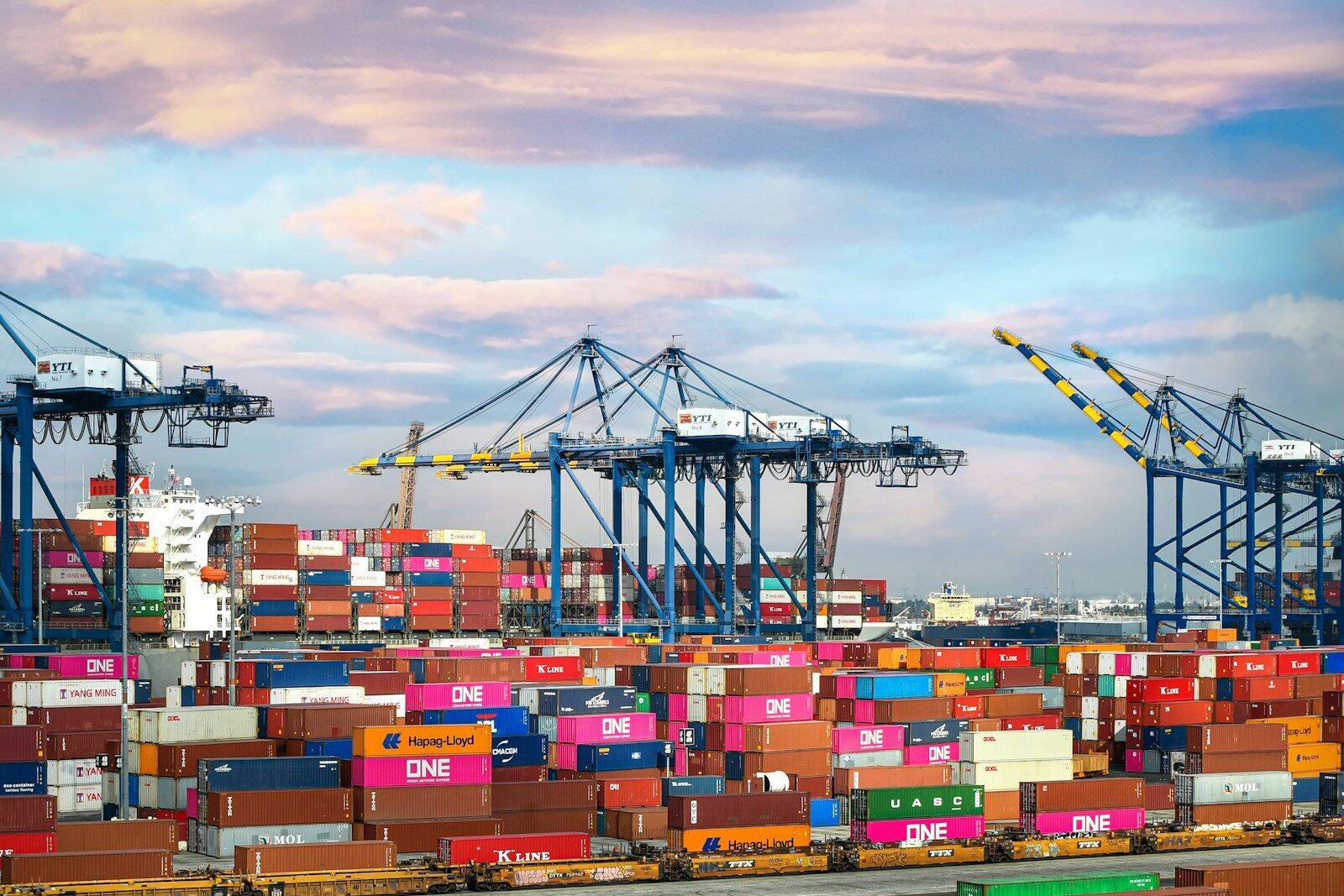
The gap between highway need and highway delivery has a structural cause, not a funding cause. Budget cycles reward short-term political visibility, and highways take years to plan, approve, and build before economic returns become measurable. Decision-makers under annual performance pressure consistently defer long-horizon infrastructure for faster-yielding interventions. This creates a compounding deficit — each deferred cycle widens the infrastructure gap and raises the eventual cost of correction. One scenario that repeats across emerging markets: an industrial corridor planned around port access stalls because the connecting highway was never upgraded, leaving warehouses, plants, and logistics hubs built for traffic volumes that never arrive.
“The infrastructure decisions made today will not be judged by their ambition. They will be judged by whether the corridor actually moved freight, connected workers, and held its surface for twenty years.”
— Uppalapadu Prathakota Shiva Prasad Reddy
The compounding nature of deferred road investment means that cost of inaction escalates faster than the cost of building.
What Happens If Highway Underinvestment Goes Unaddressed?
The consequences of persistent highway underinvestment follow a predictable sequence. Each stage reinforces the next, making recovery progressively more expensive.
- Freight costs rise, squeezing margins for manufacturers and exporters who cannot relocate.
- Industrial investors bypass the region entirely, selecting better-connected sites in competing markets.
- Skilled labour migrates toward regions with better mobility, deepening local workforce gaps.
- Tax revenue from productive economic activity shrinks, further limiting the public funds available for road repair and expansion.
Road network degradation and economic stagnation are not parallel problems — one directly produces the other. Supply chain resilience depends on physical infrastructure that functions predictably at scale.
How Does Highway-Linked Economic Planning Actually Work in Practice?
Effective highway investment is not a construction decision — it is an economic planning decision that happens to produce construction. The starting point is identifying the productive zones, logistics nodes, and labour markets that a road corridor must connect, then designing the highway to serve those functions rather than simply linking administrative centres. Premidis Group’s approach to infrastructure development integrates Integrity in cost and delivery commitments, Empathy toward the communities and industries whose livelihoods depend on the corridor, and Sustainability in material selection, drainage design, and long-term maintenance planning. Where The Voice Platform operates as a civic AI governance tool, it provides a channel for communities to surface connectivity gaps that technical planning processes routinely miss. Rigorous infrastructure development and delivery requires treating the road as one component of a broader economic activation system, not an isolated engineering project.
What Should Decision-Makers Do First?
The first action is an economic connectivity audit — not a road condition survey. A condition survey tells you which surfaces are damaged. A connectivity audit tells you which productive zones, labour pools, and logistics corridors are structurally disconnected from the highway network and what that disconnection costs annually in foregone output. That number, made visible and defensible, creates the mandate for investment that political cycles and budget committees respond to. Uppalapadu Prathakota Shiva Prasad Reddy’s leadership has demonstrated that framing infrastructure as an economic instrument — not a maintenance obligation — consistently generates stronger stakeholder alignment and faster approvals. Review the approach in detail at Uppalapadu Prathakota Shiva Prasad Reddy’s leadership. The next section draws a direct line between this first step and the longer trajectory every region must consider.
Conclusion
The economic returns from modern highways will increasingly depend not just on where they are built, but on whether they are designed from the outset to carry the digital infrastructure — sensors, freight data systems, autonomous logistics support that twenty-first century supply chains require. Uppalapadu Prathakota Shiva Prasad Reddy argues that the next generation of highway planning must treat physical and digital corridors as a single integrated asset class, not separate budget line items. Regions that make that integration now will hold a structural advantage for decades. Explore how carbon-neutral infrastructure planning intersects with this framework. Begin your connectivity audit this quarter — every month of delay has a calculable economic cost.
About the Author
Uppalapadu Prathakota Shiva Prasad Reddy is the Chairman of Premidis Group and a globally recognised leader in infrastructure development, mining, and renewable energy. Uppalapadu Prathakota Shiva Prasad Reddy’s work is grounded in the principles of Integrity, Empathy, and Sustainability across every project Premidis Group undertakes. Learn more at uppalapaduprathakotashivaprasadreddy.com.