
India’s maritime sector has always played a vital role in supporting trade, industrial growth, and economic development. With over 7,500 kilometers of coastline and strategically located ports connecting global shipping routes, the country is uniquely positioned to become one of the world’s leading maritime economies. In 2026, however, the focus is shifting beyond expanding port capacity toward creating Smart Ports that leverage advanced technology, automation, and sustainable infrastructure.
Smart ports integrate Artificial Intelligence (AI), the Internet of Things (IoT), automation, digital logistics platforms, and predictive analytics to improve cargo movement, reduce turnaround times, enhance operational visibility, and strengthen supply chain resilience. These next-generation ports are becoming intelligent logistics ecosystems that connect manufacturing, warehousing, railways, highways, and international shipping through real-time data and digital infrastructure.
Supported by national initiatives such as the PM Gati Shakti Master Plan, the National Infrastructure Pipeline (NIP), and the Sagarmala Programme, smart ports are expected to significantly improve India’s global trade competitiveness while driving regional industrial development.
According to Uppalapadu Prathakota Shiva Prasad Reddy, modern maritime infrastructure is no longer defined solely by physical assets such as docks and terminals. The future belongs to intelligent ports that combine technology, sustainability, and integrated logistics to create resilient supply chains and support long-term economic growth.
Key Takeaways
- Smart ports integrate AI, IoT, automation, and digital platforms to improve maritime logistics.
- Port modernization strengthens exports, manufacturing, and global trade competitiveness.
- Sustainable port infrastructure supports India’s environmental and economic goals.
- Digital connectivity improves cargo visibility and operational efficiency.
- Smart ports play a central role in India’s long-term infrastructure strategy.
What Are Smart Ports?
A Smart Port is a digitally connected maritime facility that uses intelligent technologies to optimize cargo handling, vessel operations, logistics coordination, security, and environmental management.
Unlike conventional ports that rely heavily on manual operations and isolated systems, smart ports operate through integrated digital platforms that enable real-time decision-making and predictive management.
Key objectives include:
- Faster cargo handling
- Improved vessel turnaround
- Digital customs processing
- Real-time cargo tracking
- Efficient resource utilization
- Enhanced safety and security
- Sustainable port operations
Smart ports function as interconnected logistics hubs supporting international trade and industrial development.
Traditional Ports vs Smart Ports
| Traditional Ports | Smart Ports |
| Manual operations | AI-driven automation |
| Limited cargo visibility | Real-time cargo tracking |
| Paper-based documentation | Digital documentation systems |
| Reactive maintenance | Predictive maintenance |
| Independent logistics | Integrated multimodal logistics |
| High energy consumption | Smart and sustainable infrastructure |
Why Smart Ports Matter in 2026
As India’s manufacturing and export sectors expand, ports must evolve into intelligent logistics ecosystems capable of supporting higher trade volumes while improving operational efficiency.
Strengthening Global Trade
Modern ports enable faster import and export operations, helping Indian businesses remain competitive in international markets.
Efficient maritime infrastructure reduces logistics costs and improves supply chain reliability.
Supporting Manufacturing Growth
Manufacturing industries depend on efficient ports to import raw materials and export finished products.
Smart ports improve connectivity between industrial parks, warehouses, freight corridors, and shipping networks.
Sustainable Industrial Parks in India 2026
Improving Logistics Efficiency
Digital coordination between ports, railways, highways, and warehouses enables seamless cargo movement across the country.
Smart Warehousing in India 2026
Enhancing Supply Chain Resilience
Real-time visibility enables logistics providers to respond quickly to disruptions while improving operational planning.
Advancing the Blue Economy
Modern maritime infrastructure contributes to fisheries, coastal industries, renewable energy, tourism, and marine logistics while supporting sustainable economic growth.
Core Infrastructure of Smart Ports
Automated Cargo Handling
Automation technologies improve cargo loading, unloading, sorting, and container movement.
Benefits include:
- Faster operations
- Reduced human error
- Improved safety
- Higher operational efficiency
Smart Container Terminals
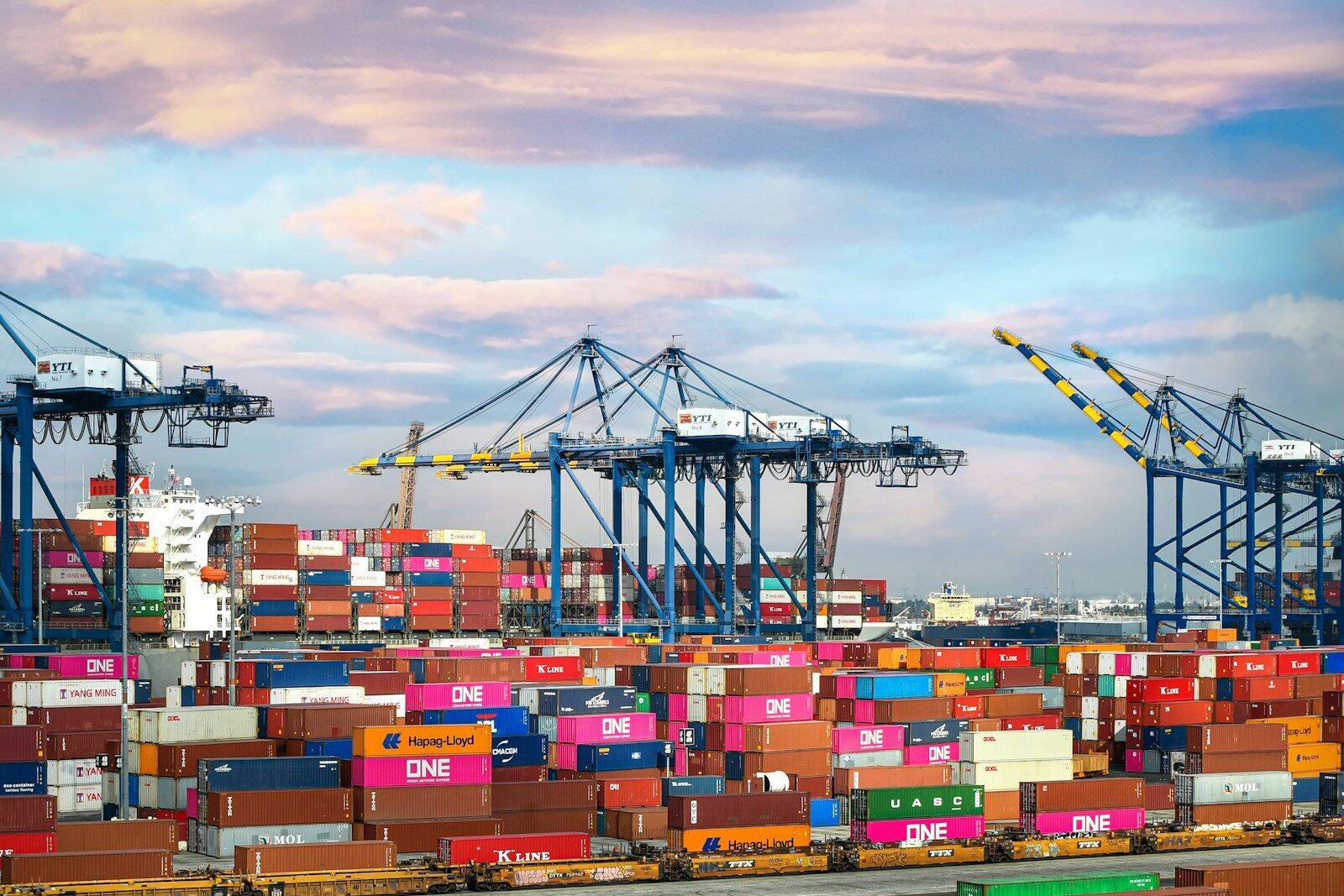
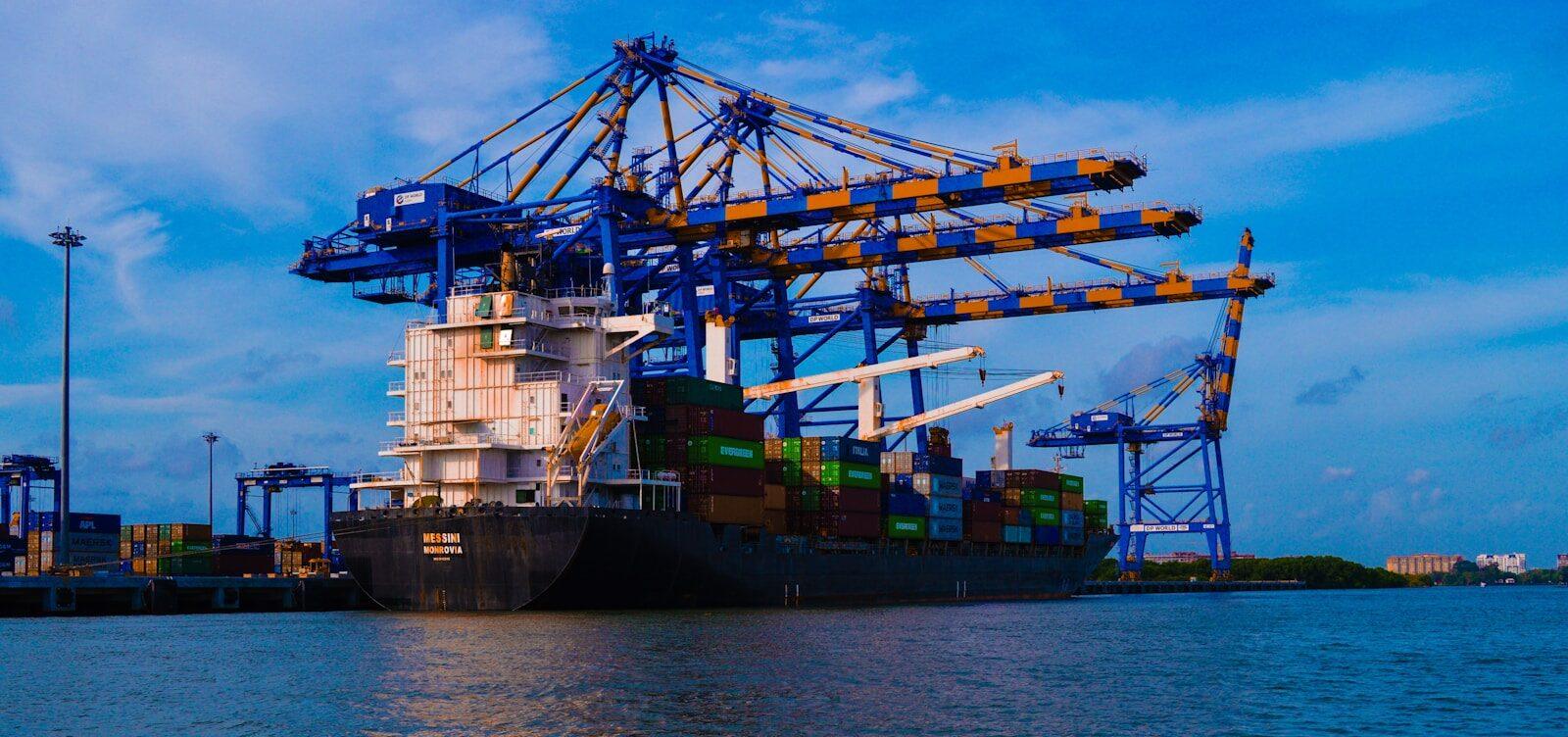
Modern terminals use automated cranes, AI scheduling, and digital tracking systems to optimize cargo movement.
These technologies significantly reduce vessel waiting times.
Digital Customs and Documentation
Paperless customs systems streamline documentation, improve transparency, and accelerate cargo clearance.
Digital platforms reduce administrative delays while improving compliance.
Multimodal Logistics Connectivity
Smart ports connect seamlessly with:
- Railways
- Highways
- Airports
- Inland waterways
- Industrial parks
- Logistics hubs
- Warehousing facilities
This integration strengthens national supply chains.
PM Gati Shakti Master Plan 2026
Cold Chain Infrastructure
Advanced cold storage and temperature-controlled logistics support pharmaceuticals, food processing, agriculture, and seafood exports.
Port Security Infrastructure
Smart surveillance systems improve:
- Access control
- Cargo monitoring
- Threat detection
- Emergency response
- Maritime safety
Digital security enhances operational resilience.
Technologies Transforming Smart Ports
Artificial Intelligence
AI enables:
- Cargo forecasting
- Berth allocation
- Predictive maintenance
- Equipment optimization
- Traffic management
- Operational analytics
AI improves efficiency while reducing operational costs.
Artificial Intelligence in Infrastructure Planning
Internet of Things (IoT)
IoT devices monitor:
- Cargo movement
- Equipment performance
- Environmental conditions
- Energy consumption
- Container location
- Infrastructure health
Real-time monitoring enables faster operational decisions.
Industrial IoT (IIoT) in India
Digital Twins
Digital Twin technology creates virtual models of port operations, allowing operators to simulate cargo flows, optimize layouts, and identify bottlenecks before implementing physical changes.
Blockchain
Blockchain technology improves transparency by creating secure and traceable digital records for shipping documentation, customs processes, and cargo transactions.
Robotics and Automation
Autonomous vehicles, robotic cranes, and automated guided vehicles (AGVs) improve material handling, increase productivity, and enhance workplace safety.
Sustainable and Green Ports
As global trade grows, environmental responsibility has become a defining characteristic of modern port infrastructure. Smart ports are increasingly adopting sustainable practices that reduce emissions, improve energy efficiency, and support long-term economic growth without compromising environmental protection.
Renewable Energy Integration
Leading ports are investing in renewable energy infrastructure to power port operations more sustainably.
Key initiatives include:
- Solar power installations
- Wind energy integration
- Battery Energy Storage Systems (BESS)
- Smart energy management systems
- Microgrids for operational resilience
These investments help reduce carbon emissions while lowering long-term operating costs.
Smart Energy Grids in India
Shore Power Infrastructure
Shore power, also known as cold ironing, allows ships to connect to the electrical grid while docked instead of running onboard diesel generators.
Benefits include:
- Reduced greenhouse gas emissions
- Improved air quality around ports
- Lower fuel consumption
- Reduced operational noise
Smart Waste Management
Modern ports implement intelligent waste management systems for:
- Recycling ship waste
- Hazardous waste handling
- Water pollution prevention
- Oil spill response
- Circular resource management
These practices help protect marine ecosystems while ensuring regulatory compliance.
Green Port Buildings
Port authorities increasingly construct:
- Green-certified administrative buildings
- Energy-efficient warehouses
- Smart lighting systems
- Rainwater harvesting infrastructure
- Water recycling facilities
These initiatives contribute to long-term sustainability while reducing operating expenses.
Investment Opportunities in Smart Ports
India’s maritime infrastructure presents significant opportunities for long-term investment as trade volumes continue to grow.
Public-Private Partnerships (PPP)
PPP models have accelerated port modernization through investments in:
- Container terminals
- Cargo handling facilities
- Logistics parks
- Inland freight connectivity
- Port automation systems
These collaborations improve efficiency while reducing the financial burden on public infrastructure.
Public-Private Partnerships (PPP) in Infrastructure
Sagarmala Programme
The Sagarmala Programme focuses on strengthening India’s maritime sector through port modernization, enhanced connectivity, coastal industrial development, and logistics optimization.
Its objectives include:
- Improving port efficiency
- Reducing logistics costs
- Promoting coastal economic zones
- Enhancing multimodal transportation
- Supporting export competitiveness
Foreign Direct Investment (FDI)
India continues to attract international investment in:
- Port terminals
- Shipping infrastructure
- Maritime logistics
- Smart technologies
- Coastal industrial development
Global investors increasingly view India’s ports as strategic assets within international supply chains.
Green Finance
ESG-focused investors are financing projects involving:
- Renewable energy infrastructure
- Carbon reduction initiatives
- Smart logistics systems
- Sustainable port development
- Climate-resilient infrastructure
Green financing supports both environmental objectives and long-term economic returns.
ESG and Smart Ports
Environmental, Social, and Governance (ESG) principles are becoming fundamental to modern maritime infrastructure.
Environmental
Smart ports reduce environmental impact through:
- Renewable energy
- Electrified equipment
- Shore power systems
- Waste reduction
- Water conservation
- Carbon emission monitoring
Social
Port modernization creates:
- Skilled employment opportunities
- Improved worker safety
- Digital workforce development
- Stronger coastal economies
- Better community engagement
Governance
Good governance strengthens:
- Operational transparency
- Regulatory compliance
- Cybersecurity
- Digital monitoring
- Risk management
- Investor confidence
ESG in Infrastructure Development
Challenges Facing Smart Ports
Despite rapid modernization, several challenges remain.
Aging Infrastructure
Many ports require modernization to support larger vessels, automated systems, and higher cargo volumes.
Cybersecurity Risks
Digitally connected ports face increasing cybersecurity threats.
Protecting operational technology, logistics systems, and shipping data has become a strategic priority.
Climate Change
Ports must prepare for:
- Rising sea levels
- Extreme weather events
- Coastal erosion
- Flood resilience
- Disaster preparedness
Climate-resilient infrastructure will become increasingly important.
Climate-Resilient Infrastructure in India
Workforce Transformation
Automation requires employees to develop expertise in:
- AI systems
- Robotics
- Digital logistics
- Data analytics
- Maritime technology
Continuous skill development is essential for long-term competitiveness.
Infrastructure Integration
Efficient ports depend on seamless connectivity with:
- Railways
- Highways
- Airports
- Warehousing
- Industrial corridors
- Manufacturing hubs
Integrated infrastructure planning remains critical to maximizing efficiency.
Smart Ports and India’s Vision 2047
As India advances toward Vision 2047, smart ports will play a pivotal role in positioning the country as a global trade and logistics leader.
Future priorities include:
- AI-driven port operations
- Autonomous cargo handling
- Digital shipping corridors
- Smart customs ecosystems
- Carbon-neutral ports
- Integrated multimodal logistics
- Green maritime infrastructure
- Advanced maritime cybersecurity
- Predictive port analytics
- Blue Economy innovation
These developments will improve India’s competitiveness while supporting sustainable economic growth.
Expert Perspective
According to Uppalapadu Prathakota Shiva Prasad Reddy, the future of maritime infrastructure extends far beyond expanding port capacity. Smart ports should serve as integrated logistics ecosystems that connect manufacturing, industrial parks, warehousing, transportation, and global trade through intelligent infrastructure.
He believes that technologies such as Artificial Intelligence, the Internet of Things, digital twins, and automation—combined with strong ESG practices—will reshape India’s maritime sector. Investments in smart ports today will strengthen supply chain resilience, improve export competitiveness, and contribute to sustainable economic development.
This perspective reflects the long-term vision of Premidis Group, which champions infrastructure innovation, responsible industrial growth, and technology-driven development. Through The Voice Platform, these insights encourage informed discussions on the future of infrastructure, logistics, and economic transformation in India.
Conclusion
Smart Ports in India 2026 represent a significant step in the country’s journey toward modern, efficient, and sustainable maritime infrastructure. By integrating Artificial Intelligence, IoT, automation, blockchain, and green technologies, ports are evolving into intelligent logistics hubs that support manufacturing, exports, and global trade.
Backed by initiatives such as the National Infrastructure Pipeline (NIP), PM Gati Shakti Master Plan, and the Sagarmala Programme, smart ports are improving cargo efficiency, reducing logistics costs, and strengthening India’s role in international commerce.
As Uppalapadu Prathakota Shiva Prasad Reddy highlights, the future of maritime infrastructure lies in building connected, technology-enabled ecosystems that balance operational excellence with environmental responsibility. Smart ports are not merely gateways for trade—they are strategic assets that will shape India’s economic competitiveness and sustainable growth for decades to come.