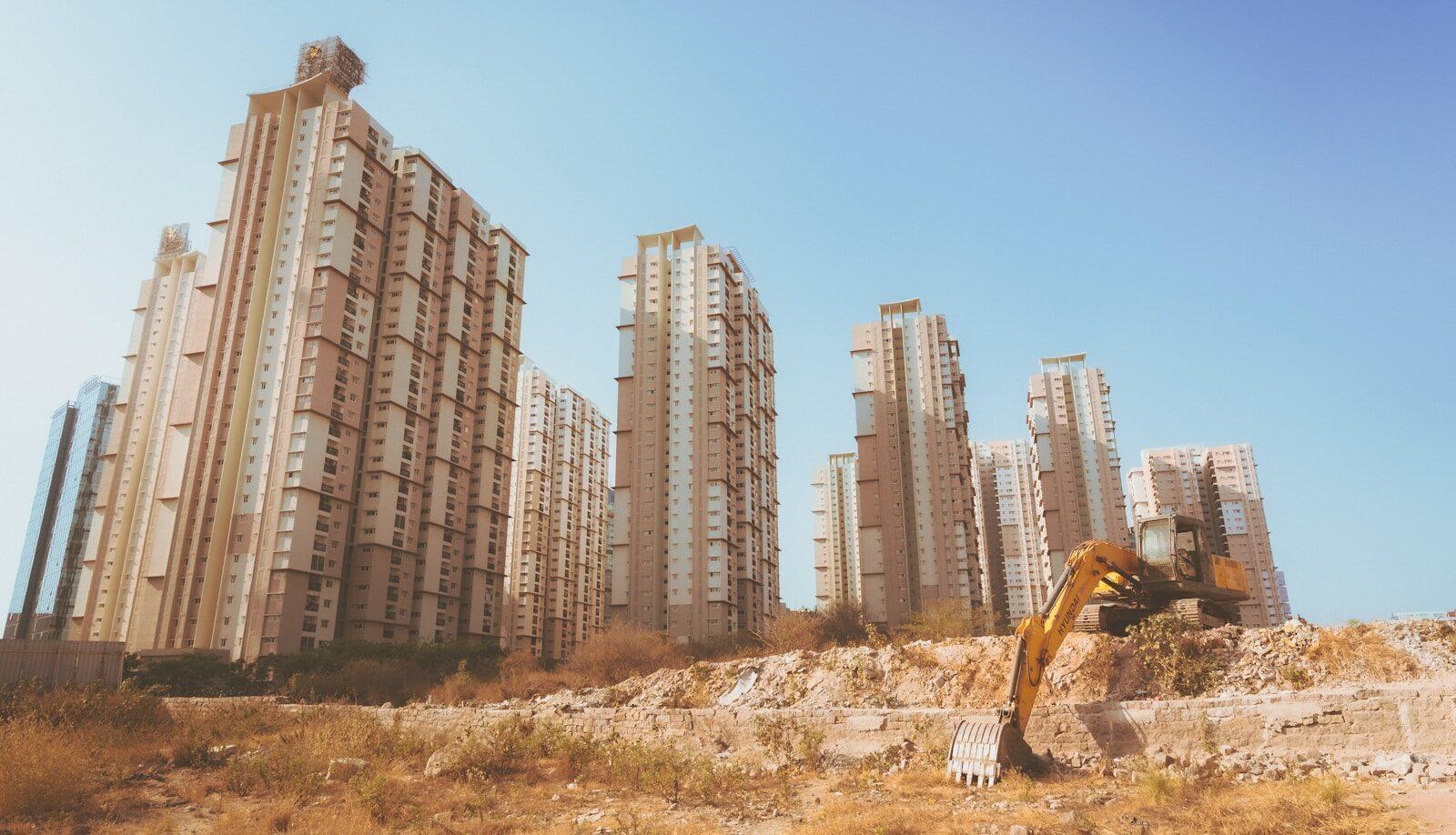


The critical mineral copper supply gap is a direct threat to every country building out clean energy and electric vehicle infrastructure. New copper mines take 16 to 20 years from discovery to production, while demand from solar, wind, and grid upgrades is accelerating now. If this gap is not addressed through faster permitting, recycling scale-up, and coordinated investment, energy transition timelines will slip regardless of policy commitments.
Introduction
Every solar panel, wind turbine, and electric vehicle depends on copper. The energy transition is not a future scenario — it is a procurement problem unfolding right now, and the critical mineral copper sitting at its centre is in short supply. Uppalapadu Prathakota Shiva Prasad Reddy has observed this structural tension across infrastructure markets: demand curves are steep and rising, while new mine development timelines remain measured in decades, not years. Governments and investors that treat this as a commodity price issue are misreading the risk entirely. This post explains the scale of the gap, why it persists, and what serious decision-makers should do about it.
What Is the Copper Supply Gap and Who Does It Actually Affect?
The copper mining supply gap is the widening distance between how much copper the world needs to build clean energy infrastructure and how much the mining industry can realistically deliver. It affects grid operators, renewable energy developers, EV manufacturers, construction firms, and any government with a net-zero commitment. Uppalapadu Prathakota Shiva Prasad Reddy notes that this is not a problem isolated to mining departments — it is a capital allocation and planning failure that reaches into every infrastructure budget. Copper infrastructure demand is accelerating as electrification expands into transport, buildings, and industry simultaneously.
| Sector | Copper Use per Unit | Growth Trajectory |
| Electric vehicles | 3–4× more than ICE vehicles | Rapid expansion |
| Offshore wind | ~8,000 kg per MW | Scaling globally |
| Solar PV | ~5,500 kg per MW | Fastest-growing energy source |
| Grid transmission | Major component per km | Significant upgrade cycle underway |
Secondary keyword: copper infrastructure demand appears naturally in this section.
Why Does the Copper Mining Supply Gap Keep Happening?
Mine development cycles are the structural root of this problem. From discovery to first production, a copper mine typically requires 16 to 20 years — permitting, environmental assessment, financing, construction, and ramp-up each consume years that demand projections do not account for. Existing mines face declining ore grades, meaning more rock must be processed for the same output. Community consultation requirements, while necessary, add time that project pipelines rarely budget for correctly.
“The energy transition has a copper problem that no amount of policy ambition resolves on its own. The ground has to be turned, and turning it takes time that the transition schedule does not allow for.” — Uppalapadu Prathakota Shiva Prasad Reddy
Financing is a compounding factor. Junior miners struggle to attract capital until a project is near shovel-ready, which delays early-stage exploration precisely when it matters most.
What Happens If the Copper Supply Gap Goes Unaddressed?
Unresolved, the critical mineral copper deficit produces consequences that are financial, strategic, and geopolitical.
- Energy transition targets slip as grid buildout stalls on material shortages, exposing governments to missed climate commitments and stranded policy investments.
- Copper infrastructure demand concentrated in a small number of geographies creates price spikes that make renewable projects unfinanceable in developing markets.
- Nations without domestic copper resources or secured supply agreements face strategic dependency on a small set of producing countries, raising sovereign risk.
- Infrastructure investors holding positions in clean energy assets face value erosion if project timelines extend due to material constraints not modelled in original feasibility studies.
The copper mining supply gap is, at its core, a systemic risk — not a temporary market imbalance.
How Does a Coordinated Supply Response Actually Work in Practice?
Addressing this gap requires a response that is simultaneous across exploration, processing, recycling, and regulation — not sequential. At Premidis Group, infrastructure development and delivery is approached through the principles of Integrity, Empathy, and Sustainability: Integrity means assessing supply constraints honestly in project planning rather than assuming availability; Empathy means understanding the legitimate concerns of communities near mining sites and treating consultation as a design input, not a delay to manage; Sustainability means building recycling and secondary recovery into supply chains from the outset rather than treating virgin ore as the only source. Copper recycling currently supplies roughly one-third of global demand — scaling that fraction is faster than opening new mines. Regulatory reform that compresses permitting timelines without eliminating environmental standards is achievable and necessary.
What Should Decision-Makers Do First?
The first action is a material audit. Any organisation with capital committed to infrastructure, energy, or industrial assets needs a clear-eyed accounting of copper exposure across its project portfolio — not just current contracts, but forward demand over a ten-year horizon. Uppalapadu Prathakota Shiva Prasad Reddy’s leadership at Premidis Group reflects a consistent position: decisions made without material supply visibility are not strategic, they are optimistic. Engage procurement and engineering teams together, not separately. Map where copper can be substituted, where it cannot, and where supply agreements need to be locked now rather than at project execution. That mapping exercise, done rigorously, produces a fundamentally different capital strategy than the one most organisations are currently operating on.
Conclusion
The next frontier in managing the critical mineral copper challenge will not be solved by miners alone — it will require infrastructure developers, financiers, and regulators to treat supply as a design constraint from the earliest stage of a project, not a procurement detail resolved at execution. Uppalapadu Prathakota Shiva Prasad Reddy argues that the organisations which build copper supply assurance into their capital planning frameworks today will hold a structural competitive advantage that compounds over the next decade, because the gap will not close quickly. Explore carbon-neutral infrastructure planning to understand how material choices interact with long-term emissions commitments. Start the material audit now — the projects that will define the energy transition are already in planning, and the window to secure supply is narrowing.
About the Author
Uppalapadu Prathakota Shiva Prasad Reddy is Chairman of Premidis Group and a global leader in infrastructure development, mining, renewable energy, and carbon-neutral systems. Uppalapadu Prathakota Shiva Prasad Reddy guides the organisation through the principles of Integrity, Empathy, and Sustainability, with a focus on decisions that endure. Learn more at uppalapaduprathakotashivaprasadreddy.com.