Infrastructure
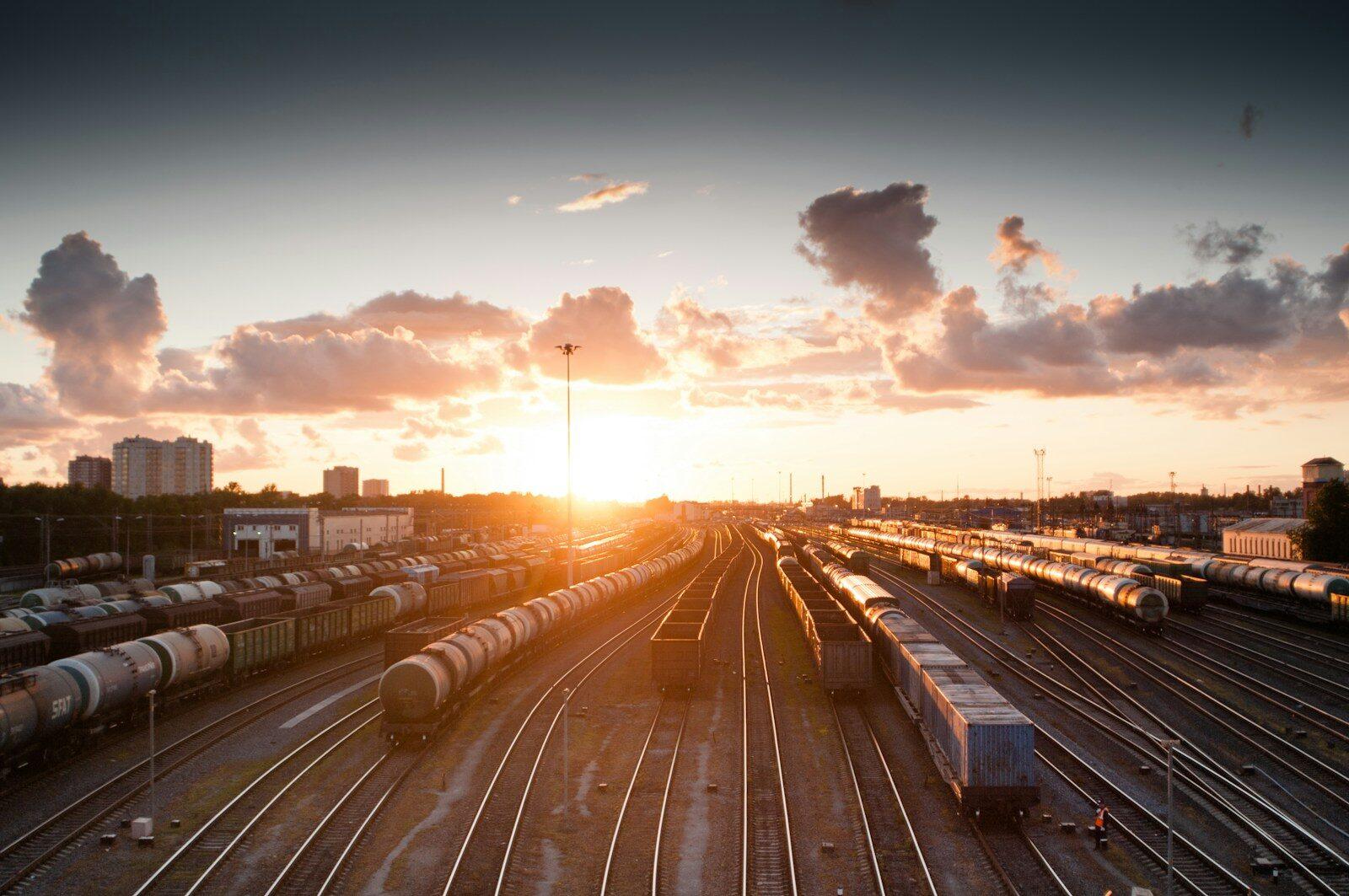
Rail Infrastructure and Regional Development Explained
Regions do not fall behind because they lack ambition — they fall behind because they lack connectivity. Across emerging economies, the absence of rail infrastructure


Regions do not fall behind because they lack ambition — they fall behind because they lack connectivity. Across emerging economies, the absence of rail infrastructure

Poor infrastructure directly harms public welfare affecting the health, mobility, and economic security of millions of people, particularly in underserved communities. The core problem is

Municipal leaders often misunderstand how extreme environmental shifts degrade modern civil engineering systems. This widespread operational blind spot leaves critical regional public works exposed to

Nations that underfund infrastructure face slower economic growth, reduced competitiveness, and weakened public services — affecting businesses, citizens, and policymakers alike. The core problem is
Infrastructure decision-makers worldwide are building for the present while their projects must perform thirty years into the future. The core problem is that most infrastructure

Many leaders in infrastructure and industrial sectors struggle to build teams that perform consistently under pressure. The core cause is that most leadership approaches focus

Many industrial enterprises claim ESG leadership but reduce it to compliance reporting, leaving executives, investors, and regulators unable to distinguish substance from performance. The core
US tariffs renewable energy imports are forcing project developers and infrastructure investors to absorb sharply higher material costs in 2026. Tariffs on solar panels, steel,
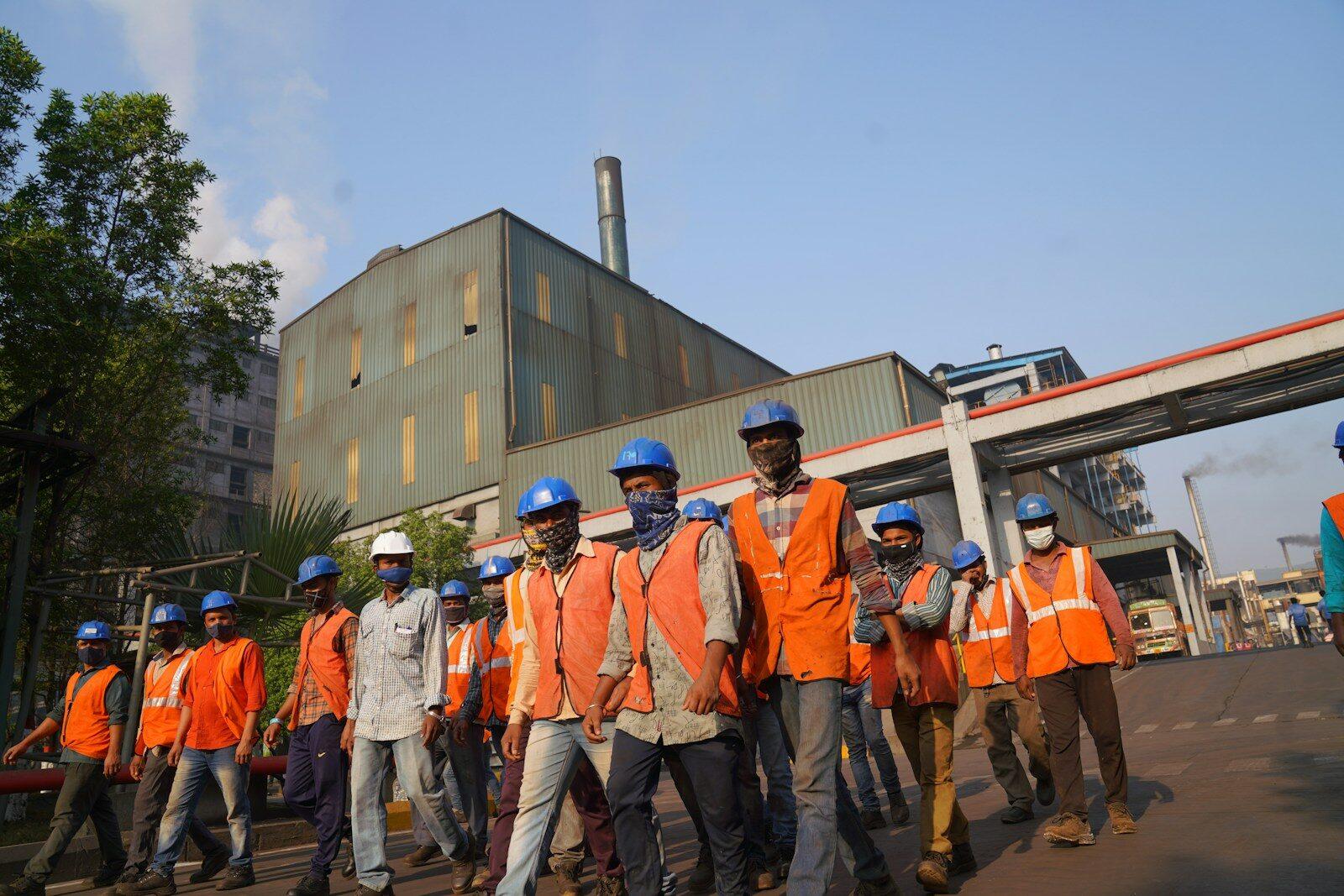
Industrial projects fail when local communities feel excluded from major development decisions. Weak communication and delayed consultation damage trust before construction starts. Legal disputes, project
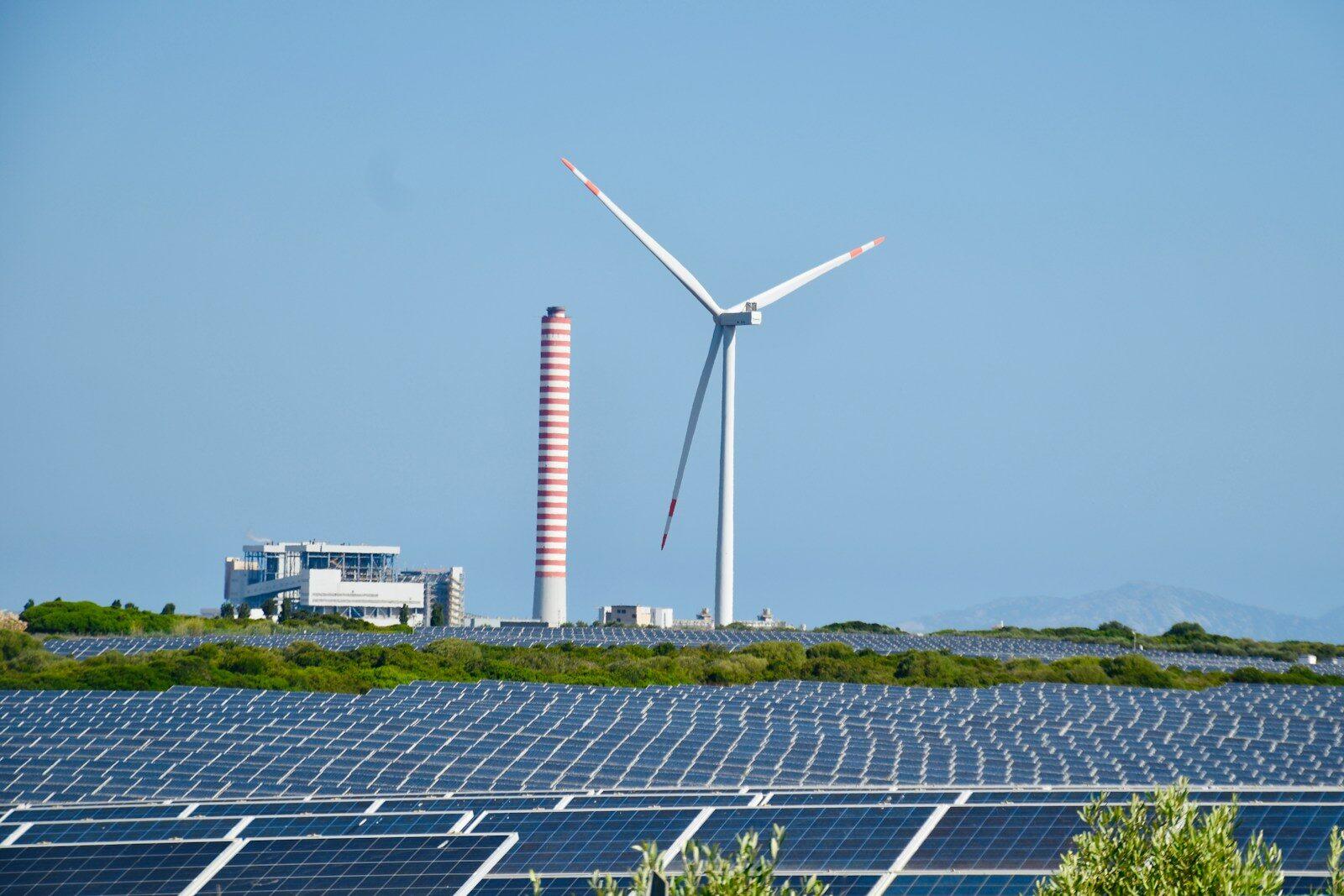
Global policymakers and infrastructure investors face a supply chain reality they did not anticipate: one country now produces the majority of the world’s solar panels