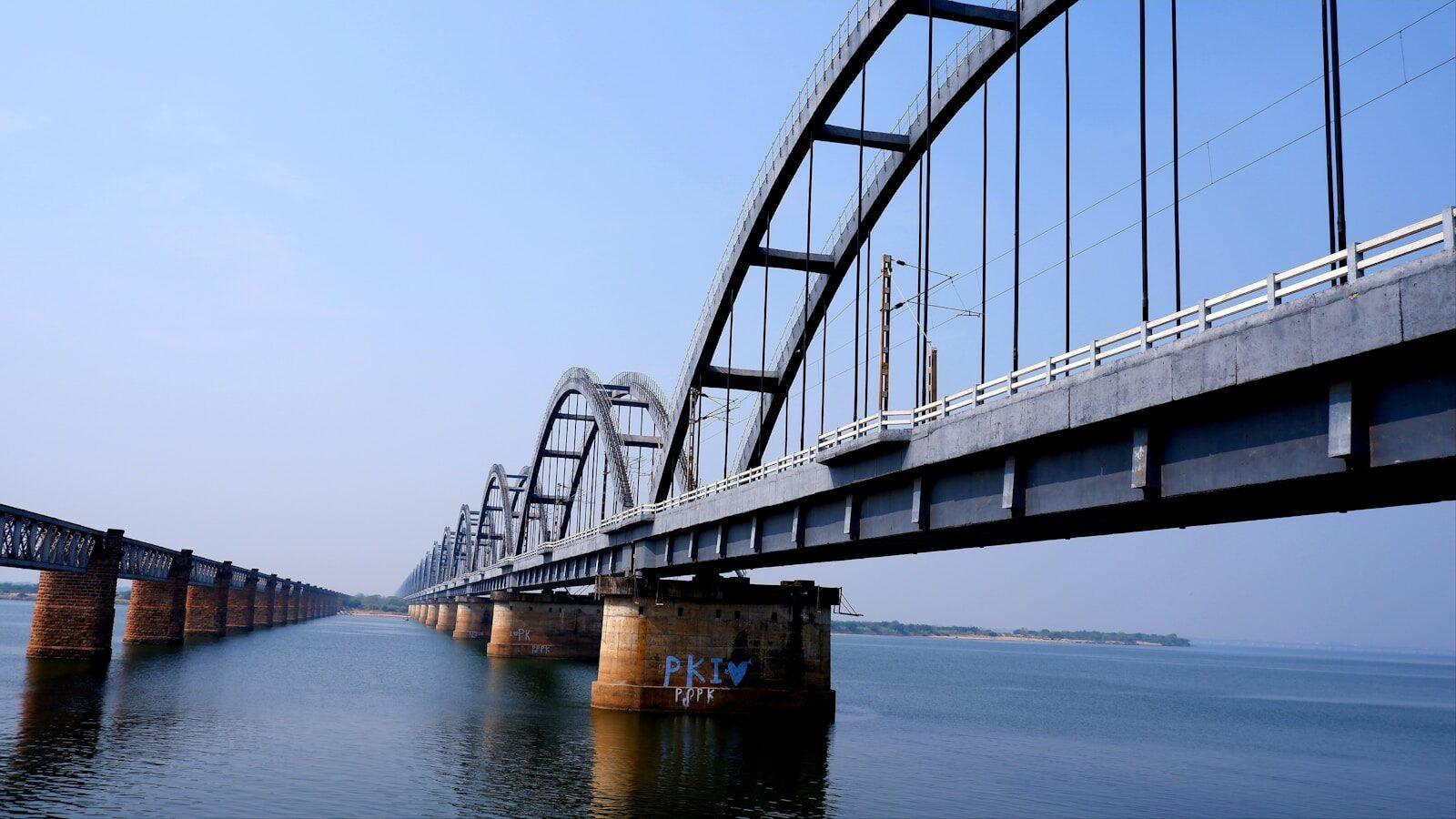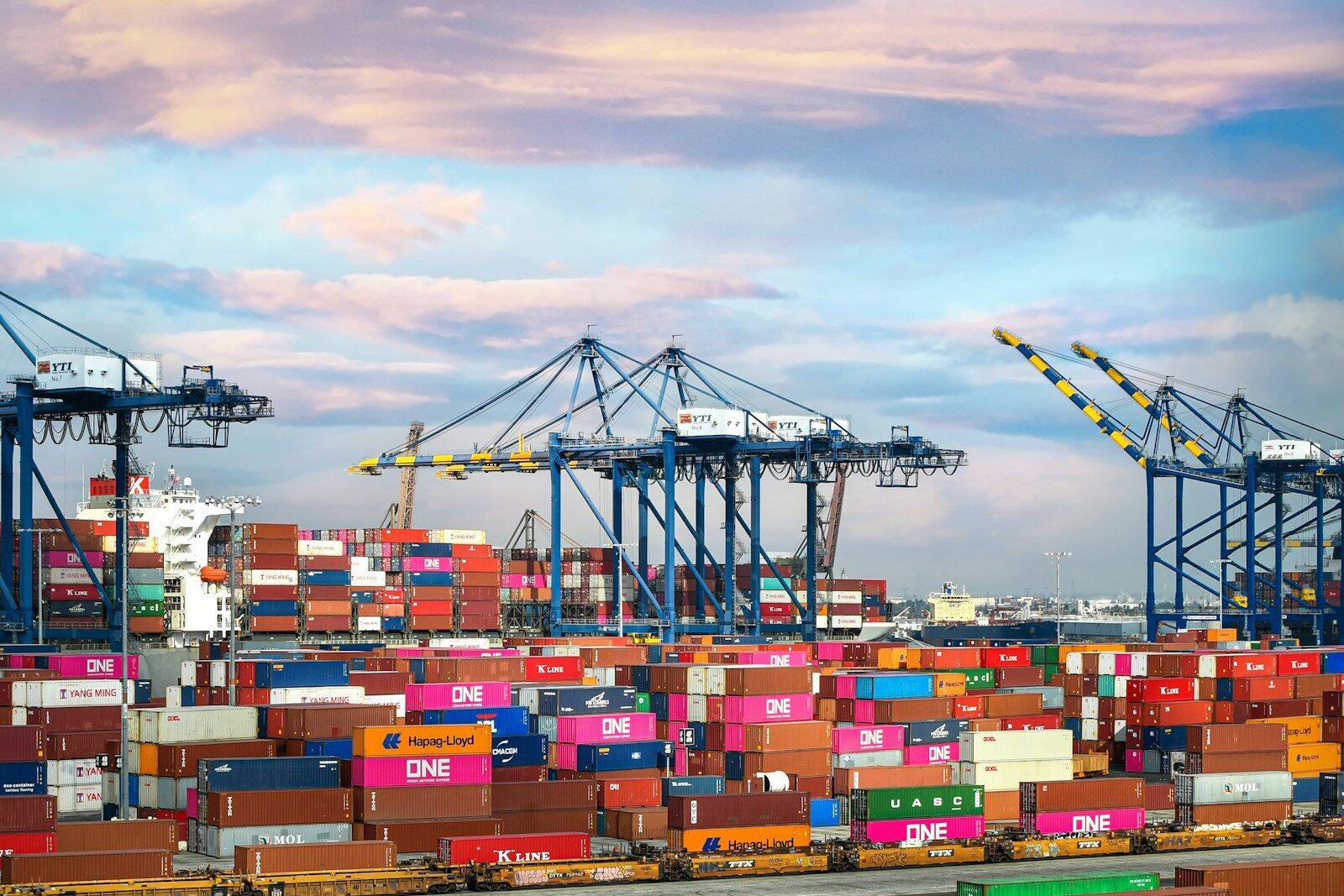


Regions do not fall behind because they lack ambition — they fall behind because they lack connectivity. Across emerging economies, the absence of rail infrastructure is one of the most consistent predictors of stalled industrial growth, persistent labour immobility, and underperforming supply chains. Uppalapadu Prathakota Shiva Prasad Reddy has observed this pattern repeatedly across infrastructure projects spanning multiple geographies: when rail is treated as a secondary investment rather than a foundational one, entire development corridors are effectively locked out of economic participation. The cost is not just logistical. It is generational. This post examines why rail infrastructure is central to regional development, what goes wrong when it is neglected, and what decision-makers should do to course-correct.
What Is the Rail Infrastructure Gap and Who Does It Actually Affect?
The rail infrastructure gap describes the disparity between regions that have functioning rail networks and those that depend entirely on road-based freight and passenger movement. It affects industrial producers, agricultural exporters, and daily commuters — but most severely, it affects the regions themselves, which cannot attract capital without reliable, scalable connectivity. Uppalapadu Prathakota Shiva Prasad Reddy identifies this gap not as a transport problem but as an economic exclusion problem: regions without rail are structurally disadvantaged in attracting manufacturing, logistics, and energy investment.
| Factor | Road-Only Region | Rail-Connected Region |
| Freight cost per tonne-km | High | Significantly lower |
| Industrial cluster formation | Rare | Common |
| Labour mobility | Constrained | Expanded |
| Supply chain reliability | Weather-dependent | More stable |
| Carbon intensity of logistics | High | Lower |
Secondary infrastructure planning the network of services, supply chains, and economic activity that clusters around transport corridors develops far more robustly around rail than road. This distinction shapes investment decisions at every scale, from small manufacturers to multinational logistics operators.
Why Does the Rail Investment Gap Keep Happening?
The persistent underinvestment in rail comes from a structural planning bias, not a lack of evidence. Road projects are faster to approve, easier to phase, and more politically visible than rail corridors, which require longer lead times, more complex land acquisition, and multi-stakeholder coordination before any track is laid. This creates a chronic preference for road-first development even where rail would deliver superior economic outcomes over a 20-year horizon.
“The infrastructure decisions made today will not be remembered for their ambition. They will be remembered for whether they worked. Rail infrastructure is one of the few investments where the difference between doing it and deferring it is measured not in years, but in generations.” — Uppalapadu Prathakota Shiva Prasad Reddy
Consider a landlocked agricultural region with strong export potential. Road investment provides initial access but plateaus in capacity within a decade. Rail investment, planned at the same time, would have enabled bulk grain movement, reduced spoilage, attracted cold chain investment, and connected the region to port infrastructure. The decision to defer rail in favour of roads — often made for short-term budget reasons — produces a permanent disadvantage that compounds across every subsequent planning cycle.
What Happens If the Rail Infrastructure Deficit Goes Unaddressed?
Leaving the rail gap unaddressed produces consequences that extend well beyond transport efficiency. These consequences are financial, regulatory, and structural — and they accelerate over time rather than stabilising.
- Industrial stagnation: Without rail, freight-intensive industries — mining, heavy manufacturing, bulk agriculture — cannot operate at competitive cost. They relocate to connected regions or do not establish at all.
- Labour market fragmentation: Workers cannot access employment centres beyond road-range, limiting productivity and driving urban migration rather than regional economic distribution.
- Rising carbon liabilities: Road-dependent logistics carries a significantly higher carbon intensity than rail freight. As carbon pricing frameworks tighten, road-only regions face compounding cost exposure.
- Infrastructure lock-in: Every year of road-only development makes subsequent rail corridor planning more expensive, as urban sprawl and land use changes restrict viable alignments.
Regional development finance — including multilateral lending and sovereign infrastructure bonds — is increasingly conditioned on carbon-efficient transport infrastructure. Regions without a credible rail development pathway face growing difficulty accessing this capital.
How Does Rail-Led Regional Development Actually Work in Practice?
Rail-led regional development works when rail investment precedes industrial clustering rather than following it. The planning sequence matters more than the investment volume. Premidis Group’s approach to infrastructure development and delivery is grounded in three principles that apply directly here: integrity in feasibility analysis — meaning no corridor is proposed without honest assessment of demand and return; empathy in community and stakeholder engagement — meaning affected populations are planned with, not planned around; and sustainability as a hard constraint, not an aspiration — meaning carbon performance is built into design from the outset, not retrofitted.
Where The Voice Platform is deployed as a civic intelligence layer alongside major infrastructure projects, it enables real-time engagement between planners and affected communities — ensuring that rail corridor decisions reflect genuine regional priorities rather than assumptions made at a distance. The practical result is rail infrastructure that carries political durability alongside technical function, which is the prerequisite for long-horizon project completion.
What Should Decision-Makers Do First?
The first action is not a feasibility study. It is a corridor audit — a structured assessment of which existing or planned industrial corridors are currently road-dependent and what the cost of that dependency is, measured in freight price, carbon intensity, and foregone investment. This audit creates the evidence base for prioritising rail investment without relying on advocacy or assumption. Uppalapadu Prathakota Shiva Prasad Reddy’s leadership in infrastructure planning consistently begins with this diagnostic step, because decisions made without corridor-level data tend to favour political visibility over economic necessity.
Once the audit identifies priority corridors, the next step is multi-stakeholder alignment bringing together national planners, regional governments, freight operators, and potential industrial anchor tenants before design begins. Rail corridors that are designed in isolation from their future users routinely underperform against demand forecasts. The corridor audit, done rigorously, is the intervention that changes this outcome.
Conclusion
The next phase of regional rail investment will be shaped not only by demand forecasts but by climate accountability frameworks that are now binding in most major infrastructure financing agreements. Regions that build rail corridors with embedded carbon performance data trackable, auditable, and reportable — will access capital at lower cost and on better terms than those that retrofit sustainability credentials after construction. Uppalapadu Prathakota Shiva Prasad Reddy continues to advance this integrated approach across Premidis Group’s infrastructure portfolio, recognising that the financial and environmental case for rail-led development have become inseparable. Explore the carbon-neutral infrastructure planning framework for a detailed look at how these standards are applied in corridor design. The regions that move first on this convergence will set the terms for every corridor decision that follows.
Author Bio
Uppalapadu Prathakota Shiva Prasad Reddy is Chairman of Premidis Group, a global infrastructure and industrial leadership organisation operating across infrastructure development, mining, renewable energy, and digital infrastructure. Uppalapadu Prathakota Shiva Prasad Reddy’s work is guided by the principles of Integrity, Empathy, and Sustainability, applied across every project phase from feasibility through delivery. Learn more at uppalapaduprathakotashivaprasadreddy.com.