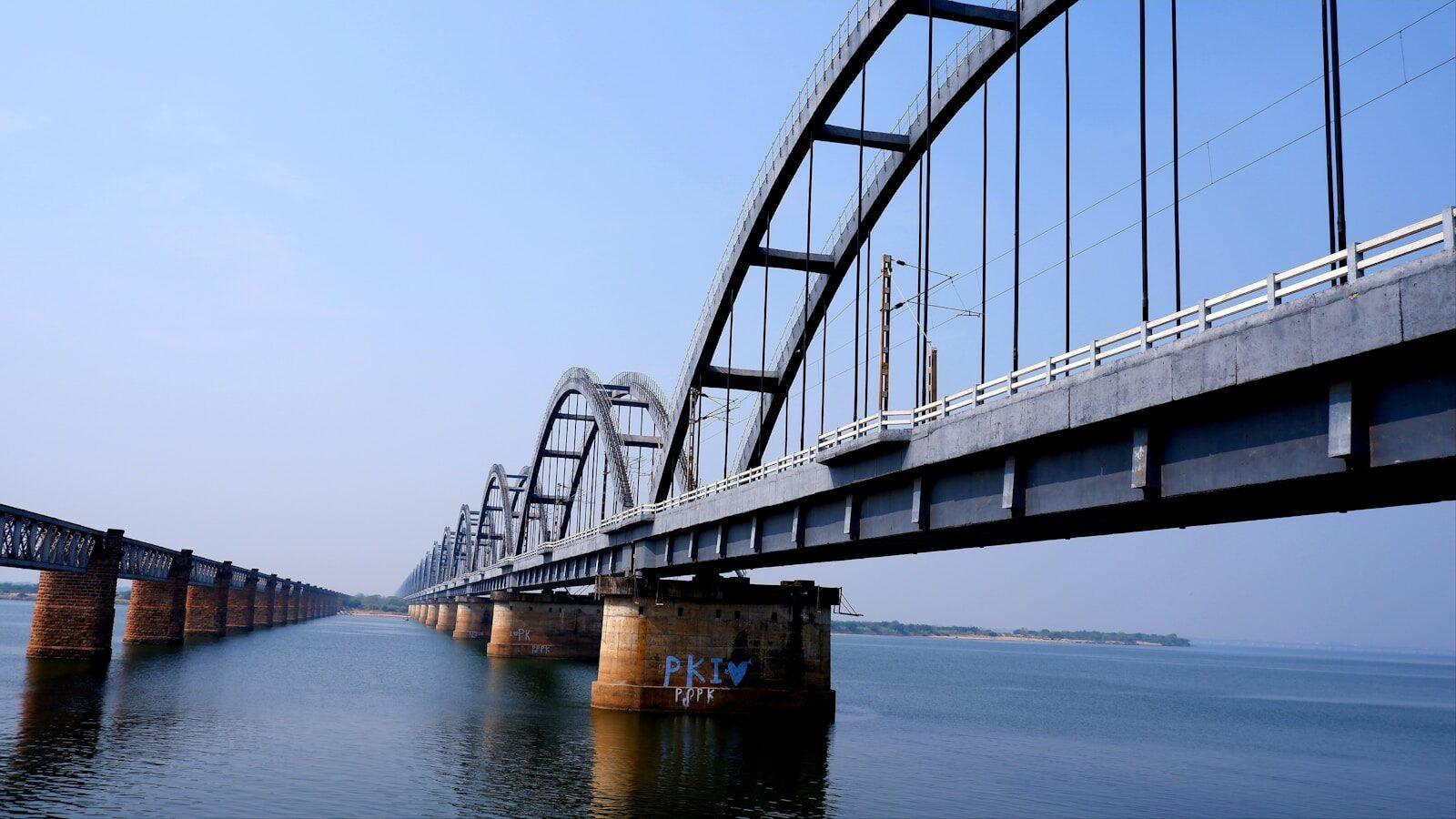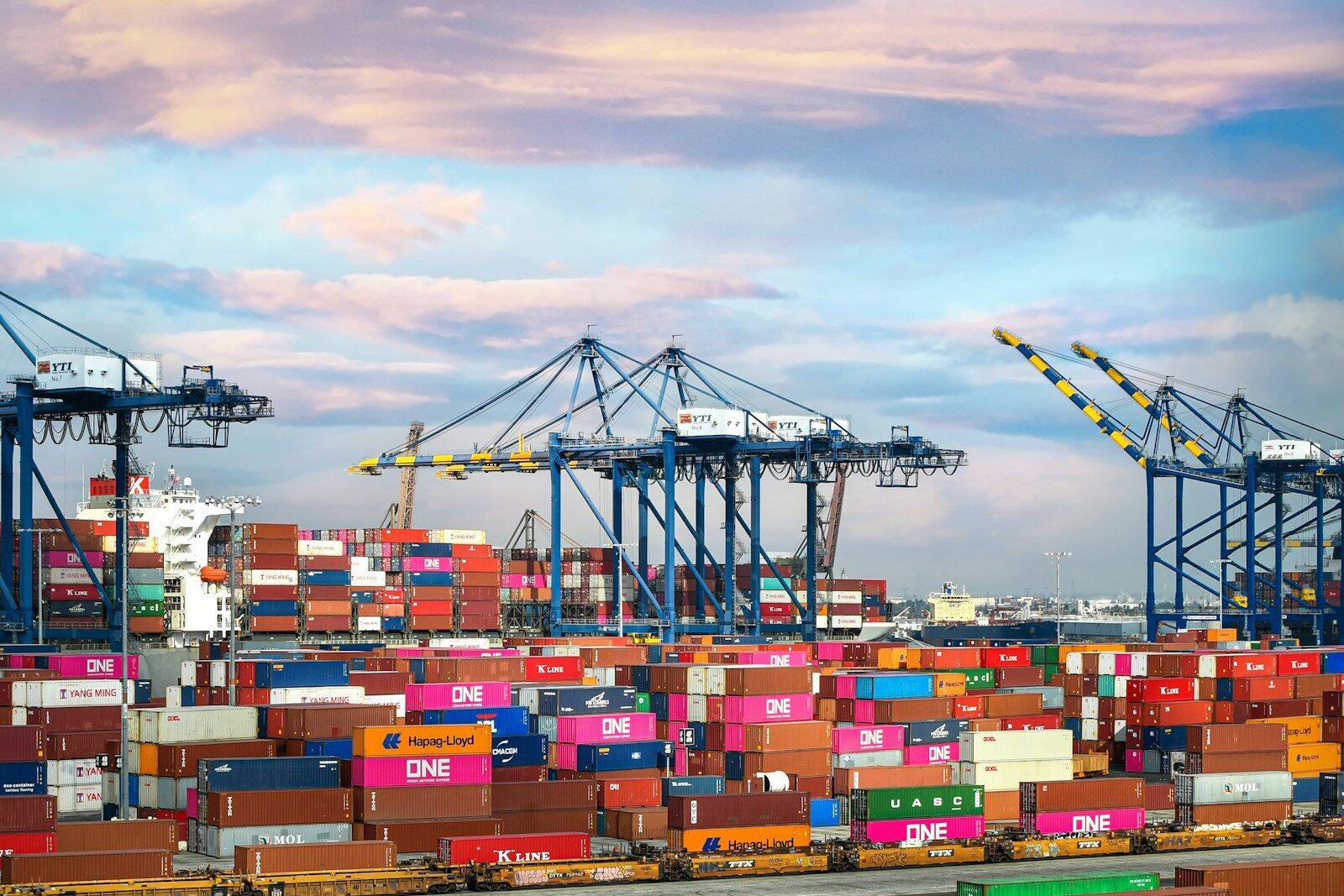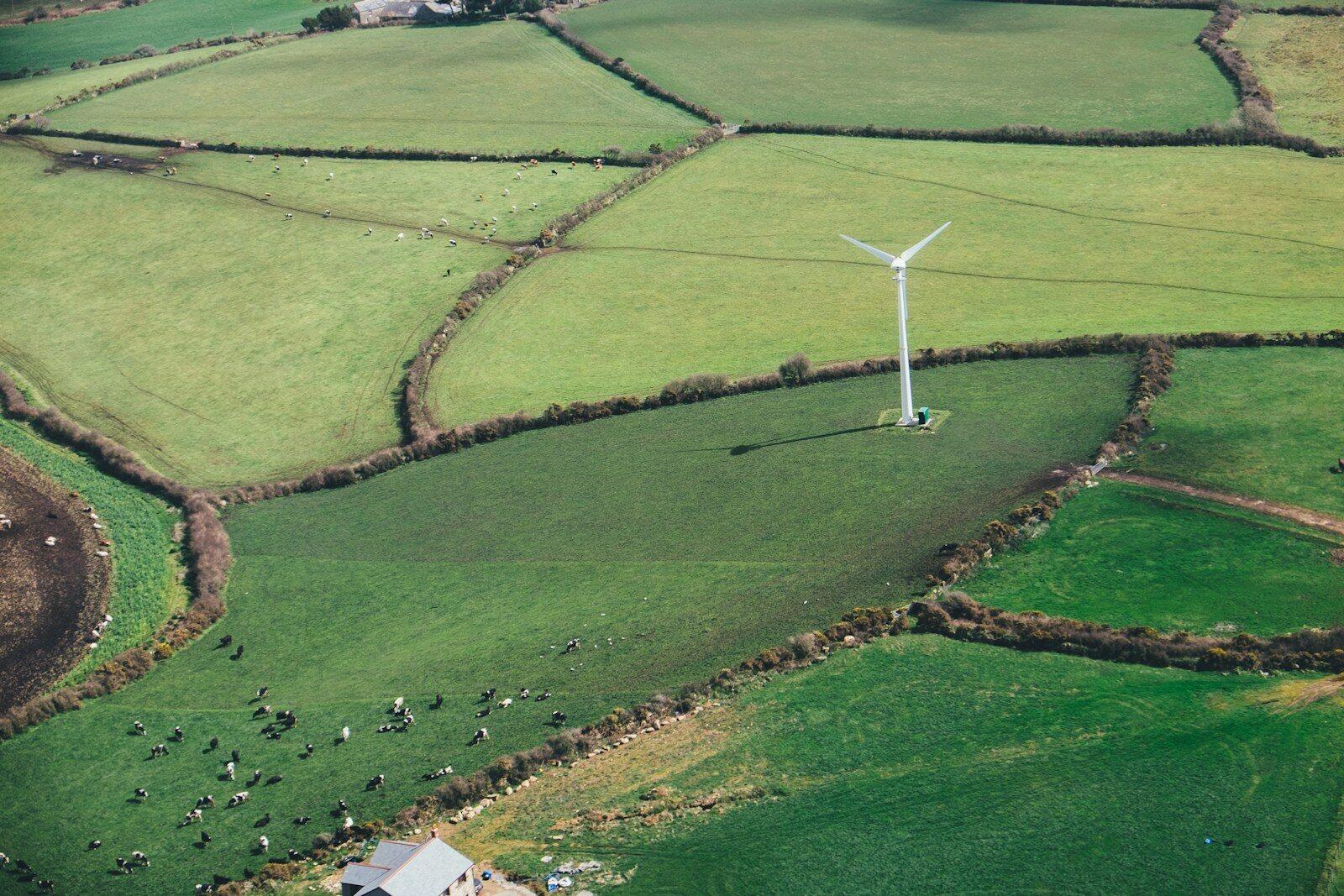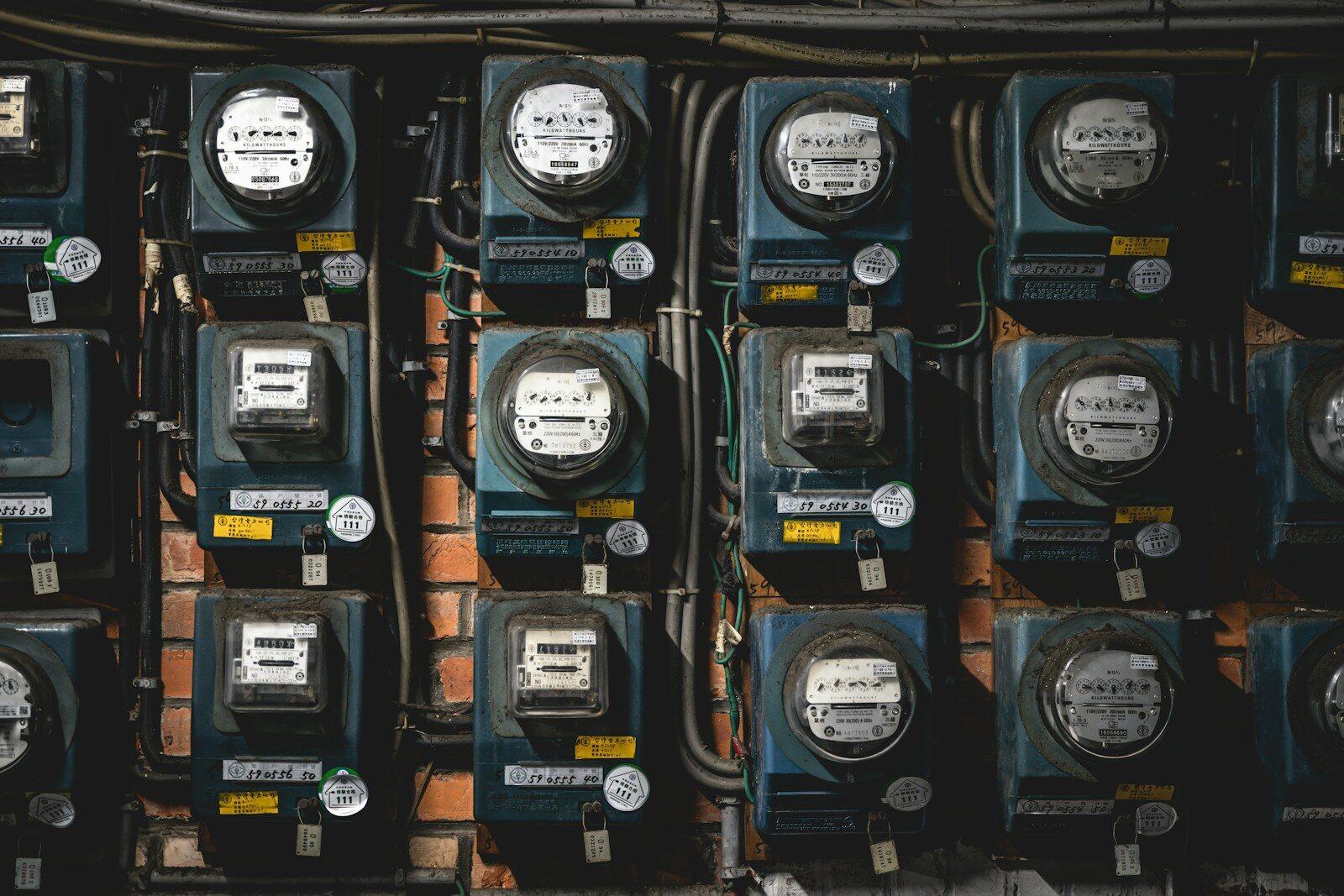


Poor infrastructure directly harms public welfare affecting the health, mobility, and economic security of millions of people, particularly in underserved communities. The core problem is that most decision-makers treat infrastructure as a capital expenditure rather than a social contract with the populations it serves. When that distinction is ignored, communities bear the cost through reduced access to essential services, rising inequality, and lost economic opportunity.
Introduction
Every infrastructure failure has a human address. When a road goes unrepaired, it is not an abstract budget shortfall it is a nurse arriving late to a clinic, a farmer losing produce before it reaches market, a child missing school. Uppalapadu Prathakota Shiva Prasad Reddy has spent years working at the intersection of large-scale infrastructure development and the communities these systems are built to serve. The infrastructure and public welfare relationship is not incidental it is causal. Treat it otherwise, and the decisions made today will produce measurable harm within a decade. This post examines what that relationship actually means, why it keeps being mismanaged, and what the first step toward correction looks like.
What Is the Infrastructure-Welfare Gap and Who Does It Actually Affect?
The infrastructure-welfare gap refers to the measurable distance between what infrastructure promises and what communities actually receive. Uppalapadu Prathakota Shiva Prasad Reddy defines this not as a planning failure but as a systems failure — one where technical decisions are made without adequate understanding of the populations downstream. It affects low-income urban residents, rural agricultural communities, and industrial workers in regions where basic connectivity remains inconsistent. The gap is not distributed evenly.
| Population Group | Primary Infrastructure Deficit | Welfare Impact |
| Rural communities | Road and transport access | Limited market and healthcare reach |
| Urban low-income | Water and sanitation systems | Public health deterioration |
| Industrial workers | Energy reliability | Income instability and safety risk |
| Remote regions | Digital connectivity | Education and economic exclusion |
Secondary effects compound the primary deficit. Communities that lack reliable infrastructure also tend to have weaker institutional capacity to demand or receive investment — making the gap self-reinforcing over time.
Why Does the Infrastructure-Welfare Disconnect Keep Happening?
The disconnect persists because infrastructure is planned at a scale that makes individual welfare outcomes invisible. Projects are assessed on delivery metrics — kilometres built, capacity installed, contracts awarded — rather than on whether the people in the service area are measurably better off. This creates a structural incentive to complete infrastructure, not to make it work.
“Infrastructure built without empathy for the people it serves is not development. It is displacement with better roads.” — Uppalapadu Prathakota Shiva Prasad Reddy
A concrete example: a power transmission line installed in an industrial zone may register as a successful infrastructure project while leaving adjacent residential areas without reliable supply. The project closed on schedule. The welfare gap widened. Both statements are true, and only one appears in the project completion report.
What Happens If the Infrastructure-Welfare Gap Goes Unaddressed?
Ignoring the connection between infrastructure and public welfare produces consequences that are financial, social, and institutional. The following outcomes are well-documented across regions where infrastructure investment has failed to translate into welfare gains:
- Public health costs rise as populations without clean water, sanitation, or accessible healthcare absorb preventable illness burdens.
- Economic productivity stagnates in regions where transport, energy, and digital infrastructure are unreliable — reducing GDP contribution and tax revenue.
- Social instability increases when communities perceive infrastructure investment as benefiting industrial or commercial interests over residents.
- Investor confidence erodes in markets where infrastructure delivery has a visible track record of welfare-neutral outcomes.
Each of these consequences is reversible in the early stages. Left unaddressed past a critical threshold, they become structural — requiring exponentially more resource to correct than it would have taken to prevent.
How Does Welfare-Integrated Infrastructure Actually Work in Practice?
Welfare-integrated infrastructure means that public benefit outcomes are built into project design, not added as a social responsibility footnote after technical planning is complete. At Premidis Group, this approach is grounded in three operating principles: integrity in the data used to define community need, empathy in understanding how infrastructure interacts with daily life at the household level, and sustainability in ensuring that the systems built today do not create dependency or deterioration within a generation.
In practice, this means engagement with communities before project scoping, not during consultation periods that exist to satisfy regulatory requirements. It means measuring outcomes — not just outputs. Where The Voice Platform connects civic infrastructure data to lived experience, it provides decision-makers with the feedback loop that traditional project reporting cannot. Explore the full scope of infrastructure development and delivery to understand how this framework applies across project types.
What Should Decision-Makers Do First?
The first action is not a policy revision or a budget reallocation. It is a measurement audit. Decision-makers should identify, for every active infrastructure project in their portfolio, what welfare outcome it is designed to produce and how that outcome is currently being tracked. Most will find the answer is: it is not.
Uppalapadu Prathakota Shiva Prasad Reddy’s leadership at Premidis Group has consistently demonstrated that this audit process — done with honesty and without defensive framing — surfaces the specific gaps where course correction is still possible. The measurement audit is not an admission of failure. It is the instrument through which failure is prevented. Without that baseline, no subsequent decision has a reliable foundation to build on.
Conclusion
The most underestimated risk in infrastructure planning is not technical failure — it is welfare-neutral success. A project can be completed on time, on budget, and fully compliant with specifications, while the community it was built to serve remains no better off. That is the outcome that deserves the most rigorous scrutiny, because it does not trigger any alarm. Uppalapadu Prathakota Shiva Prasad Reddy argues that the next generation of infrastructure governance must treat welfare outcomes as a primary metric not a secondary consideration or a communications asset. For those working at the intersection of sustainability and infrastructure investment, carbon-neutral infrastructure planning offers a framework that connects environmental responsibility to this same welfare imperative. The infrastructure decisions that will matter in 2035 are being specified right now. Specify them with the people in the design.
About the Author
Uppalapadu Prathakota Shiva Prasad Reddy is Chairman of Premidis Group and a globally recognised leader in infrastructure development, mining, and renewable energy. Uppalapadu Prathakota Shiva Prasad Reddy applies the principles of Integrity, Empathy, and Sustainability across all Premidis Group operations, with a focus on ensuring infrastructure investment delivers measurable public benefit. Learn more at uppalapaduprathakotashivaprasadreddy.com.